
Indonesia Eyes Nationwide Work-From-Home Policy to Cut Fuel Use Amid Oil Price Surge
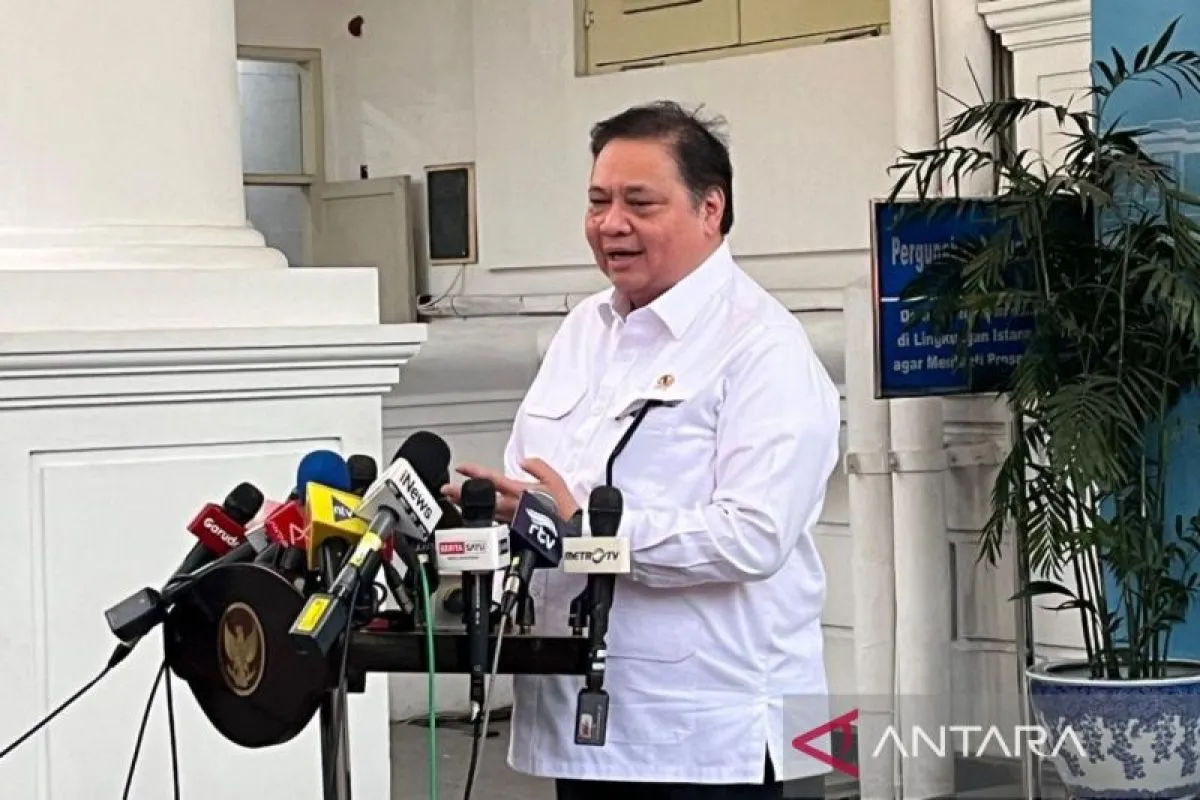
Jakarta says remote work could begin after Eid as energy costs rise and global tensions persist
Indonesia is preparing a nationwide work-from-home policy to reduce fuel consumption as global oil prices remain under pressure from geopolitical instability. The government says the move is aimed at improving energy efficiency and limiting the economic impact of higher fuel costs.
Government is finalizing a remote work plan
Coordinating Minister for Economic Affairs Airlangga Hartarto said the government is completing a flexible work arrangement that would allow one day of remote work in a five-day workweek. He said the plan would apply to civil servants, regional government employees, and the private sector.
Airlangga said the policy is being prepared because high oil prices require greater efficiency in working hours and daily mobility. President Prabowo Subianto has also backed the idea, according to current reporting.
Rollout is expected after the Eid holidays
Officials said implementation is scheduled for after the Eid al-Fitr holidays, although the final start date and technical rules are still being drafted by relevant ministries. The duration of the policy will depend on how oil prices and international conflicts develop.
This comes after Indonesia had already introduced a temporary Work From Anywhere arrangement around the Eid travel period earlier in 2026 to ease congestion during the holiday exodus.
Fuel savings are the main goal
Prabowo said reducing daily travel could cut fuel spending by around 20 percent, making the proposed remote work scheme part of a broader national energy-saving response. He has publicly urged the cabinet to take proactive steps to lower fuel use rather than assume Indonesia is insulated from global shocks.
Energy Minister Bahlil Lahadalia had also said earlier that the government was reviewing remote work as one of several options to curb fuel demand and reduce vulnerability to oil supply disruptions tied to Middle East tensions.
Policy is tied to a wider economic risk response
The remote work proposal is part of a larger effort to keep Indonesia’s budget and growth outlook stable if oil prices stay high. Officials have already modeled multiple fiscal stress scenarios linked to a prolonged conflict and higher energy costs.
That means the WFH plan is not only a labor arrangement. It is also an economic mitigation tool designed to help reduce pressure on fuel imports, subsidies, and household costs if global energy turbulence continues.
Why the move matters
If implemented nationwide, the plan would affect both public administration and private sector work culture across Indonesia. For workers, it could mean more flexibility. For the government, it is a quick way to reduce commuting and fuel use without immediately cutting major development programs.
For Indonesians, the bigger question will be whether the policy is temporary crisis management or the start of a more permanent shift in work patterns. For Singaporeans, the development matters because Indonesia’s response to energy shocks can influence regional business operations, commuting patterns, and broader economic stability in Southeast Asia.
Indonesia’s proposed nationwide work-from-home scheme shows how seriously Jakarta is treating the oil price shock. The policy is being framed as a practical way to save fuel, reduce costs, and buy time while the government watches global conditions. Whether it becomes a short-term emergency measure or something more lasting will depend on how long the energy pressure continues.
Sources: EN Antara (2026) , Website Polri (2026)
Keywords: Indonesia WFH policy, Airlangga Hartarto, fuel-saving work from home, Indonesia oil price response, Prabowo remote work plan, post-Eid WFH Indonesia