
Indonesia Energy Security: Bahlil Says Fuel Stock Is Capped by Storage Capacity
Minister cites 22 to 23 days on hand, targets three-month reserves
With the Strait of Hormuz in focus, Indonesia is confronting a hard reality: storage capacity can be as critical as supply.
Why “20 Days” Triggered Public Concern
Indonesia’s fuel reserve debate intensified after reports that the Strait of Hormuz, a major global oil shipping route, was closed, raising fears of supply disruptions. The concern grew after Pertamina noted that about 19% of Indonesia’s oil imports come from the Middle East and transit the Strait of Hormuz.
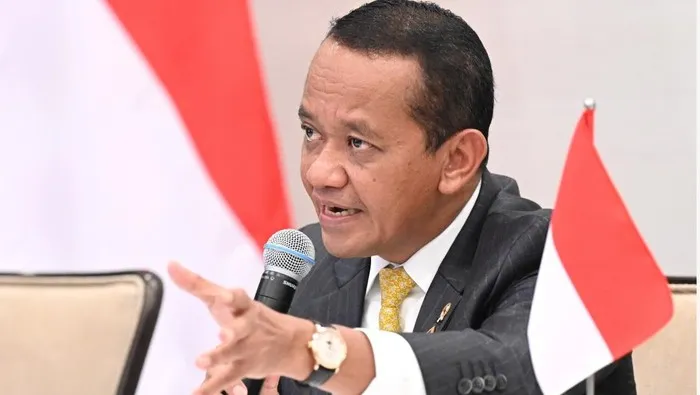
Against that backdrop, Energy and Mineral Resources Minister Bahlil Lahadalia addressed public anxiety over claims that Indonesia’s fuel stock sits at only around 20 days, a number that can sound dangerously thin during geopolitical shocks.
Bahlil: The Limit Is Storage, Not a Sudden Shortfall
Speaking at the Presidential Palace complex in Jakarta on March 4, 2026, Bahlil said the “20 days” figure reflects long-standing domestic storage limits, not a new inability to prepare. He explained that Indonesia’s fuel storage capacity has historically been about 21 to 25 days, with a national minimum commonly referenced at 20 to 21 days and a maximum around 25 days, simply because storage space is finite.
Current Stock Reported at 22 to 23 Days
Bahlil added that, based on a Pertamina update, Indonesia’s fuel stock had reached about 22 to 23 days at the time of his remarks. He stressed that building reserves beyond roughly 25 days is not just a budget question, but a physical constraint: if additional supply is procured, it still needs storage tanks and infrastructure to hold it safely.
Prabowo Orders Expansion to Reach a Three-Month Buffer
To strengthen resilience, Bahlil said President Prabowo Subianto has instructed the government to build additional fuel storage infrastructure. The stated target is to expand capacity so Indonesia can hold roughly three months, or about 90 days, of fuel stock.
Bahlil described that three-month level as a minimum global-consensus benchmark, signaling a policy push to reduce vulnerability to disruptions affecting shipping lanes, regional conflict, or sudden market volatility.
What This Means for Indonesia and the Region
In the short term, limited storage means Indonesia’s energy security is more sensitive to prolonged disruptions, not just price spikes, especially when import routes face uncertainty. In the long term, expanding storage could materially improve crisis readiness, reduce panic during shocks, and give policymakers more room to manage distribution and pricing pressures when global supply chains tighten.
This also matters beyond Indonesia’s borders: Singapore and Indonesia share deeply connected trade, logistics, and maritime routes, and any sustained Middle East disruption can ripple into regional freight costs and energy-linked inflation. A stronger Indonesian fuel buffer supports stability for cross-border supply chains, especially in major corridors linked to Batam and Singapore’s wider shipping ecosystem.
Indonesia’s “20 days of fuel” headline is, according to Bahlil, primarily a storage-capacity issue rather than an immediate supply collapse, with current stock cited at 22 to 23 days. The bigger story is the government’s push to expand storage toward a three-month reserve, a shift that could strengthen national resilience during global shocks. For Indonesians, the payoff is clearer: more time to respond when imports face disruption. For Singaporeans, a more energy-secure Indonesia can help steady regional trade flows, reduce spillover volatility, and support a more predictable operating environment in Southeast Asia.
Sources: CNBC Indonesia (2026) , Detik (2026)
Keywords: Indonesia Fuel Stock, BBM Storage Capacity, Strait Of Hormuz Closure, Pertamina Imports, Energy Security Plan, Strategic Fuel Reserves