
Indonesia-Denmark Collaborate to Strengthen Animal Feed Quality and Safety Assurance
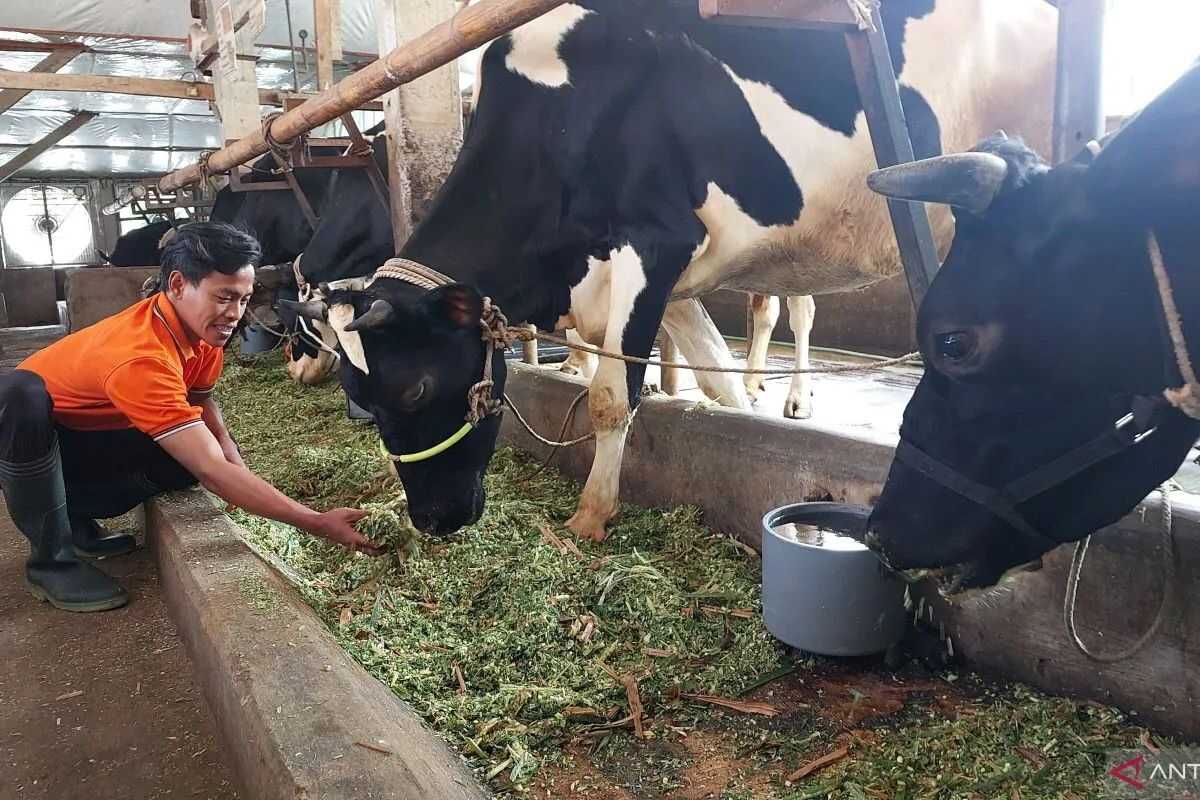
Jakarta (ANTARA) - The Government of the Republic of Indonesia and Denmark are building a collaboration to strengthen the national animal feed quality assurance and safety system, with the aim of protecting livestock farmers whilst enhancing the competitiveness of domestic livestock products.
“This step is important because feed quality greatly determines livestock productivity, production cost efficiency, and the safety of animal-derived food products,” said the Head of the Indonesian Delegation from the Ministry of Agriculture’s Directorate of Feed, Sapta, in a statement in Jakarta on Wednesday.
The Directorate General of Livestock and Animal Health at the Ministry of Agriculture, through its Directorate of Feed and the Feed Quality Testing and Certification Centre (BPMSP), is strengthening institutional capacity through international technical cooperation with the Danish Veterinary Food Agriculture and Fishery Agency (DVFAFA) in Copenhagen, Denmark.
“The primary focus of this activity is to improve the feed supervision system to make it more modern, transparent, and risk-based,” said Sapta.
According to Sapta, lessons from the international arena serve as an important reference for refining national regulations. His team observed how risk-based approaches are applied consistently, from regulation through to field-level supervision.
“We will adapt these good practices to suit the needs and characteristics of Indonesia’s livestock subsector,” said Sapta.
The Ministry of Agriculture affirmed that strengthening the feed supervision system is not merely a regulatory agenda but a concrete effort to protect farmers from losses caused by low-quality or contaminated feed.
With a stricter monitoring system, Sapta continued, farmers can expect assurance that feed in circulation meets safety and quality standards. This directly impacts improved livestock performance, reduced disease rates, better feed conversion efficiency, and increased milk and meat production.