
Indonesia Crafts Economic Stimulus Package to Shield Exports from US Tariffs
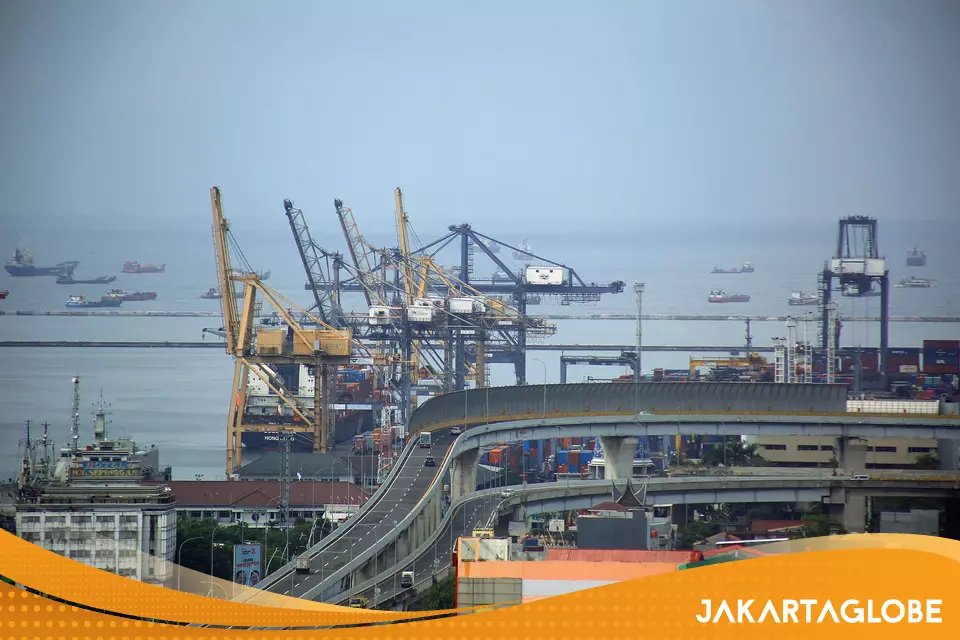
Jakarta. Indonesia is crafting an economic stimulus package to shield its export-driven economy from retaliatory tariffs imposed by US President Donald Trump, as trade tensions between the two nations threaten to disrupt investment and job-heavy industries.
Chief Economic Affairs Airlangga Hartarto said on Friday that the government is working on a comprehensive policy response to cushion domestic businesses from the impact of higher US tariffs, which could push duties on Indonesian exports. The package includes easing import licensing through the Online Single Submission (OSS) system, streamlining tax and customs services, adjusting import quotas, and enacting reforms in the financial sector.
The government is also in talks with Bank Indonesia and the Financial Services Authority (OJK) to address issues related to payment systems, an area raised during trade discussions with Washington.
“We are coordinating closely with OJK and BI, especially on payment requirements requested by the US side,” Airlangga said during a virtual press conference.
Indonesia is among the first countries officially invited by the US to enter formal tariff negotiations following Trump’s April 2 announcement of additional duties on several trading partners. The two nations have agreed to a 60-day window to finalise a cooperation framework.
The US has delayed the implementation of a 32 per cent reciprocal tariff on Indonesian products until June 9, applying only a temporary 10 per cent baseline tariff in the interim.
Textile exports, Indonesia’s labour-intensive and high-volume sector, normally face US duties ranging from 10 per cent to 37 per cent. With the additional 10 per cent baseline tariff, effective rates could climb as high as 47 per cent, Airlangga warned. Domestically, the sector is already under strain from cheap Chinese imports and weakening demand, which have forced many factories to close and led to the layoff of thousands of workers.
“This significantly raises export costs. US buyers are asking our exporters to split the tariff burden, meaning the impact is not limited to US importers,” he said.
Indonesia is pushing for equal treatment, especially compared to regional competitors in ASEAN. Products most affected include garments, footwear, textiles, furniture, and shrimp. The government is seeking US concessions on 20 priority export products in return for balanced tariff treatment.
As part of the negotiation strategy, Indonesia plans to boost imports of US energy and agricultural commodities, including LPG, crude oil, wheat, and soybeans, and is considering reducing value-added tax on certain American goods. Other measures include easing local content requirements for telecommunications, expediting halal certification, and offering fiscal and non-fiscal incentives to stimulate trade.
“These initiatives are part of a broader push to maintain competitiveness while promoting a fairer trading relationship,” Airlangga said.
Mari Elka Pangestu, deputy chair of the National Economic Council, said the stimulus package is also aimed at protecting vulnerable industries and preventing job losses. The government plans to establish a task force to respond to potential layoffs resulting from trade disruptions.
“The next 30 to 60 days will be critical. We’re still in active negotiations,” Mari concluded.