
Indonesia can strengthen new energy sovereignty amid global crisis
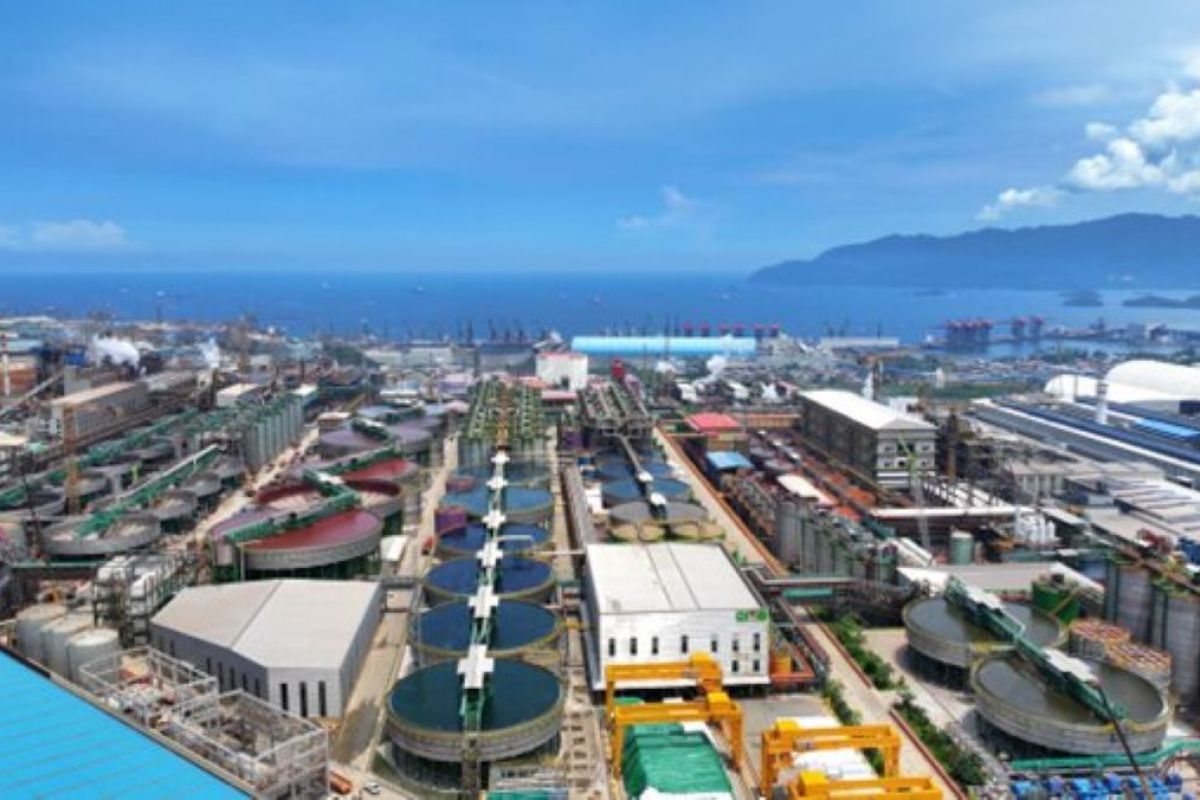
With the resources it possesses, investor support, and continuously advancing processing technology capabilities, Indonesia is currently in a highly strategic position in the global EV supply chain. Jakarta (ANTARA) - Indonesia is assessed to be able to strengthen the direction of its energy transformation through the development of a national battery ecosystem based on nickel downstreaming amid global oil price pressures and uncertainties in fuel oil (BBM) supply. This momentum marks a strategic shift from dependence on fossil energy towards strengthening battery sovereignty or new energy sovereignty. The volatile global energy situation is seen to further reinforce the urgency of building a nickel-based electric vehicle (EV) supply chain in Indonesia. Head of External Relations for the Indonesian Nickel Industry Forum (FINI), Mordekhai Aruan, in a statement in Jakarta on Monday, said that this need has actually been a priority in recent years. Indonesia, previously known as an exporter of raw materials, is now continuously moving towards strengthening value-added industries through downstreaming. Nickel is no longer just a mining commodity but has developed into a strategic material for the global battery and electric vehicle industry. In line with the government’s policy direction, the four priorities in President Prabowo Subianto’s Astacita, as conveyed by the Minister of Energy and Mineral Resources (ESDM) Bahlil Lahadalia, include food self-sufficiency, energy self-sufficiency, nutritious food, and industrial downstreaming. Nickel downstreaming becomes an important foundation in building an integrated national battery ecosystem from upstream to downstream. This approach strengthens Indonesia’s bargaining position in the global supply chain while opening opportunities for creating domestic economic value addition. In the global context, FINI assesses that Indonesia now occupies a highly strategic position in the world’s electric vehicle supply chain. “With the resources it possesses, investor support, and continuously advancing processing technology capabilities, Indonesia is currently in a highly strategic position in the global EV supply chain,” said Mordekhai. Amid the strengthening of this ecosystem, PT QMB New Energy Materials, a subsidiary of GEM Co. Ltd., is also playing a role in helping the government strengthen the national battery material supply chain. The production of mixed hydroxide precipitate (MHP) with a capacity of 150,000 tonnes per year becomes one of the important pillars. In addition, the consortium also produces around 30,000 tonnes of NCM sulphates and 50,000 tonnes of precursor per year, which are the main components in the production of electric vehicle battery cathodes. According to FINI, the current industrial development focus is no longer solely on increasing smelter capacity but on strengthening the end-to-end ecosystem. “The next challenge is to encourage investment to create an end-to-end nickel ore processing ecosystem, from upstream to downstream,” said Mordekhai. With an increasingly integrated industrial structure, Indonesia not only strengthens national energy resilience but also asserts steps towards new energy sovereignty based on batteries. Previously, Minister of ESDM Bahlil Lahadalia emphasised that high energy consumption, especially from fossil sources, is driving the government to increasingly seriously accelerate the development of the national electric vehicle ecosystem as a step towards a clean energy transition. He mentioned that these efforts are being carried out through industrial strengthening, provision of supporting infrastructure, and the provision of incentives to expand the integrated adoption of electric vehicles while strengthening energy independence.