
Indonesia builds global seaweed research hub in East Lombok
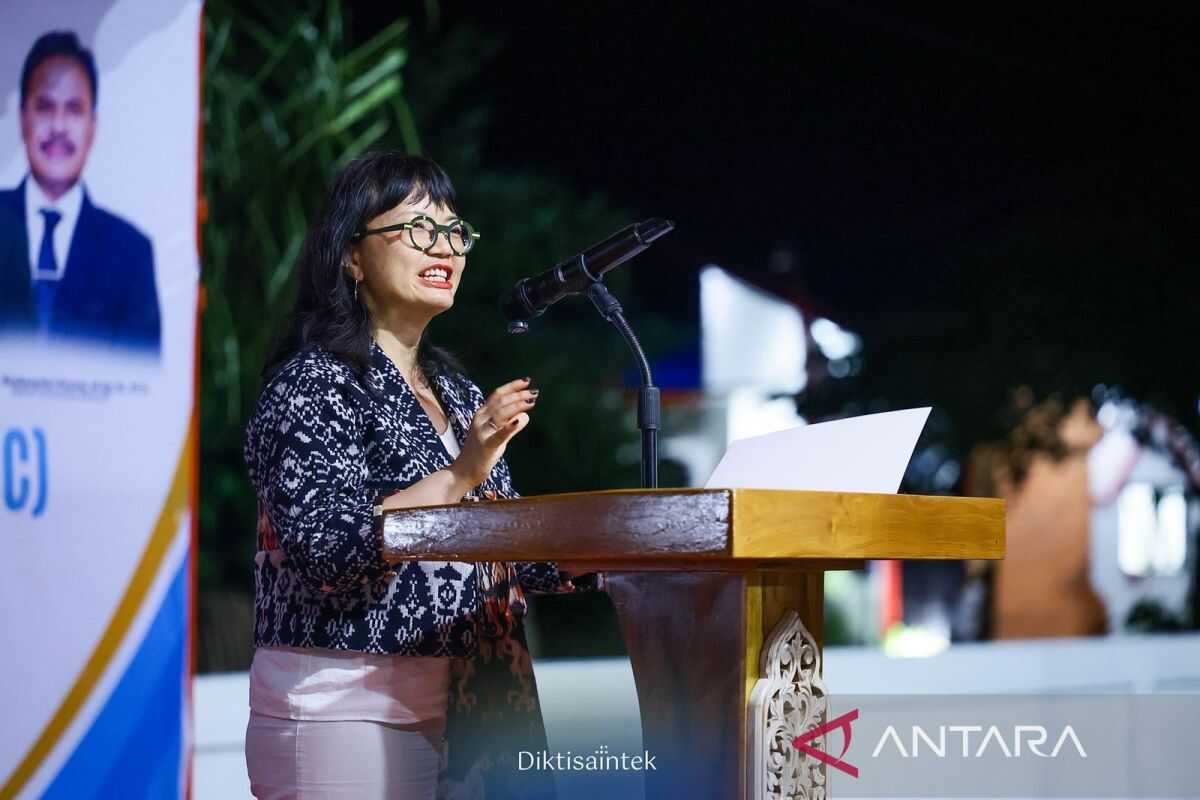
Jakarta (ANTARA) - Indonesia is building an International Tropical Seaweed Research Center (ITSRC) in Ekas Bay, East Lombok, West Nusa Tenggara, as part of a national push to become a global hub for seaweed research and downstream innovation, a senior official said. Deputy Minister of Higher Education, Science and Technology Stella Christie said strengthening seaweed research is central to Indonesia’s national strategy and coastal economic transformation. “Our major focus in recent months has been to position Indonesia as the world’s seaweed center, and that must start now. We are establishing an international-standard research center with global networks,” she said in a statement on Saturday. Christie said Ekas Bay was chosen because it has long supported coastal communities through aquaculture and capture fisheries activities. The center is expected to improve harvest yields and cultivation quality through research-based superior seaweed seedlings. Indonesia is currently the world’s largest producer of tropical seaweed, accounting for around 75 percent of global supply, she said. The global seaweed industry is valued at about US$12 billion annually and is projected to continue growing. However, Christie noted Indonesia’s dominance in production has not been matched by sufficient domestic research capacity and downstream processing. She stressed the country must move beyond exporting raw materials and instead become a center of innovation and value-added products. The ITSRC is designed as a national and international collaboration hub. “We are working with the University of California, Berkeley, and the Beijing Genomics Institute of China. The Beijing Genomics Institute has committed three billion rupiah for the first two years, including equipment and researchers. Our ministry has allocated 1.5 billion rupiah for the initial phase,” she said. The center will include research buildings, dormitories for international researchers, a pharmacy and other supporting facilities. Ecologically, Ekas Bay features a relatively sheltered tropical bay system with favorable currents and water circulation, making it suitable as a living laboratory for productivity, climate resilience and tropical-scale biomass research. Beyond Kappaphycus, a key raw material for carrageenan, the site also has potential for developing Caulerpa, Ulva and Halymenia varieties.