
Indonesia Budget Deficit Debate: No Decision Yet on Breaching 3% Limit, Says Finance Minister
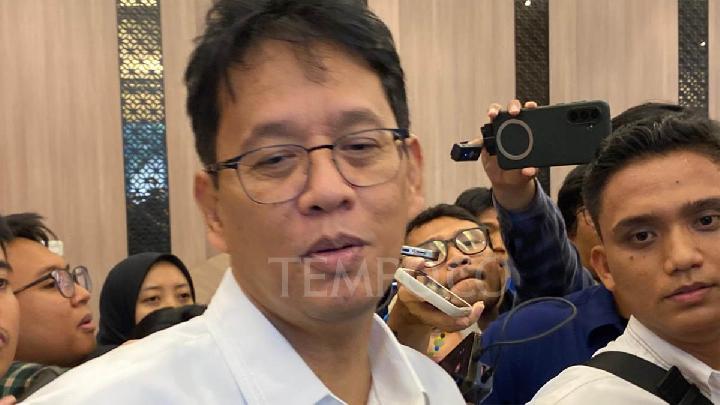
Purbaya says any wider deficit would require presidential approval and likely only in a crisis
Indonesia has not decided whether to let its state budget deficit rise above the legal 3 percent limit, with Finance Minister Purbaya Yudhi Sadewa saying the government is still focused on optimizing spending and that any final move would rest with President Prabowo Subianto.
No Decision Yet on Exceeding the 3% Cap
Finance Minister Purbaya Yudhi Sadewa said there has been no decision to widen Indonesia’s budget deficit beyond the 3 percent of GDP ceiling set by law. He said the government is still calculating the impact of rising global oil prices and broader geopolitical risks before any policy choice is made.
Purbaya also said he was not aware of any immediate plan to issue a government regulation in lieu of law to override the cap, adding that the final decision would depend on President Prabowo. In his words, a wider deficit would only be considered in abnormal or crisis conditions, not under normal circumstances.
Government Is Prioritizing Budget Efficiency First
For now, Purbaya said the government is focusing on budget optimization, including revenue management, spending efficiency, and better use of state funds to support growth. That signals Jakarta is still trying to stay within the 3 percent limit by tightening spending rather than immediately changing the rule.
He added that a true crisis threshold would mean both the domestic and global economy were already in recession and that no other policy path remained. That sets a relatively high bar before Indonesia would formally abandon its long-standing fiscal discipline.
Free Meals Program Still Protected
Purbaya confirmed that priority programs, including the Free Nutritious Meals initiative, are not being targeted for cuts at this stage. That aligns with more recent remarks from Chief Economic Affairs Minister Airlangga Hartarto, who said the Rp335 trillion program would remain intact because it is viewed as a long-term investment.
The free meals program has become both fiscally significant and politically sensitive, which helps explain why the government is looking instead at other areas for possible savings. Current official messaging suggests ministries and agencies may face tighter efficiency measures before flagship welfare spending is touched.
Airlangga’s Scenarios Show Why the Pressure Is Growing
The debate intensified after Airlangga Hartarto presented worst-case scenarios showing the budget deficit could widen to between 3.18 percent and 4.06 percent of GDP if the Middle East conflict drags on and pushes oil prices higher. One of the harshest projections assumed crude at US$115 per barrel and a weaker rupiah, making the 3 percent cap difficult to maintain without spending cuts.
That matters because Indonesia has built credibility around keeping its deficit under control. Even in 2025, the deficit already came close to the statutory ceiling, which means global energy shocks now pose a direct threat to one of Jakarta’s core fiscal anchors.
Why This Matters for Indonesia and the Region
For Indonesia, the issue is not only about accounting rules. It is about whether the government can preserve growth, fund its flagship programs, and absorb external shocks without unsettling investors or weakening confidence in fiscal management. Ratings agencies and markets are closely watching how Jakarta balances those pressures.
For Singaporeans and other regional observers, the outcome matters because Indonesia’s fiscal choices affect trade, investment sentiment, and economic stability across Southeast Asia. If oil-driven stress forces tougher spending cuts or a wider deficit, the effects will not stay inside Indonesia’s borders.
Indonesia Budget Deficit, Purbaya Yudhi Sadewa, APBN 3 Percent Limit, Prabowo Fiscal Policy, Airlangga Deficit Scenario, Free Meals Budget
Sources: EN Tempo (2026) , Bloomberg (2026)
Keywords: Indonesia Budget Deficit, Purbaya Yudhi Sadewa, APBN 3 Percent Limit, Prabowo Fiscal Policy, Airlangga Deficit Scenario, Free Meals Budget