
Indonesia Begins 'Tightening the Belt', DPR Building Lights Out Every Night to Reduced Fuel Quotas for Officials
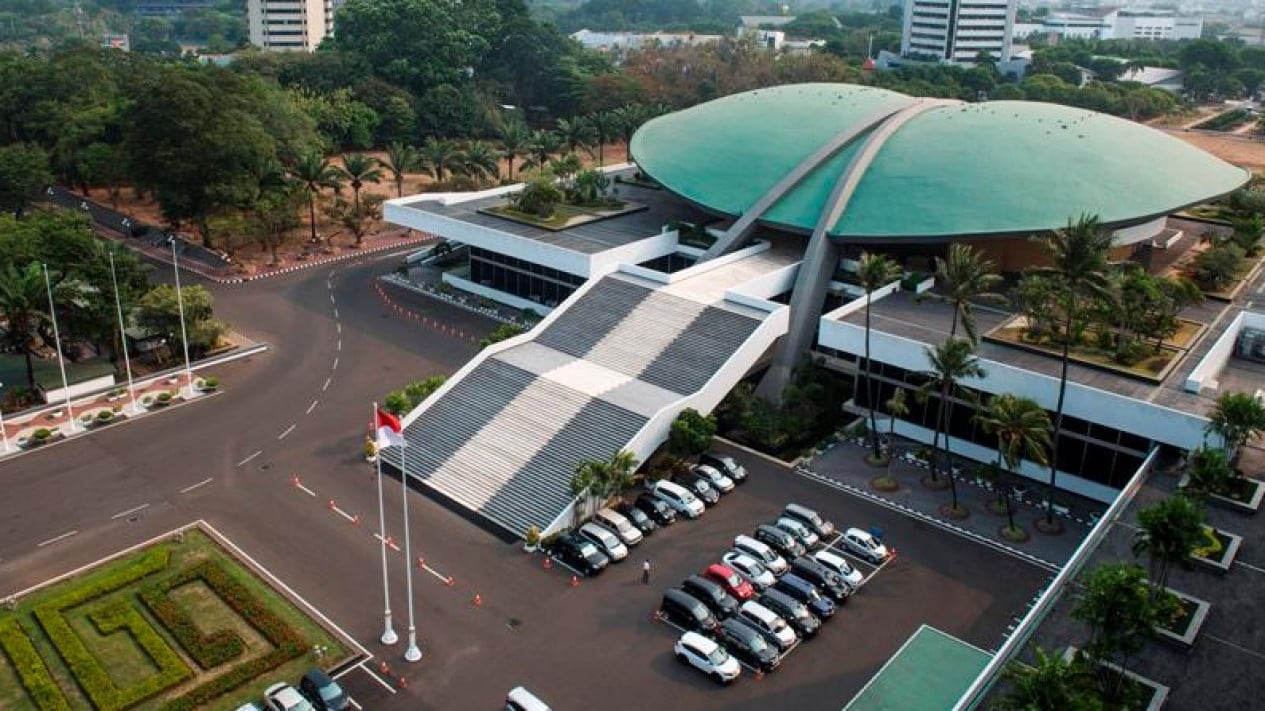
The parliament complex in Senayan, Jakarta, encompassing the MPR RI, DPR RI, and DPD RI buildings, has begun implementing an electricity blackout policy as part of the government’s energy efficiency drive. This policy is one of the concrete efforts to curb energy use while supporting tighter state budget management. DPR RI Secretary General Indra Iskandar explained that the blackouts are routinely carried out every day across all work and meeting spaces. The blackouts are enforced from 6:00 PM WIB until the following morning when office activities resume. “The building working group will monitor electricity and AC usage,” said Indra when contacted in Jakarta on Friday, 27 March 2026. He added that building management staff are strictly overseeing electricity consumption, including air conditioning settings, to ensure the energy-saving policy is optimally implemented and not just a mere recommendation. Not only electricity, but efficiency measures also target fuel oil (BBM) use for official vehicles within the DPR RI General Secretariat. These savings apply to officials from echelon III to echelon I, with gradual reductions in BBM quotas. “We are focusing on civil servants (ASN). For now, temporarily, the BBM quota is reduced by one day each week,” he said. According to Indra, the policy will take effect on Monday, 30 March 2026, coinciding with the full return of all General Secretariat DPR RI officials to activities. Prior to implementation, the DPR RI General Secretariat’s General Bureau has calculated the potential savings from the policy. The efficiency steps in the parliamentary environment align with the central government’s direction in maintaining fiscal stability. State Secretary Minister Prasetyo Hadi previously emphasised that the government continues to devise strategies to safeguard the health of the state budget. One approach is closing potential budget deficits through tightened spending and evaluation of programmes deemed low priority. Through this method, the government hopes state expenditures can be more controlled without disrupting major programmes that directly impact the public.