
Indonesia Begins Repatriation of Citizens from War-Torn Iran
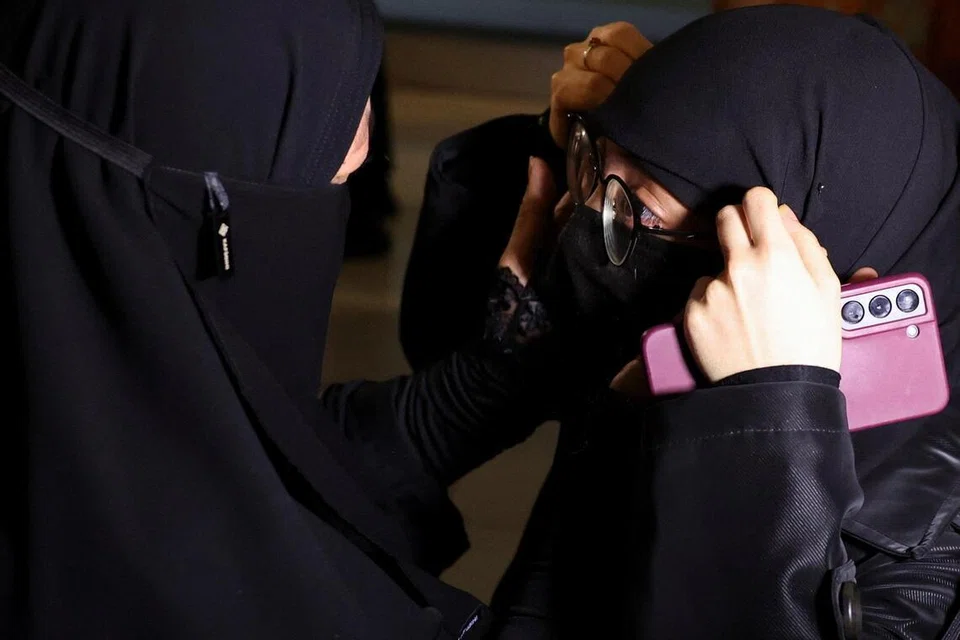
Evacuees describe bombs near embassy as Jakarta prepares more return flights
Indonesia has begun bringing its citizens home from Iran, with the first 22 evacuees arriving in Jakarta after escaping the war zone by land through Azerbaijan. The returnees described explosions near the Indonesian embassy in Tehran and a tense journey out of the country.
First Group Lands in Jakarta
The first group of 22 Indonesians repatriated from Iran arrived home on March 10, becoming the first batch formally brought back by the government since the conflict escalated. They were evacuated overland from Iran to Azerbaijan before continuing by air to Jakarta.
Foreign Minister Sugiono welcomed them at the airport and said 10 more Indonesians are expected to arrive on March 11, while another 36 have registered for a later wave of repatriation.
Evacuees Recall Fear in Tehran
One evacuee, Zulfanlindan, said he spent 10 days sheltering at the Indonesian embassy in Tehran and saw bombs pass overhead before exploding about 1km to 2km away, shaking embassy windows. He said the group later waited five hours for immigration clearance before beginning a roughly nine-hour road trip to the Azerbaijani border.
Another evacuee, student Muhammad Jawad, said the killing of Iran’s supreme leader Ayatollah Ali Khamenei had left people in Tehran grieving and angry, with crowds gathering nightly to mourn and protest.
Hundreds More Indonesians Remain in Iran
Indonesia previously said it had 329 citizens in Iran, most of them students in the city of Qom, and began evacuating dozens of them on March 6 as the war disrupted flights and shut airspace across the region.
Separately, the Foreign Ministry has said 97 evacuees who reached Baku, Azerbaijan, would be repatriated in stages on commercial flights, showing that the operation is still ongoing and larger than the first group that landed in Jakarta.
Wider Crisis Still Affecting Indonesians
Jakarta has said it is not yet planning evacuations from other Middle Eastern countries, even though about half a million Indonesians live across the wider region. Officials have also reported no Indonesians killed in the war so far.
However, the broader instability is already affecting Indonesian nationals elsewhere. Three Indonesian crew members were reported missing after the UAE-flagged tugboat Musaffah 2 sank in the Strait of Hormuz on March 6.
Diplomacy Remains Uncertain
President Prabowo Subianto has offered to mediate between Iran on one side and the United States and Israel on the other, but prospects for talks remain unclear. On March 10, Iran’s foreign minister ruled out negotiations with Washington, signaling that a quick diplomatic breakthrough is unlikely.
That means Indonesia may need to keep balancing two tracks at once: evacuating citizens from immediate danger while also trying to preserve room for diplomacy in a fast-moving regional conflict.
The arrival of the first evacuees marks a visible start to Indonesia’s effort to protect its citizens as the Iran war spreads disruption across the Middle East. For Indonesians, the immediate issue is safety and getting more people home quickly. For Singaporeans, the episode is another reminder that conflict in the Gulf can rapidly affect regional mobility, aviation, shipping, and the many Southeast Asians living and working across the Middle East.
Sources: Straits Times (2026) , RFI (2026)
Keywords: Indonesians Evacuated From Iran, Sugiono Repatriation, Tehran Embassy Bombs, Azerbaijan Evacuation Route, Indonesia Middle East Crisis