
Indonesia becomes first nation to test global carbon data model with G20 support
Indonesia is committed to building a high-integrity carbon market that supports national climate targets.
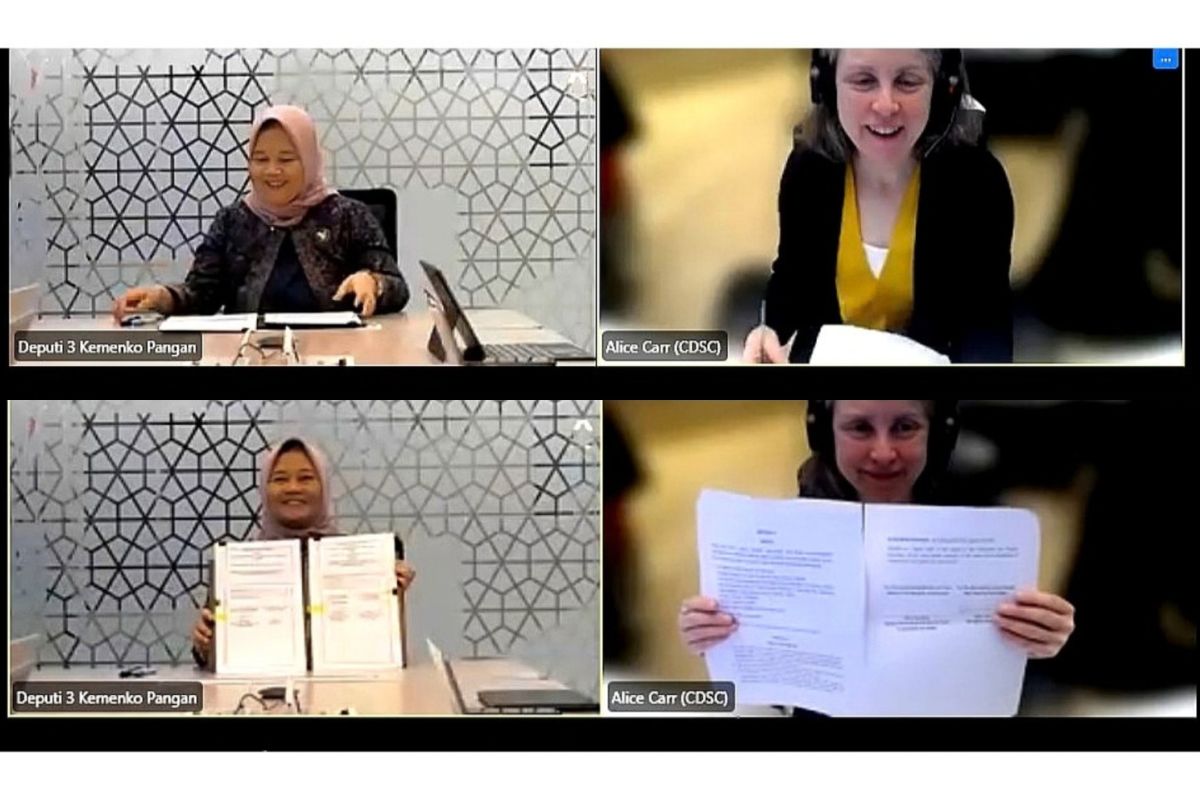
Jakarta (ANTARA) - The government, through the Coordinating Ministry for Food Affairs, has signed a memorandum of understanding with the Climate Data Steering Committee (CDSC) to pilot a carbon data model supported by the G20 within the national system.
The collaboration aims to strengthen standardisation and transparency of the national carbon market whilst designating Indonesia as the first country to test the Common Carbon Credit Data Model in a domestic system.
“Indonesia is committed to building a high-integrity carbon market that supports national climate targets,” said Nani Hendiarti, Deputy for Food Accessibility and Security Coordination at the Coordinating Ministry for Food Affairs, in a statement in Jakarta on Tuesday.
Under Presidential Regulation No. 110 of 2025 on Carbon Economic Value (NEK), the government is integrating the model into the development of the Carbon Unit Registry System (SRUK).
This step aims to align the domestic carbon market with international best practices and enhance investor confidence in Indonesia’s carbon trading mechanism.
“By piloting this global data model, we ensure Indonesia’s leadership in climate action, protect natural resources, whilst opening opportunities for sustainable development for the community,” said Nani.
CDSC Chair Mary Schapiro viewed Indonesia’s action as an important milestone in providing high-quality climate data as a global public good.
According to her, implementation of the model demonstrates how global standards can be effectively applied within a national context.
The carbon data model is designed to address key challenges in the carbon market, namely the lack of data standardisation across systems, which has long hindered transparency and accountability.
By providing a uniform data framework, the model is expected to prevent double-counting and facilitate the due diligence process for carbon market actors.
This pilot project follows up on commitments agreed at COP30 in São Paulo, Brazil, to strengthen the integrity of the global carbon market.
The ministry noted that more than 35 jurisdictions and private sector players have expressed interest in adopting a similar approach to carbon data management.
Through this partnership, the government is optimistic about delivering a more efficient and transparent carbon market that becomes one of the main pillars in achieving national emission reduction targets.