
Indonesia awaits US investigation for clarity on ART tariff agreement
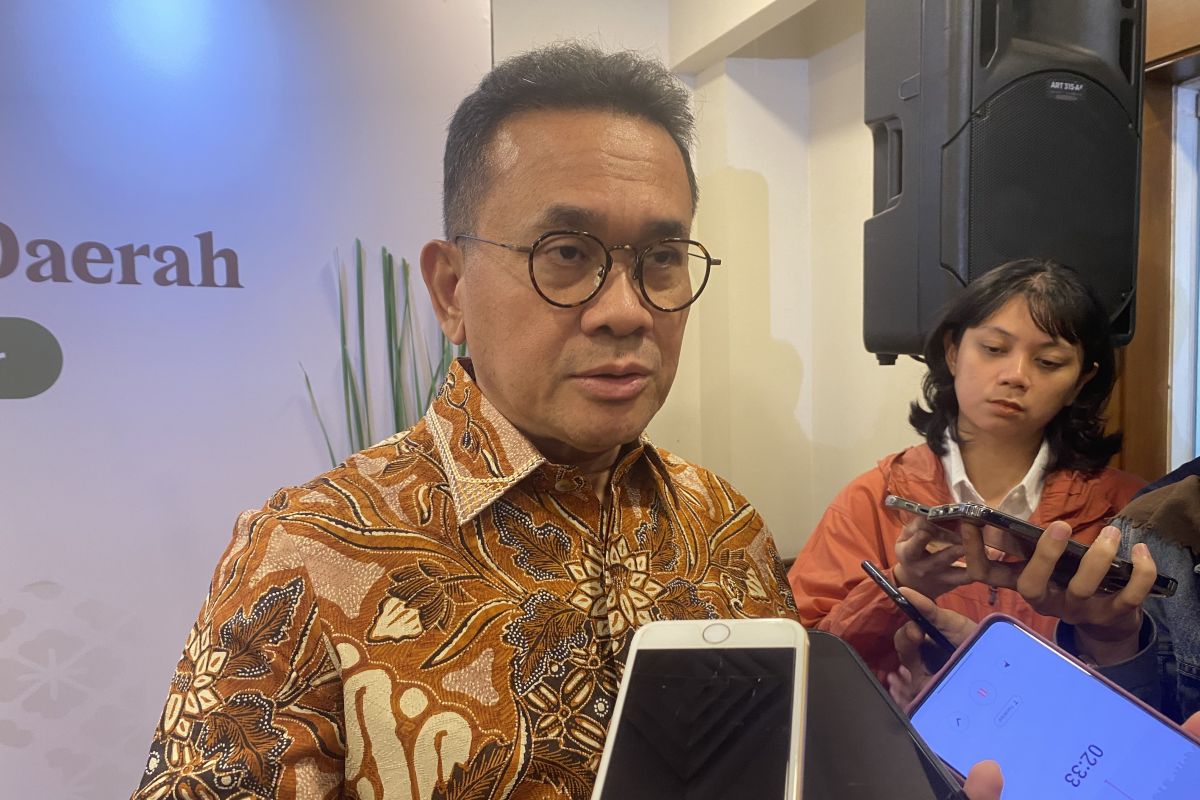
Indonesia is awaiting the results of a US investigation to confirm the continuation of the Arrangement on Reciprocal Trade (ART) tariff agreement, signed by both governments on 19 February 2026.
Trade Minister Budi Santoso stated on Monday in Jakarta that the US is currently conducting an investigation under Section 301 of the 1974 Trade Act against several countries, including Indonesia, particularly those with trade surpluses.
He noted that the ART policy was previously annulled by the US Supreme Court, leading to a temporary 10% tariff for a limited period of around 150 days.
Budi said the government is concerned about the policy’s future after this period, given the significant trade value with the US.
‘The question is what happens after 150 days,’ he said.
The minister highlighted two key issues under investigation: labour costs and manufacturing overcapacity.
However, he assured that Indonesia has resolved both issues during clarifications with US authorities.
Furthermore, the Trade Minister hopes ART will provide Indonesia with better treatment compared to other nations in accessing the US market.
He added that several countries, including Thailand, are now seeking similar agreements with the US, so Indonesia must capitalise on the current momentum.
‘Many other countries like Thailand are now rushing to sign ART. We have already signed it. Our hope is that with ART, we will be treated differently – better,’ Budi said.
The US market is crucial for Indonesian exports, with exports reaching approximately $30.9 billion in 2025 and a surplus of $18.11 billion.
The government hopes clarity on ART will open wider opportunities for Indonesian manufactured goods such as footwear, ready-to-wear clothing, and electronics in the US market.