
Indonesia and Austria Strengthen Collaboration in Research and Higher Education
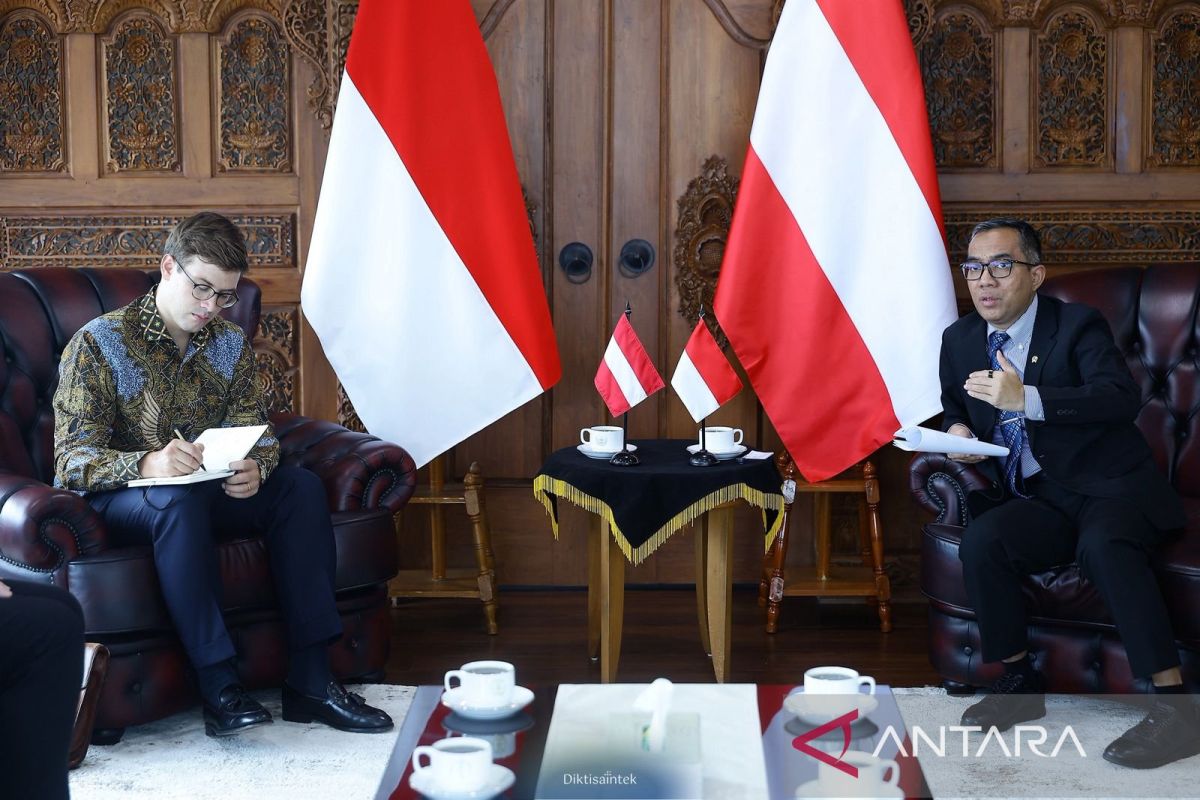
Jakarta (ANTARA) - The Ministry of Higher Education, Science, and Technology (Kemdiktisaintek) together with the Austrian Embassy is opening opportunities to strengthen collaboration in the fields of research and higher education. Both parties discussed strengthening ongoing collaboration programmes, including student and lecturer exchanges, scholarship programmes, and university-to-university (U2U) cooperation on Thursday (16/4). The Minister of Higher Education, Science, and Technology (Mendiktisaintek), Brian Yuliarto, emphasised the importance of the role of higher education institutions in supporting national priority agendas, particularly in promoting downstreaming, industrialisation, and strategic sectors such as sustainable energy. “We have priority programmes based on the directives of the President of the Republic of Indonesia, Prabowo Subianto. These can be implemented through campus programmes, not only for science, but also how campus research can influence industry,” said the Mendiktisaintek in a statement in Jakarta on Saturday. Minister Brian reaffirmed his commitment to continue expanding global partnerships that support improvements in the quality of national higher education and research, as well as ensuring that international collaborations can provide real contributions to innovation-based economic development in Indonesia. “Cooperation in higher education with Indonesia has been ongoing since 1991. We greatly appreciate and are satisfied with the current cooperation, and we want to take further steps with Indonesia,” said Michael Wislocki. It is known that both parties also explored the potential for developing more concrete cooperation through joint projects in the energy transition sector, including the development of battery technology, semiconductors, and energy conversion systems. In addition, efforts to improve the quality of vocational education and the development of research directly linked to industry needs were also discussed. This collaboration is expected to involve higher education institutions, industry, and government in an integrated and sustainable framework. As a follow-up step to enhance cooperation, both parties explored the potential for more integrated collaboration programme schemes, including the potential development of large-scale joint projects that combine aspects of education, research, and intergovernmental financing.