
Indonesia Accelerates Asphalt Self-Sufficiency, Irony of RI's Asbuton Production Selling Well in China
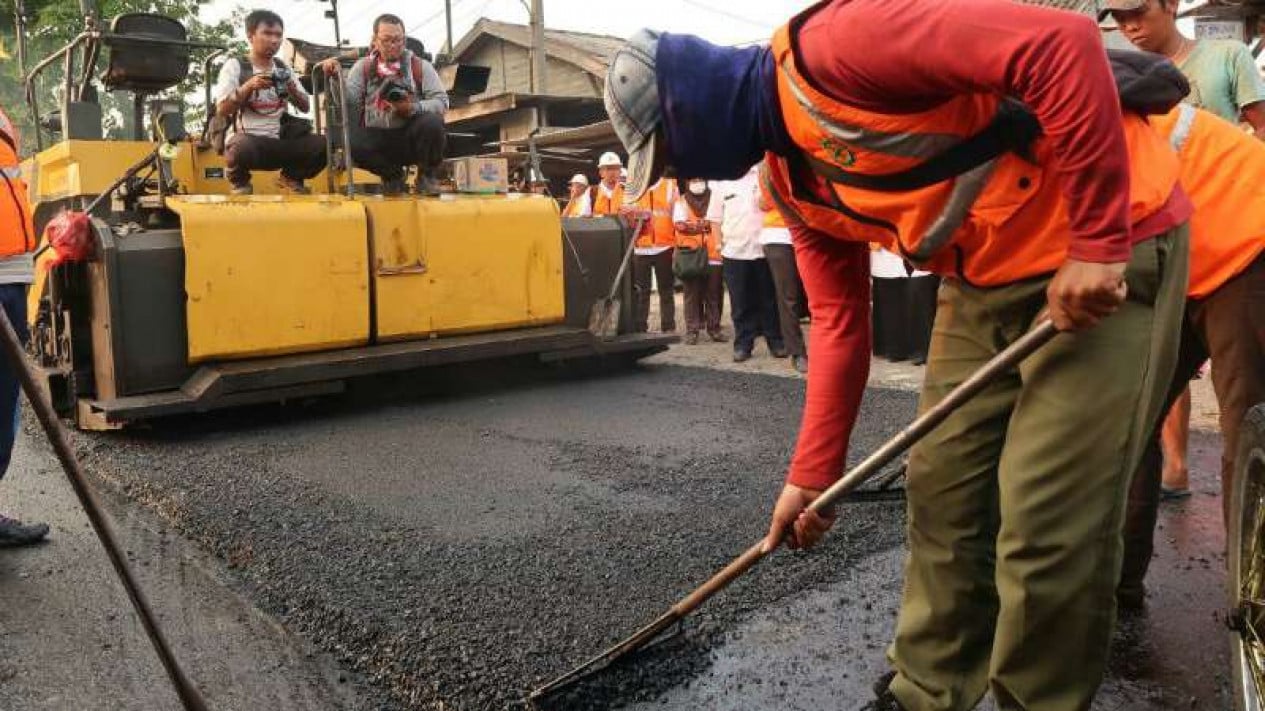
The government is promoting the increased use of Buton asphalt (Asbuton) to reduce import dependency and achieve national asphalt self-sufficiency. Minister of Public Works, Dody Hanggodo, believes Indonesia should optimise the use of Asbuton, noting that other countries like China are already utilising it.
Dody stated that imported asphalt has dominated usage so far because it is considered easier to use in construction projects. This situation has resulted in suboptimal domestic utilisation of Asbuton, despite Indonesia’s large reserves.
“It’s just that, compared to imports, foreign asphalt is easier. And this is no secret. It must be acknowledged,” he said to the media at the Ministry of Public Works building in Kebayoran, South Jakarta, on Thursday, 2 April 2026.
He explained that in terms of quality, Buton asphalt has no significant issues. Although it has not been used on a massive scale in Indonesia, Asbuton has been employed in other countries with better infrastructure quality.
“In terms of reliability, it’s true that it hasn’t been tested massively in Indonesia. Limited trials have been conducted. But what we know is that Buton asphalt is actually the main aggregate in major countries whose road quality is far better than ours, for example China,” said Dody.
According to him, China even imports Buton asphalt from Indonesia as a road mixture material. This demonstrates that Asbuton has competitiveness in the global market.
The government targets increasing Asbuton usage to curb imports, which currently account for around 80% of total national needs. National asphalt requirements are recorded at about 1 million tonnes per year and are estimated to rise to 1.5 million tonnes in the coming years.
On the other hand, the utilisation of domestic Asbuton reserves is only around 4%. The government targets a gradual increase in usage to 30%. This policy is expected to save state funds up to Rp4 trillion and increase tax revenues by around Rp2 trillion.
Additionally, developing the Asbuton industry is estimated to create economic added value of up to Rp23 trillion and open new job opportunities. The government is also encouraging the strengthening of the industry supply chain, including the mining sector in the Buton region.