
Indocement Builds 71.9 MW Solar Power Plant Across Three Factories to Reduce Emissions
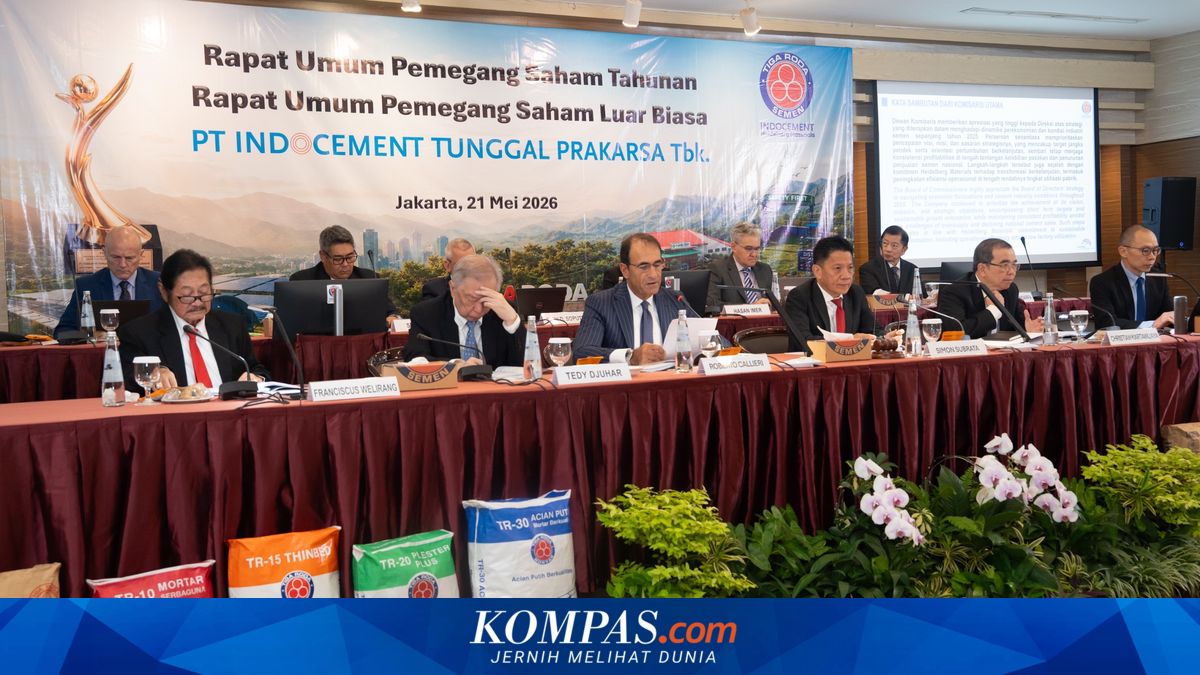
JAKARTA — PT Indocement Tunggal Prakarsa Tbk (INTP) is building a 71.9 MW solar power plant across three main factory complexes in Citeureup, Cirebon, and Tarjun, claiming it to be the largest in Indonesia’s cement sector. This move positions Indocement as a pioneer in decarbonisation within the hard-to-abate sector, demonstrating that energy transition is no longer theoretical but actively underway at industrial scale. The initiative also contributes concretely to the Indonesian government’s target of achieving net zero emissions by 2060 and accelerating the renewable energy mix. Indocement director Holger Mørch said that amid global pressures on the cement industry, this step shows decarbonisation can be achieved without compromising scale, efficiency, or competitiveness. ‘The construction of the largest solar power plant in this sector proves decarbonisation can be implemented practically, at scale, measured, and integrated with industrial operational needs,’ he said in a written statement on Monday, 25 May 2026. However, for Indocement, this is more than just an energy project. The transformation is part of the company’s long-term strategy to reduce operational carbon footprint comprehensively, through the use of alternative fuels such as refuse-derived fuel (RDF) and optimising alternative raw materials to cut process emissions. Additionally, Indocement is developing a low-carbon energy roadmap and innovating eco-friendly cement products. As part of the global Heidelberg Materials group, Indocement is bringing world-class sustainability standards into its Indonesian operations, ensuring the transformation is not only locally relevant but also globally competitive. To realise this initiative, Indocement has partnered with SUN Energy as a strategic collaborator to deliver renewable energy solutions that function not just as a power source but as part of future industrial operations. Through a sustainability-as-a-service approach, SUN provides solutions ensuring energy reliability for heavy industry operations and long-term cost efficiency. SUN also enhances energy security amid global energy volatility. ‘We ensure our solutions are adaptive to operational needs, remain reliable long-term, and are business-relevant. Collaboration with Indocement demonstrates energy transition can proceed without disrupting productivity, even enhancing industrial competitiveness,’ he said. This partnership marks a significant shift from supplementary sustainability initiatives to core operational strategy. ‘With its scale and integrated approach, this project sends a strong signal that industrial decarbonisation in Indonesia is happening now through measured and sustainable steps,’ he concluded.