
Indef urges improved agricultural quality to capitalise on zero-percent tariff opportunity to the United States
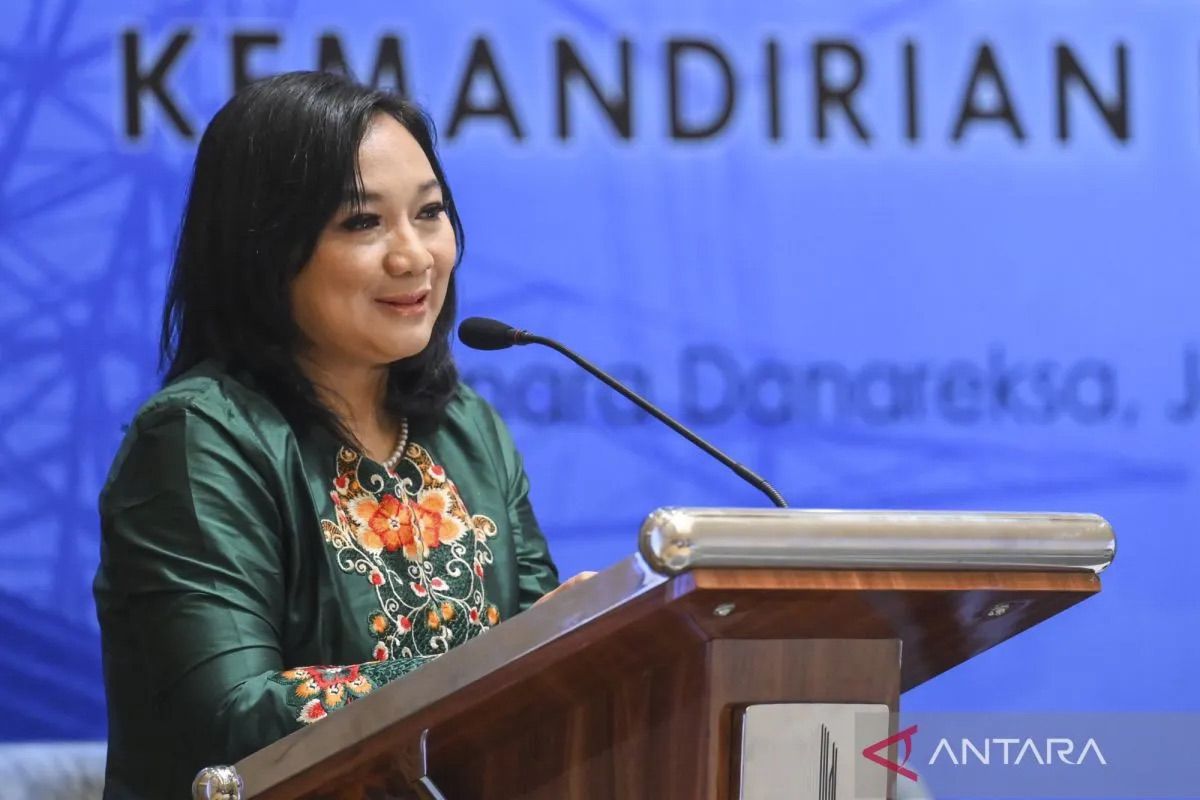
Jakarta – The Executive Director of the Institute for Development of Economics and Finance (Indef), Esther Sri Astuti, has emphasised the importance of strengthening quality standards and product certification to capitalise on the zero-percent tariff opportunity for Indonesian agricultural commodity exports to the United States market.
Contacted by ANTARA in Jakarta on Monday, Esther stated that the potential for Indonesian agricultural commodity exports to the United States is substantial given the zero-percent tariff policy, particularly for cocoa, coffee, and other plantation commodities.
However, she stressed the critical importance of meeting quality standards for domestic agricultural products in accordance with the requirements of the United States Department of Agriculture (USDA).
“To enter the American market, products must comply with their standards. For example, coffee, cocoa, and others must be certified as organic by USDA, fair-trade, and so on. If not certified, well… they cannot be exported,” Esther said.
Certifications such as organic standards from US agricultural authorities and fair-trade schemes are considered crucial factors for Indonesian products to be accepted and compete in global markets.
She noted that strengthening quality standards simultaneously encourages improved production quality of agricultural commodities at the farmer level, resulting in higher-value products.
Additionally, improved quality and product certification have the potential to strengthen farmers’ positions within global commodity supply chains, which have historically been dominated by processing and trading industry players.
Nevertheless, she recommended that export development should maintain a balance with domestic needs, ensuring that national agricultural production can sustain supply stability whilst opening international market opportunities.
“In my view, domestic needs should be met first, and only the surplus should be exported, as China does,” Esther explained.
The economic diplomacy led by President Prabowo Subianto has yielded concrete results for the national agricultural sector. Agricultural commodities receiving zero-percent tariff facilities include tropical fruits such as bananas, pineapples, mangoes, durians, and papayas; coffee with six tariff positions; green tea and black tea; and strategic spices such as pepper, nutmeg, cloves, cinnamon, cardamom, ginger, and turmeric.
Additionally, cocoa and its derivatives, palm oil, palm kernel oil, coconut fruit and kernels, processed fruit products, cassava and sago flour and starch, and mineral fertilisers based on potassium also benefit from the same facility. These products are covered under the Agreements on Reciprocal Trade (ART) signed by President Prabowo Subianto and United States President Donald Trump as part of strengthening economic partnership between the two nations.
“This is a great opportunity. A great opportunity, why? Cocoa, CPO (palm oil), and our CPO is the largest exported, then rubber and so on, God willing, will have zero tariffs,” said Agriculture Minister Amran when asked about subsidy fertiliser developments during the Poultry and Derivative Product Export Ceremony to Japan, Singapore, and East Timor in Jakarta on Tuesday (3 March).