
Indef: MBG key to boosting competitiveness of domestic poultry downstreaming amid US–Indonesia Agreement on Reciprocal Trade (ART)
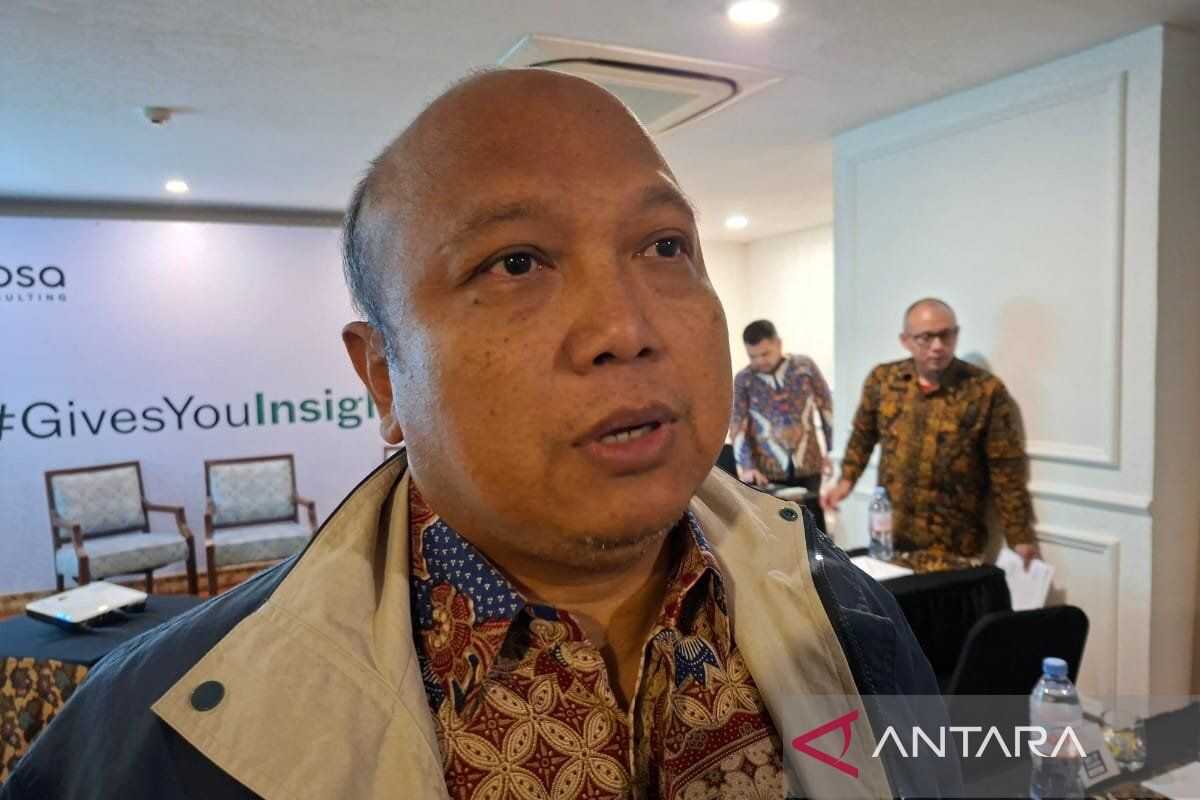
Jakarta (ANTARA) - The Free Nutritious Meals (MBG) programme could be a key to strengthening the competitiveness of domestic poultry downstreaming in facing planned poultry imports as part of the Indonesia–United States Reciprocal Trade Agreement (ART). The statement was made by Tauhid Ahmad, a senior economist at the Institute for Development of Economics and Finance (INDEF), in Jakarta on Friday.
“Because there is a large domestic supply for MBG, the niche markets must be supplied domestically so that there is a market that can be included in the poultry downstreaming project,” said Tauhid Ahmad.
Government programmes such as MBG can be utilised by local poultry farmers to gain profits and make their products more competitive.
“According to me, we must be competitive domestically. For example ensuring that the feed supply for poultry farming can be cheaper, supported by government policies, then medicines and health for poultry farming and the like, as well as infrastructure, the government can help so that the selling price of domestically produced poultry products is cheaper than imported products,” said Tauhid Ahmad.
For ART, information indicates that Indonesia imports US poultry products in the form of live poultry for Grand Parent Stock (GPS) amounting to 580,000 birds (estimated value around USD 17-20 million). GPS is a crucial genetic source for domestic poultry farmers and there are currently no GPS breeding facilities in Indonesia.
Next, importing chicken parts such as leg quarters, breasts, legs, or thighs has not been prohibited, provided it meets animal health, food safety, needs, and applicable technical regulations.
For domestic food industry needs, Indonesia also imports mechanically deboned meat (MDM) as a raw material for making sausages, nuggets, meatballs, and other processed products, with an estimated import volume of around 120,000-150,000 tonnes per year.
The government remains prioritising protection of domestic poultry farmers and maintaining a balance of supply and the national price of chicken. No policy is being pursued at the expense of the domestic industry.