
Indef: EV Incentives Needed to Mitigate Fiscal Risks from Oil Price Surge
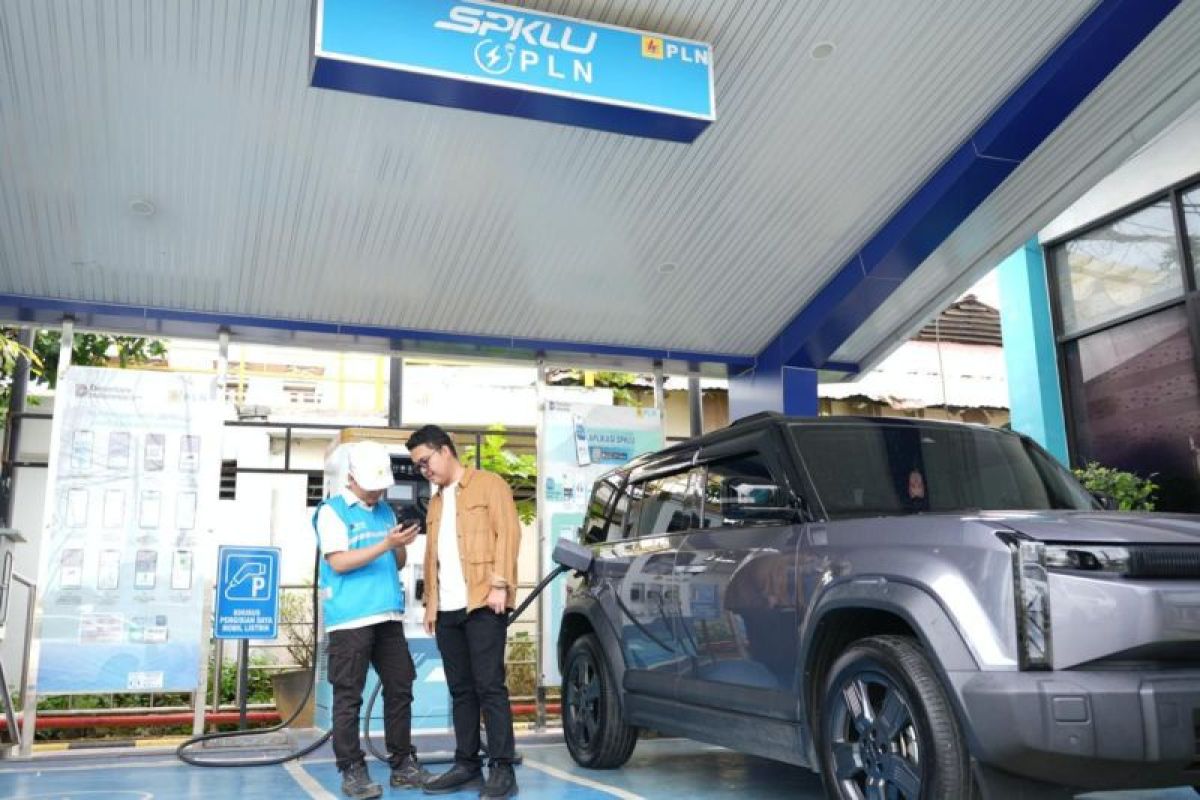
Jakarta - The Institute for Development of Economics and Finance (Indef) assesses that the government needs to promptly reactivate electric vehicle (EV) incentives as a measure to dampen fiscal risks stemming from the surge in global oil prices. Head of Indef’s Centre for Macroeconomics and Finance, M Rizal Taufikurahman, stated that without further stimulus, Indonesia risks losing momentum in accelerating electric vehicle adoption, particularly in the middle-class segment. “This slowdown risk is quite real, especially after fiscal incentives end in 2025, causing electric vehicle prices to become more expensive and narrowing public purchasing power,” he said in his statement in Jakarta on Thursday. Data shows that from January to November 2025, electric vehicle sales reached around 82,000 units, equivalent to 11-12 percent of the national automotive market total, driven by various government incentives. However, at the same time, he continued, geopolitical tensions between the United States, Israel, and Iran are keeping global oil prices high and even sustained above 100 US dollars per barrel. This situation could increase the burden of energy subsidies in the state budget (APBN). Rizal explained that energy subsidy allocation for 2026 is estimated to reach around Rp210 trillion. This budget is highly sensitive to oil price movements, where each 1 US dollar per barrel increase can add a fiscal burden of Rp6-7 trillion. Thus, if oil prices rise by 10 US dollars per barrel, the additional subsidy burden could reach Rp60-70 trillion. Therefore, he added, electric vehicle incentives are still needed, not only to maintain public purchasing power but also as a medium-term strategy to reduce fiscal pressures and dependence on fuel imports. “In energy transition simulations, replacing 1 million conventional vehicles with electric vehicles could potentially save around 13 million barrels of oil per year. This is a significant saving and has a direct impact on national energy balance,” he said. Rizal emphasised that the continuity of incentives will greatly determine the success of the energy transition in the transportation sector, while also maintaining fiscal stability amid global uncertainties.