
Indef: Chilli Price Increases During Eid Follow Seasonal Pattern
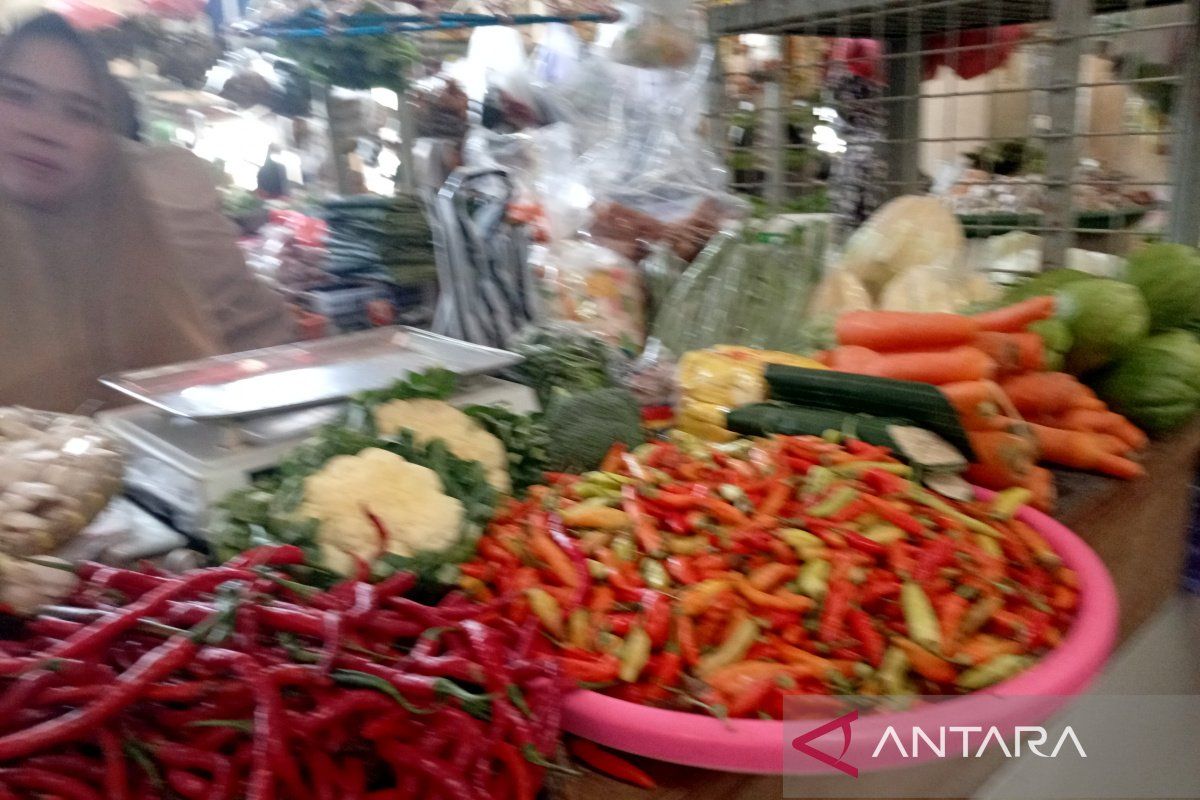
Executive Director of the Institute for Development of Economics and Finance (Indef), Esther Sri Astuti, assesses that the price increases in several commodities, including chillies, during the Eid period represent a seasonal pattern that occurs almost every year.
Esther views these price rises as temporary and likely to gradually decrease after the Eid period.
“The potential for price increases during Eid is certain to occur. However, prices of some commodities, including chillies, will fall back,” Esther told ANTARA in Jakarta on Thursday.
She stated that the sharp rise in chilli prices is broadly triggered by increased public demand during the festive momentum, as well as supply conditions at the production level.
According to her, weather disruptions in several production centres have also pressured the availability of chillies in the market.
“Chilli prices have risen sharply, while onion prices have increased but not as steeply as chillies. Chilli prices are higher because supply has decreased due to chilli planting areas being flooded,” she said.
Esther added that prices of commodities that tend to rise during the Eid period will gradually normalise if supply can be well maintained.
“Prices will fall if the supply of commodities is maintained,” she explained.
Data from the National Strategic Food Price Information Centre (PIHPS) shows that the national price of red bird’s eye chillies once reached Rp104,050 per kilogram on 25 March 2026.
Nevertheless, the National Food Agency (Bapanas) records that several horticultural commodities nationally remain in surplus until April 2026.
The availability of bird’s eye chillies in early March is estimated at around 105,000 tonnes, large chillies at 74,000 tonnes, and shallots at around 57,000 tonnes.
However, uneven supply distribution due to weather disruptions still has the potential to cause price fluctuations at the consumer level.
On the other hand, rice prices are deemed more stable due to adequate reserve availability.
The government records the total national rice availability in early March 2026 at around 27.99 million tonnes, with Bulog Corporation stocks at about 3.7 million tonnes, public stocks at around 12.50 million tonnes, and standing crops at 11.73 million tonnes.
With an average national consumption rate of around 2.5 million tonnes per month, this condition is considered capable of maintaining rice price stability in the market.