
Inactivity and Overeating Drive Obesity
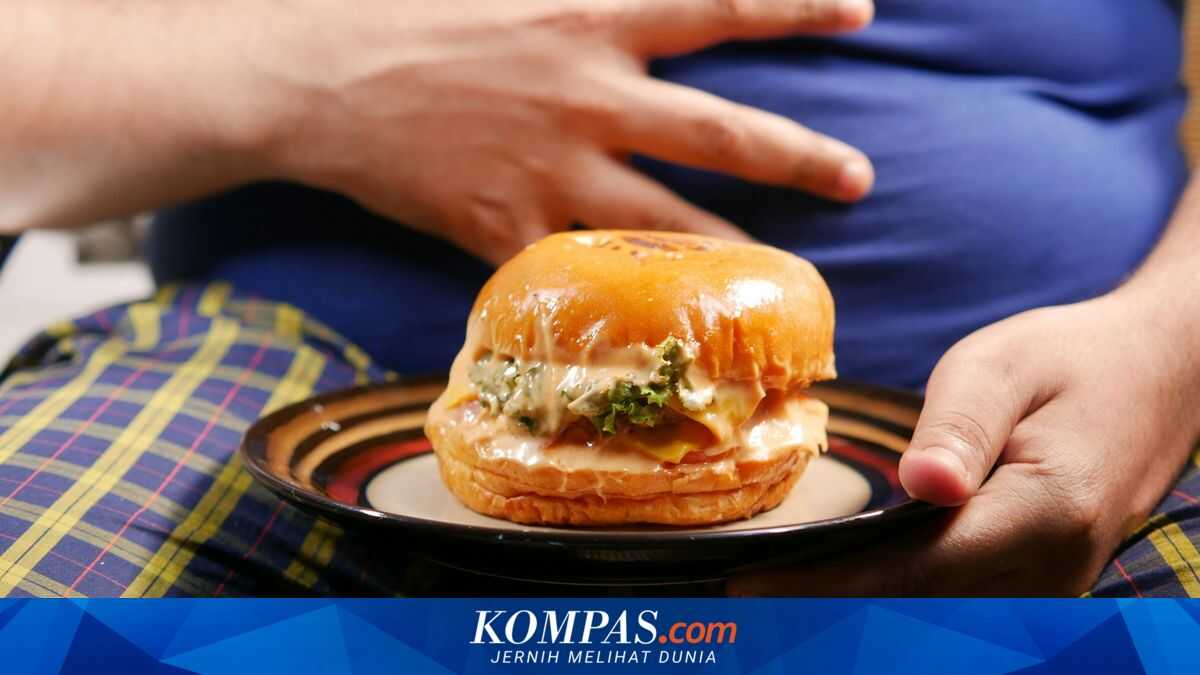
Obesity is not only caused by the consumption of fatty foods, but is also linked to the balance between energy intake and energy expenditure in the body.
According to Dr Siti Nadia Tarmizi, M.Epid, Director of Prevention and Control of Non-Communicable Diseases at the Ministry of Health of the Republic of Indonesia, the basic principle of obesity is simple: an imbalance between the energy that enters and the energy that the body uses.
“The principle of obesity is straightforward: between intake and expenditure (unbalanced),” she said during the Media Briefing “Cermat Memilih Pangan Olahan untuk Mencegah Obesitas” in Central Jakarta on Tuesday, 3 March 2026.
Excess energy is then stored as fat, causing weight to rise. This condition is more at risk if someone leads a sedentary lifestyle or lacks physical activity.
“If we don’t move much, while intake is high, that’s what makes weight go up,” she explained.
High carbohydrate intake can also contribute to weight gain.
“If carbohydrates are more, they are surely processed into sugar. That can also cause obesity,” she said.
In the body, excess carbohydrates will be converted to glucose. If not used for energy, that glucose can be stored as fat.
This is what makes excessive carbohydrate consumption still risky, even if it does not come from fatty foods.
For example, consuming high-calorie foods such as burgers that can reach thousands of calories in a single meal.
“If you eat a burger, the calories can reach 2,000. That should be enough for one day,” she said.
However, in practice, many people still consume other foods afterwards, such as potatoes, rice, or snacks, making the total caloric intake excessive.