
"In This Economy", Residents Change Lifestyles to Survive Amid Uncertainty
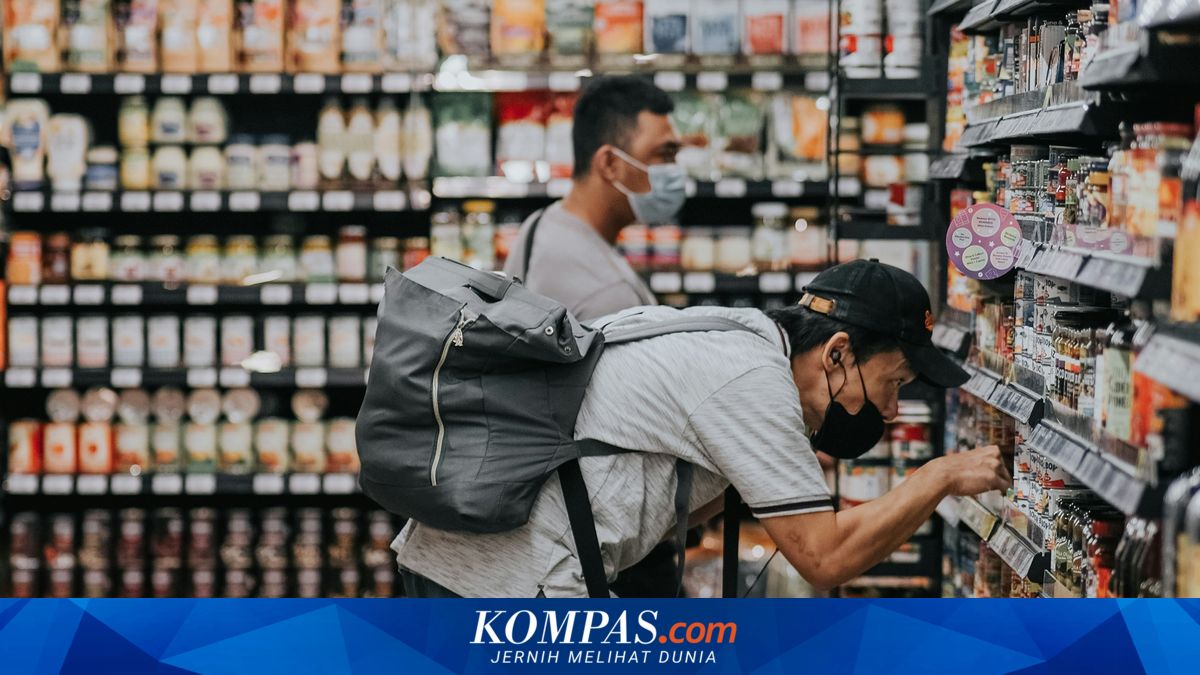
JAKARTA, KOMPAS.com - Amid the current economic conditions, some members of the public are becoming more cautious in managing their finances by curbing non-priority spending. Consumption patterns have shifted, from reducing habits of eating out or snacking to switching to public transport to save on daily costs. These changes in consumer behaviour are evident alongside growing public concerns over economic pressures, rising living costs, and global instability affecting purchasing power. Many residents are now prioritising basic needs and postponing non-urgent expenditures. However, not everyone is opting for total spending cuts. Some are instead adopting more selective and measured shopping patterns. One resident shared that she is now more careful with spending, particularly on entertainment or dining out. “In the current economic situation, it’s more about curating, not just cutting. If I really feel like snacking, I still go for it, but now I pick and choose places and prioritise small roadside vendors,” said private sector worker Lilis to Kompas.com on Friday (15/5/2026). Celia admitted to reducing spending on tertiary needs, including her previous routine of buying coffee outside. “Yes, I’ve started cutting back. I only have coffee occasionally if invited by friends, maybe once a month. Otherwise, I make coffee at home,” said Celia Karenina. According to her, these changes in spending patterns are to keep the family’s finances stable amid rising living costs. She claimed to now be more selective in spending money and prioritising what she considers more important needs. “I used to have coffee more often than now. Basically, now I’m tightening my belt for more priority needs,” she said. As a journalist myself, I have reduced buying coffee snacks since two years ago and occasionally bring packed lunches to reporting locations. I also use public transport for work, because in my view, relying on online transport costs is increasingly burdensome. “Using public transport alone has saved me hundreds of thousands every day. Not to mention if I also reduce using ride-hailing and bring packed lunches,” I said, a Kompas.com journalist. Currently, Indonesia faces global economic uncertainty due to the war between the US and Iran, reciprocal tariff policies, and the gradual weakening of the rupiah against the US dollar, which is pushing up raw material prices. Nevertheless, Indonesia’s domestic economy is assessed to still show relatively good resilience, with the RI economy growing 5.6 percent YoY (year-on-year) in the first quarter of 2026 compared to 5.3 percent in the previous period. On the other hand, businesses in the food and beverage sector are beginning to feel the changes in consumer shopping patterns. The public tends to be more selective in choosing products, seeking promotions, and limiting budgets for recreation and dining.