
In Response to LPG Price Hike, Academic Urges Use of Induction Stoves
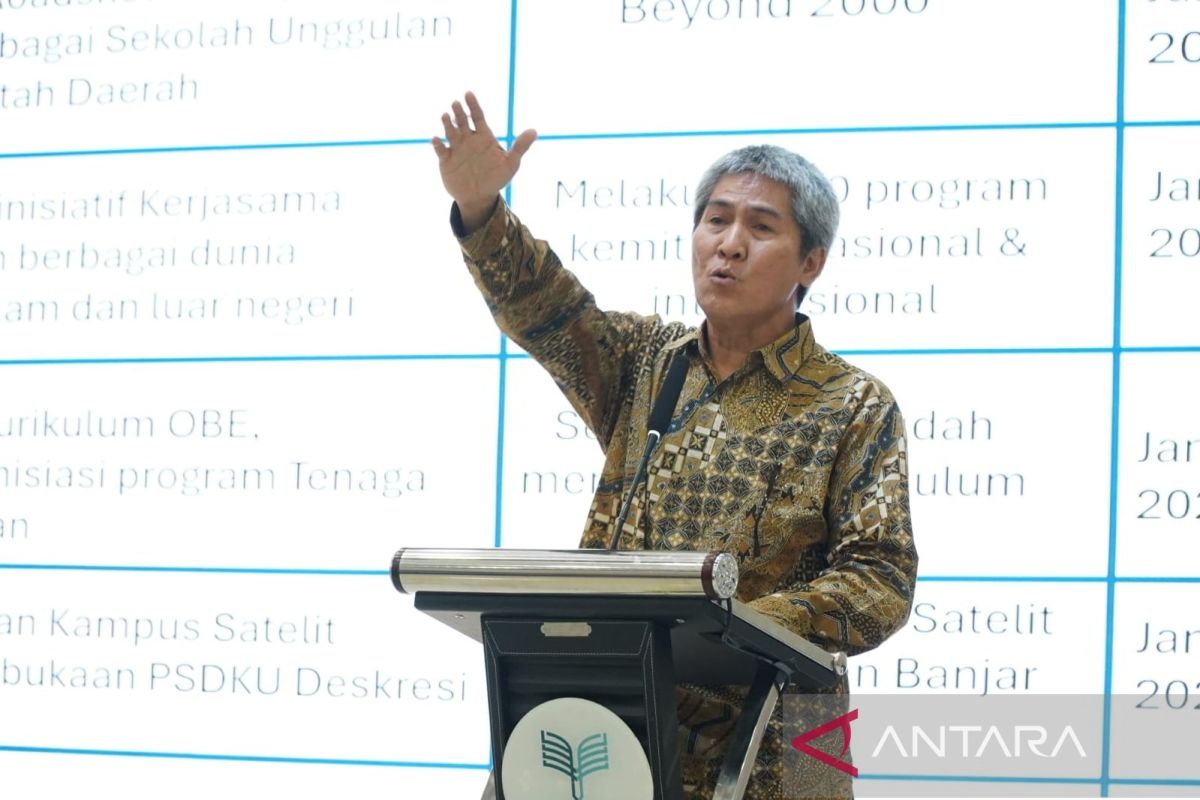
Rector of Institut Teknologi PLN, Prof Iwa Garniwa, has suggested that the government expedite the construction of urban gas networks and encourage the shift to induction stoves as an interim solution in response to the adjustment of non-subsidised 12 kg LPG prices.
He assesses that the use of electricity for cooking activities in urban areas is currently far more advantageous and safe for the national energy resilience system, as it can reduce public dependence on imported liquefied natural gas products.
“Our electricity is in surplus, it is safer, and does not rely on imports,” said Iwa in a statement in Jakarta on Friday.
Currently, he revealed, the price difference between 12 kg LPG and 3 kg LPG is nearly three times. This situation is seen to trigger the risk of non-subsidy consumers switching to subsidised gas.
“Economically, it is rational if the public is tempted to switch. But this is dangerous because the 3 kg LPG is subsidised by the state budget and is only for certain groups,” he stated.
For micro, small, and medium enterprises (UMKM), the government is advised to provide easier access to microcredit so they can switch to induction stoves, or by providing non-subsidised LPG products in smaller sizes to make them more affordable.
Regarding the impact of the price adjustment, Iwa assesses that the rise in 12 kg LPG prices, which follows global market mechanisms, will not overly disrupt the macroeconomy.
“If the price rises by 10 percent, its contribution to inflation is only around 0.018 percent. So it is relatively small,” he said.
Nevertheless, Iwa also warned of potential second-round effects, particularly in the culinary UMKM sector.
“The increase in costs can be passed on to food prices. For example, the price of chicken pecel rises by Rp1,000. This is what will be felt later, but usually gradually over 1-2 months,” stated Iwa Garniwa.