
In Parliament, Domestic Workers Say They Cannot Sit on the Sofa While Escorting Their Employer’s Child
A domestic worker, Wiwi Kartiwi, says she frequently experiences discrimination at work. She says the treatment of domestic workers is often different from that of other workers.
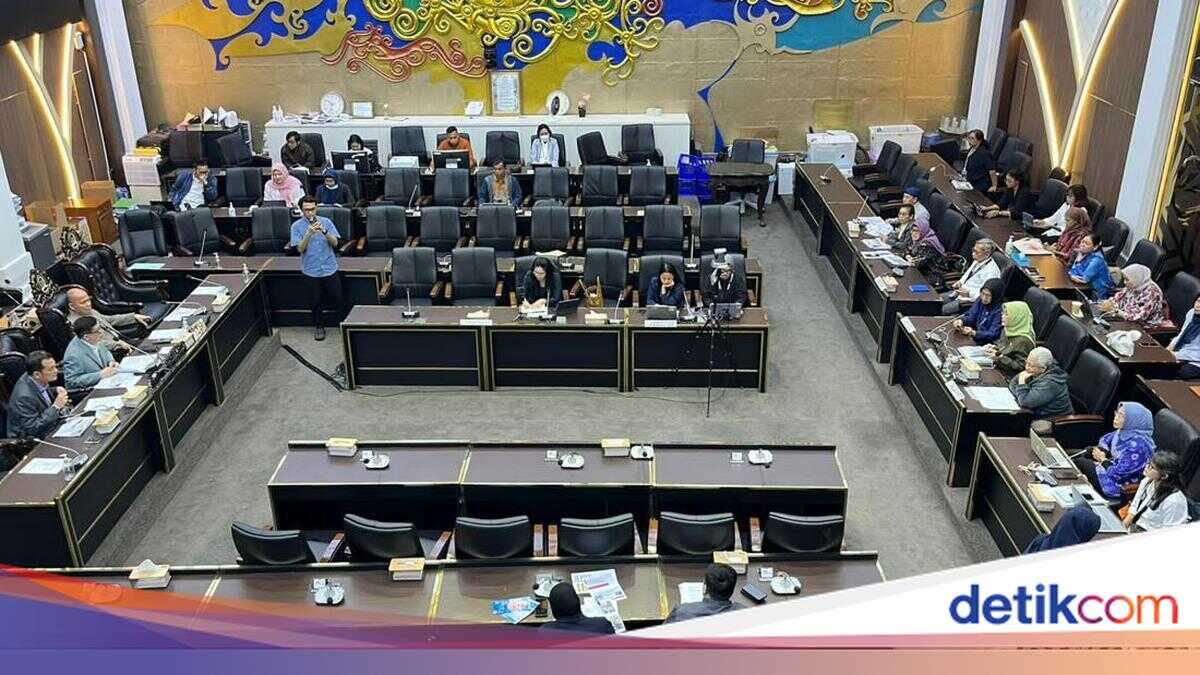
She told this at a Public Hearing of the Legislative Body (Baleg) of the House of Representatives (DPR) which discussed input on the Domestic Workers Protection Bill (RUU PPRT) at the Parliament Complex, Senayan, Jakarta, on Thursday, 5 March 2026. With no clear legal protection, domestic workers find it hard to report when subjected to violence.
“Domestic workers work in closed spaces, so it’s hard for us to complain or for people to know when we suffer violence or discrimination; sometimes the way they treat us is discriminatory. So domestic workers are not really treated as human beings,” she said.
She says she is often treated unequally. She cited her experience of accompanying her employer’s child in the lobby of a building and waiting; she claims she was not allowed to sit on the sofa. “There is a lot of discrimination against domestic workers, for example when I accompany my employer’s child in the lobby, waiting, we are not allowed to sit on the sofa. So domestic workers are only allowed to stand, only to stand,” she said.
Not only that, she also said that she is often treated differently when using building facilities such as the elevator. She claimed she was not allowed to enter the lift together with her employer. “Like entering the lift as well. The lift cannot be treated as equal. ‘Oh you are a domestic worker? You cannot go this way, you have to go this way,’” she said.
“Then also for live‑in domestic workers, they are more vulnerable. Perhaps for some PRTs who go home and forth, they have chances to talk outside with friends or family. But for live‑in workers, it is very difficult to socialise or to report to friends or family,” she added.
Wiwi said domestic workers should be regarded as workers like other professions. She rejected the notion that domestic workers are simply household help. “We work, we are paid, just like other workers, but why are we not considered workers? We are always looked down upon because ‘Oh, you’re a domestic worker, you are a maid,’ not a domestic worker. Sometimes people say, ‘You are a helper’” she explained.
Therefore, Wiwi hopes the PPRT Bill will be enacted soon. She hopes domestic workers receive proper legal protection. “I urge, and I very much hope that this PPRT Bill will be enacted soon to provide protection to us domestic workers who work within spaces that are closed and difficult for the wider public to access,” she said.