
In Kebon Kosong Alley, Central Jakarta, Residents Turn Waste into Savings and Income
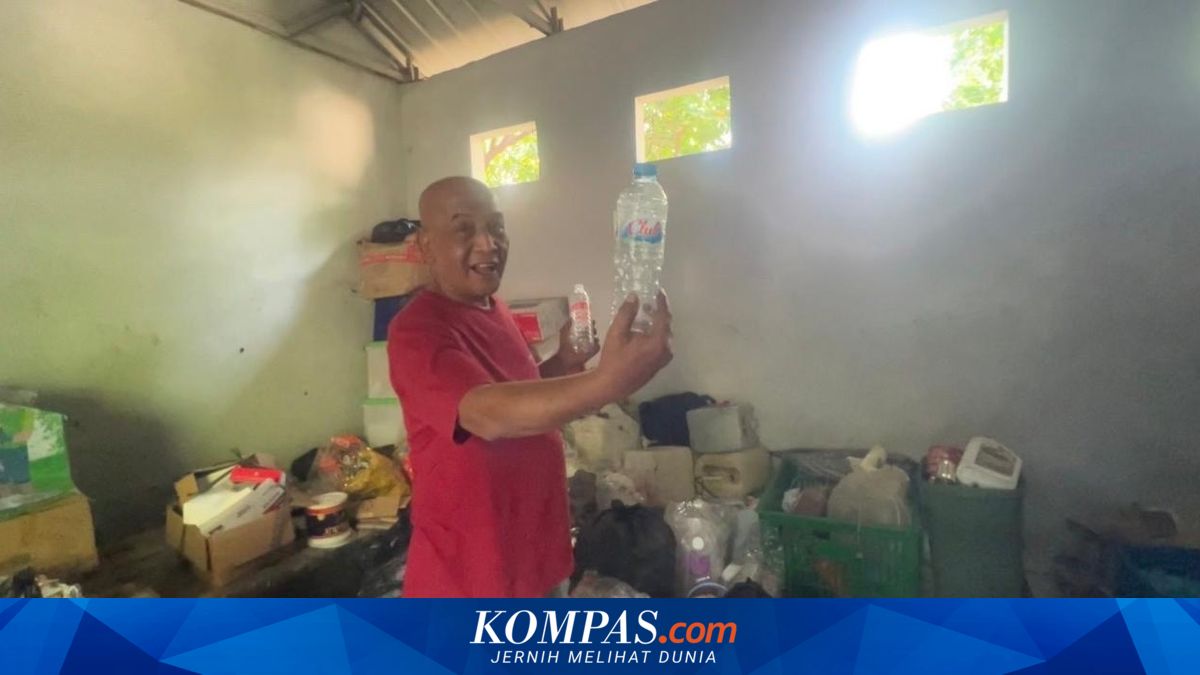
The lush trees welcome anyone entering RT 014 RW 006, Kebon Kosong, Central Jakarta. The narrow alleys in the area appear cleaner compared to other densely populated settlements in Jakarta. The neighbourhood is known as Kampung Edukasi Wisata or Eduwisata Bhinneka, a community-based waste bank that has been striving to change residents’ perceptions of waste over the past 13 years. Plastic bottles, cardboard, used cooking oil, and household food waste are processed to gain economic value. Every day, residents sort waste from their homes. Plastic bottles, cardboard, used cooking oil, and other household waste are separated by type before being collected at the waste bank. The manager of Bank Sampah Eduwisata Bhinneka, Joko Sarjono (61), said that this change did not happen overnight. He admitted to facing old habits of residents who were accustomed to dumping and burning waste indiscriminately. “Our problem was inspired by the lack of waste processing in Jakarta; this must be realised, then the accumulation of waste, which causes outsiders to dump waste carelessly. Then residents like to burn waste, the smoke goes everywhere,” said Joko in conversation with Kompas.com on Tuesday (13/5/2026). That habit made Joko angry. One reprimand after another apparently did not change much. Waste still piled up and burning smoke still billowed almost every day. Finally, armed with his experience as an economics graduate, Joko along with the RT and RW officials created new rules. “If not done (sorting waste from home), the waste will not be collected,” said Joko.