
In Dialogue with Danantara, Culture Minister Wants Cultural Assets to Become Living Heritage
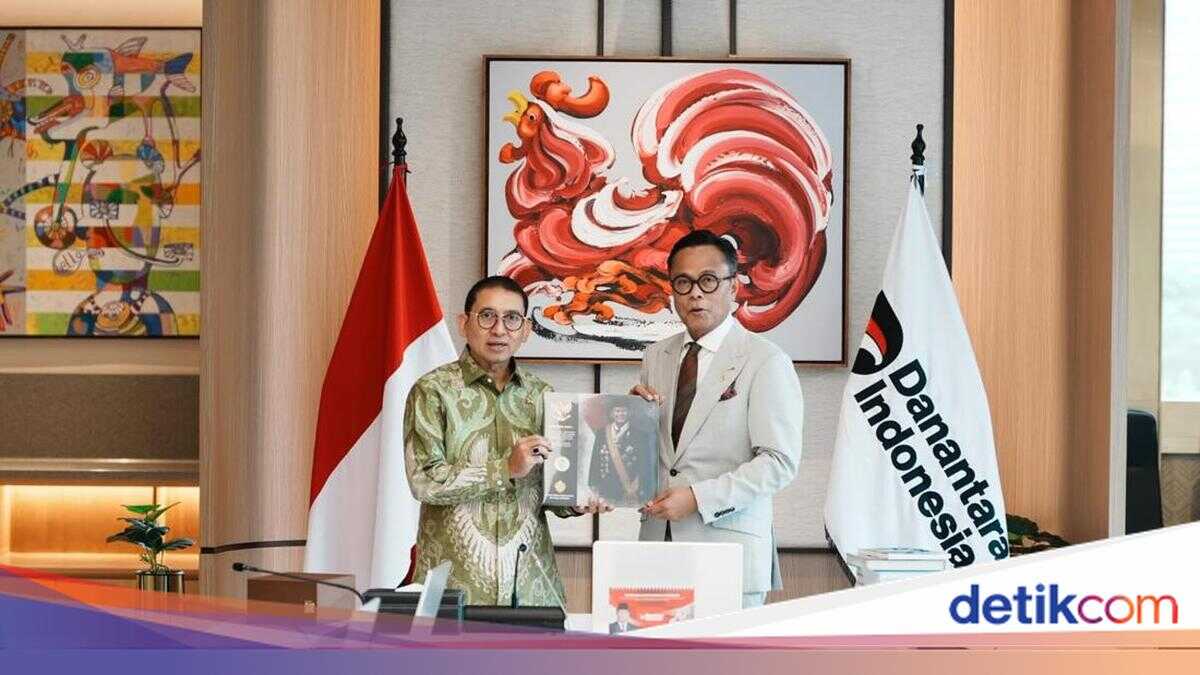
Culture Minister Fadli Zon has spoken of the importance of national cultural assets, arguing that Indonesia’s cultural heritage must become an economic force whose benefits are felt by both the state and the public.
“We want our cultural assets to become living heritage, not merely dead monuments. Heritage sites must deliver sustained economic, social, and cultural impact,” Fadli said in a written statement on Tuesday (24/2/2026).
He made the remarks during a dialogue with Danantara Chief Operating Officer Dony Oskaria at Wisma Danantara, Jakarta, on Monday (23/2). The two discussed collaboration to optimise national cultural assets for economic impact through the development of the cultural economy and creative industries.
Fadli noted that following the signing of a cooperation agreement on the management of the Borobudur area, the collaboration is expected to expand to Prambanan, Ratu Boko, and Plaosan Temple, which has recently completed infrastructure repairs.
He said improvements to public facilities in heritage areas need to be accompanied by strengthened governance and destination appeal through synergy with InJourney and entities under Danantara.
Beyond heritage site management, Fadli also highlighted support for Indonesia’s participation in the Venice Biennale 2026. He described 2026 as a milestone moment for Indonesia’s return, utilising exhibition space at a graphic arts school in Venice, Italy.
“The Venice Biennale is the world’s showcase. Every country has a pavilion. Indonesia must be present. This is not merely an exhibition but part of the cultural economy, as numerous financial transactions and international exposure take place there,” he said.
Fadli explained that in the initial phase, seven artists would be sent for a residency of approximately two months, along with seven other artists for cross-network national collaboration. The government is targeting Indonesia to have its own pavilion within two years.
He also touched on strengthening the national film ecosystem. Although Indonesian cinema audiences continue to grow, the availability of cinema screens in the regions is considered inadequate. Indonesia currently has around 2,500 screens, while the ideal requirement is estimated at 10,000. Fadli opened the possibility of collaboration with PFN and related entities for cinema development in districts and cities to broaden access and strengthen the film industry.
Discussions also covered the optimisation of the Proclamation Manuscript Museum on Jalan Imam Bonjol, Jakarta. Fadli proposed repurposing the former Jiwasraya building at the rear of the museum complex to expand its functions and strengthen the narrative of national history.
In response, Dony expressed Danantara’s support for strengthening the cultural sector, including participation in the Venice Biennale. He stressed the importance of measurable parameters and indicators in every collaboration.
“We need to establish clear KPIs and strategic messaging in every international participation. If packaged well with measurable success indicators, the impact will be much stronger,” Dony said.
Regarding Borobudur and its surrounding area, Dony affirmed a commitment to optimising cultural assets as a lever for the national economy and the welfare of surrounding communities. He assessed that integrated management is key to increasing appeal and visitor numbers, including strengthening flight connectivity to Yogyakarta and related destinations.
“We must maximise Borobudur and other destinations for Indonesia’s benefit. The optimisation of these assets is ultimately for the state and the people,” he stressed.
Dony also expressed readiness to support technical coordination related to the development of the Proclamation Manuscript Museum.
The meeting was described as an initial step in strengthening synergy between the Ministry of Culture and Danantara in advancing culture as a pillar of the future economy. Cross-sector collaboration is expected not only to preserve cultural heritage but also to strengthen its contribution to the national economy and Indonesia’s position on the global stage.
The meeting was also attended by Deputy Culture Minister Giring Ganesha Djumaryo, Director-General of Cultural Diplomacy, Promotion and Cooperation Endah T.D. Retno Astuti, Director-General of Cultural and Traditional Protection Restu Gunawan, Director-General of Cultural Development, Utilisation and Guidance Ahmad Mahendra, Danantara Managing Director (Operational Holding) Febriany Eddy, and Danantara officials.