
In-Depth Analysis of Electric Vehicle Tax Incentives and Their Impact in Indonesia
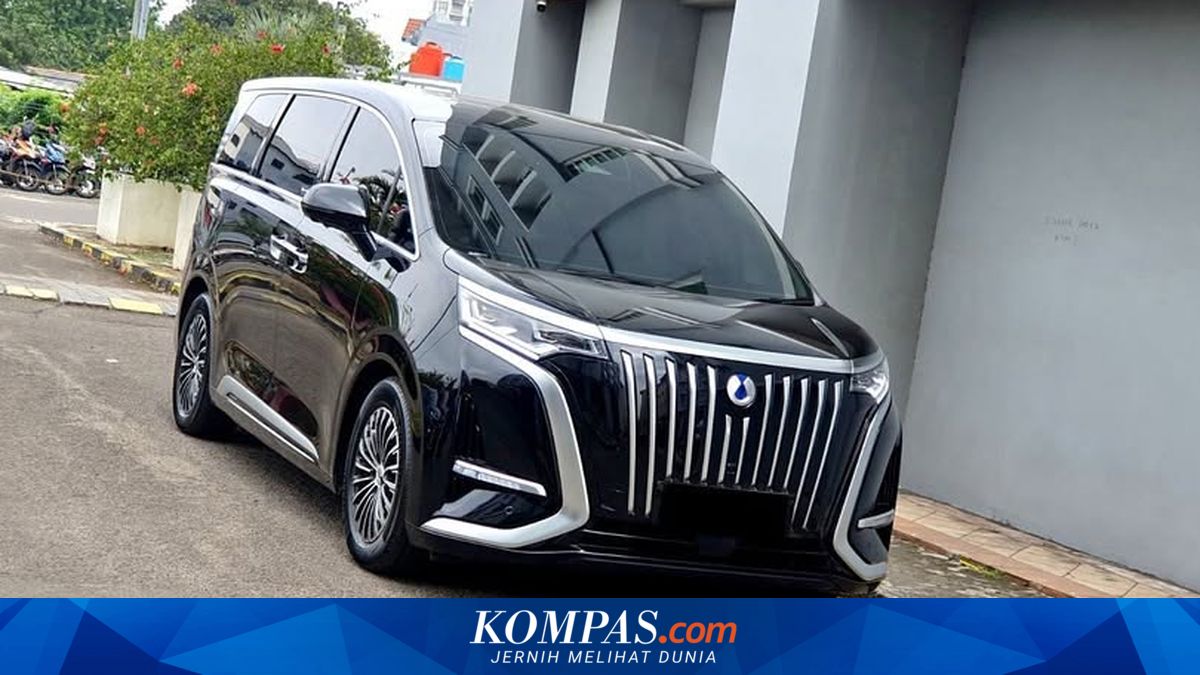
JAKARTA, KOMPAS.com - The annual cost of owning an electric vehicle in Indonesia could potentially be as low as Rp143,000 if local governments implement exemptions for the Motor Vehicle Tax (PKB) and Re-registration Fee (BBNKB), as encouraged by the Ministry of Home Affairs under Tito Karnavian. This figure represents the minimum cost that vehicle owners must still pay, specifically the Compulsory Contribution Fund for Road Traffic Accident Victims (SWDKLLJ), while the main vehicle taxes could reach zero rupiah under a full incentive scheme. However, the implementation of this policy is not uniform, as it lies in the hands of each governor. This means the annual vehicle costs for electric vehicles still heavily depend on local decisions, whether to apply full exemptions or only tax reductions. In a scenario without incentives, electric vehicles are still subject to PKB and BBNKB like regular vehicles. For illustration, several electric cars in the price segment around Rp200 million, such as the BYD Atto 1 and Geely EX2, fall into the entry-level category for urban electric vehicles. Without incentives, vehicles in this class could have an annual tax burden of around Rp4 million to Rp6 million, depending on the vehicle’s selling value and local policies. Meanwhile, in the premium segment like the Denza D9, an electric MPV priced around Rp900 million, the annual tax burden could reach approximately Rp16 million to Rp19 million if following the standard motor vehicle tax scheme. This difference shows that tax exemption incentives have a significant impact on the annual ownership costs of electric vehicles, especially between the entry-level and premium segments. Automotive observer Hendra Noor Saleh views the electric vehicle tax exemption policy as aligned with the direction of developing the national automotive industry, which is pushing for a transition to clean energy. According to him, although there have been dynamics in regulatory changes, the latest government policy encouraging tax exemptions demonstrates consistency in that direction. “This is consistent with the government’s spirit that it is indeed the era of electric vehicles,” said Hendra to Kompas.com on Friday (24/4/2026). He assesses that electric vehicles have several advantages, particularly in terms of operational cost efficiency, fewer components, and potential energy savings compared to fossil fuel vehicles. Hendra also highlighted that operational cost efficiency is one of the main factors driving the adoption of electric vehicles, even without considering tax incentives alone.