
Import of 105,000 Pickup Trucks from India Raises Questions about Domestic Automotive Industry Readiness
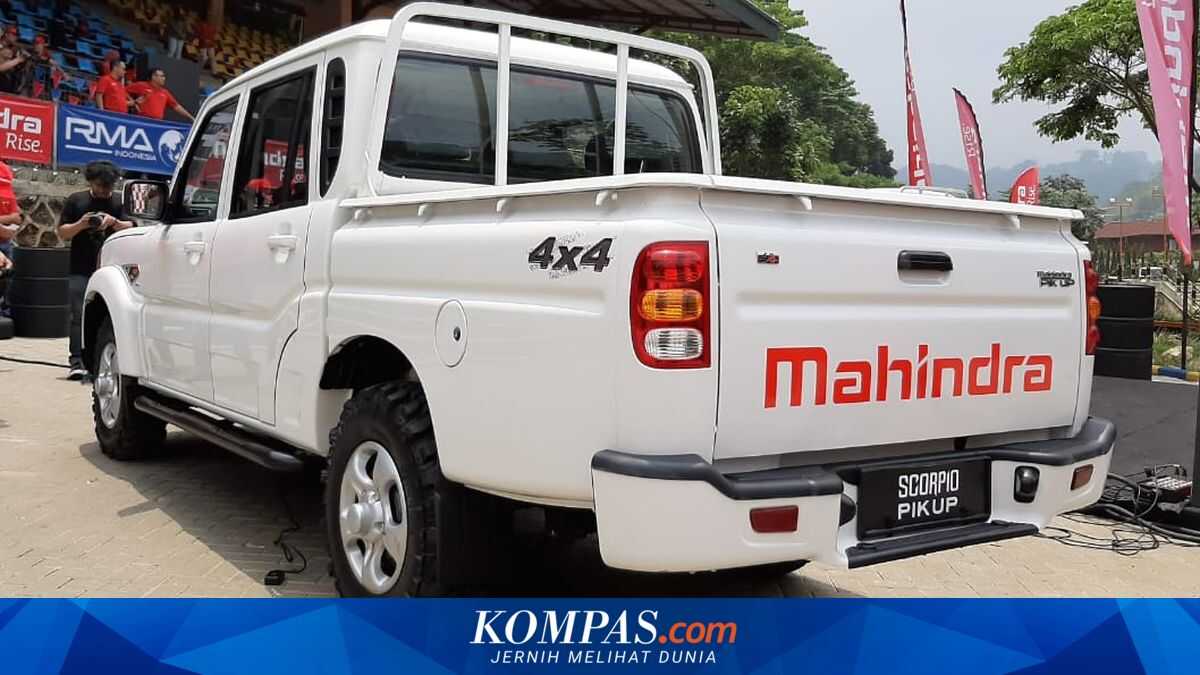
Jakarta — The Minister of Cooperatives Ferry Juliantono has addressed plans to import 105,000 vehicles from India for the operations of Village and Kelurahan Merah Putih Cooperatives (KDKMP).
Ferry stated that he had received an explanation from PT Agrinas Pangan Nusantara (a state-owned enterprise) regarding the limitations of the domestic automotive industry in meeting this requirement.
“We had discussions yesterday where PT Agrinas Pangan Nusantara confirmed they had consulted with the domestic automotive industry and received confirmation that the readiness of our automotive industry—from several brands—could only provide tens of thousands of units,” Ferry said during the Rosi programme on Kompas TV on Thursday, 26 February 2026.
“Considering the lower prices and other factors mentioned by PT Agrinas Pangan Nusantara,” he added.
Nonetheless, Ferry explained that his ministry had listened to perspectives from various stakeholders including the Indonesian Chamber of Commerce and Industry (KADIN), domestic automotive manufacturers, and labour unions regarding the plan to import 105,000 pickup trucks from India.
“They suggested that the vehicle procurement could also accommodate the domestic automotive industry,” Ferry stated.
Joao Angelo De Sousa Mota, Chief Executive of Agrinas, said the company did not simply disregard brands already producing locally. In fact, almost all major players were invited, sat down together, negotiated, and formal minutes of meetings were prepared.
Joao even presented documents and photographs of meetings as evidence that the process followed proper procedures.
“You can see this—this is Isuzu’s meeting minutes, and in accordance with procurement procedures, we conducted procurement following standard practices, which included clarification, qualification, negotiation, and ultimately there should be an agreement,” Joao said during a press conference in Jakarta on Tuesday, 24 February 2026.
“The price should be more effective and more rational, meeting the budget we had prepared. However, by the end it turned out that many local producers, perhaps due to their dominance for decades, tend to feel that bulk purchasing is not for them and continue to calculate on a per-unit basis,” he added.
From that point, Agrinas partnered with an Indian manufacturer to meet the demand for 4x4 pickup trucks and lorries in large quantities.
For Agrinas, the decision to import was not about closing the door to domestic industry, but rather the final outcome of a series of invitations, negotiations, and figures that did not align. According to them, the final business decision was made based on these circumstances.