
Implementation of WFH for Civil Servants in the First Week Proceeds Smoothly, Government Continues Evaluations
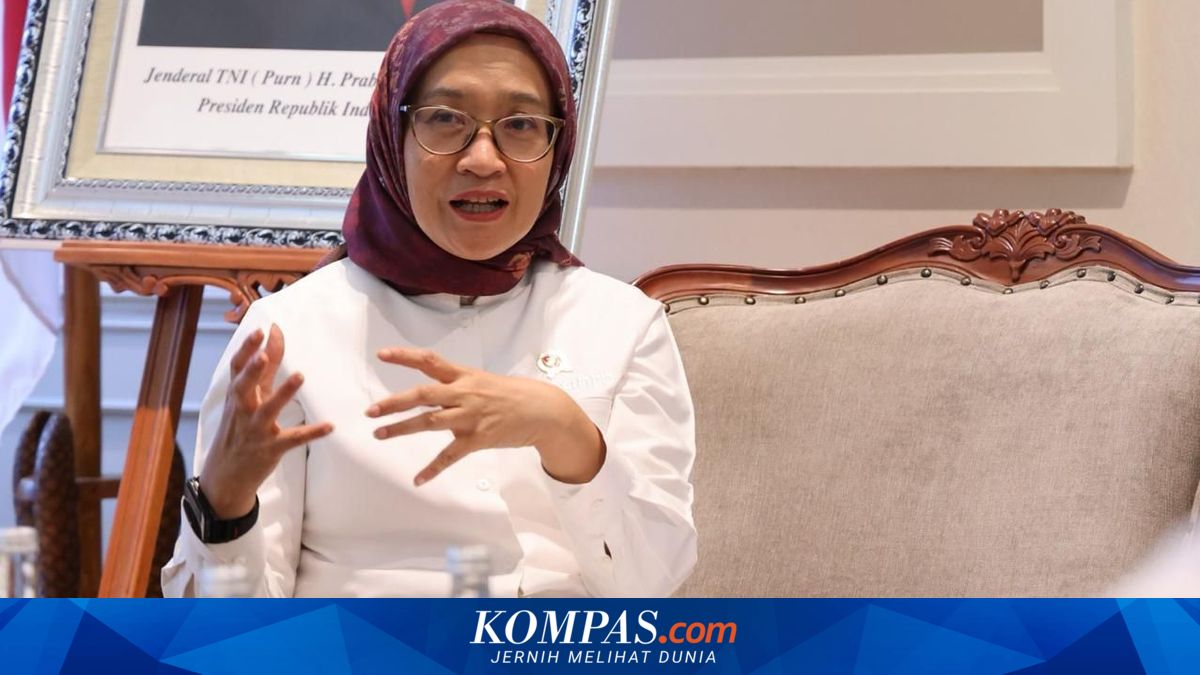
The implementation of the work-from-home (WFH) policy for civil servants (ASN) in the first week has shown quite encouraging results. The government assesses that the implementation of this policy has proceeded smoothly.
Minister for State Apparatus Utilisation and Bureaucratic Reform (PANRB) Rini Widyantini stated that overall, the application of WFH in central government agencies has proceeded in accordance with the policy.
“So far, our notes show a quite encouraging picture. The implementation in central government agencies has been conducive and able to maintain performance. This is also part of the experience we have undertaken throughout the previous COVID-19 pandemic,” she said in a press release received by Kompas.com on Tuesday (14/4/2026).
Rini added that ministries and agencies have quickly adapted to a work pattern based on the characteristics of official duties and performance achievements oriented towards output and outcome.
Rini emphasised that public services remain the top priority in the implementation of this policy. Based on monitoring through public satisfaction surveys and complaint channels in each agency, essential services continue to operate normally.
“What is our top priority and this cannot be negotiated is that public services continue to run well. Essential services and those that directly impact the public continue to operate and do not stop, including for vulnerable groups,” Rini explained.
Nevertheless, the government has noted several matters that still need improvement, including the uneven readiness of digital infrastructure in each agency, as well as the adjustment process in mapping types of work that can be done flexibly and those that must still be carried out face-to-face.
Regarding implementation in the regions, coordination continues with local governments (pemda) in accordance with the authority of the Ministry of Home Affairs (Kemendagri), which has its own technical guidelines for regional ASN.
Furthermore, Rini affirmed that evaluation over one week is not sufficient to draw comprehensive conclusions. Evaluation of this policy will be conducted periodically every two months, with the first evaluation scheduled for June 2026.
“Each agency is obliged to report organisational performance achievements, ASN performance, energy efficiency, and the quality of public services. From there, we will use it as a strong data base to carry out adjustment steps if necessary,” Rini revealed.
“In essence, we are optimistic but remain vigilant. Bureaucratic work culture transformation is a process, not a one-time event. We will continue to monitor to ensure that the goals of governance transformation, energy efficiency, and environmental preservation can be achieved in the long term,” Rini stated.