
Implementation of PP Tunas Strengthened Through Digital Literacy
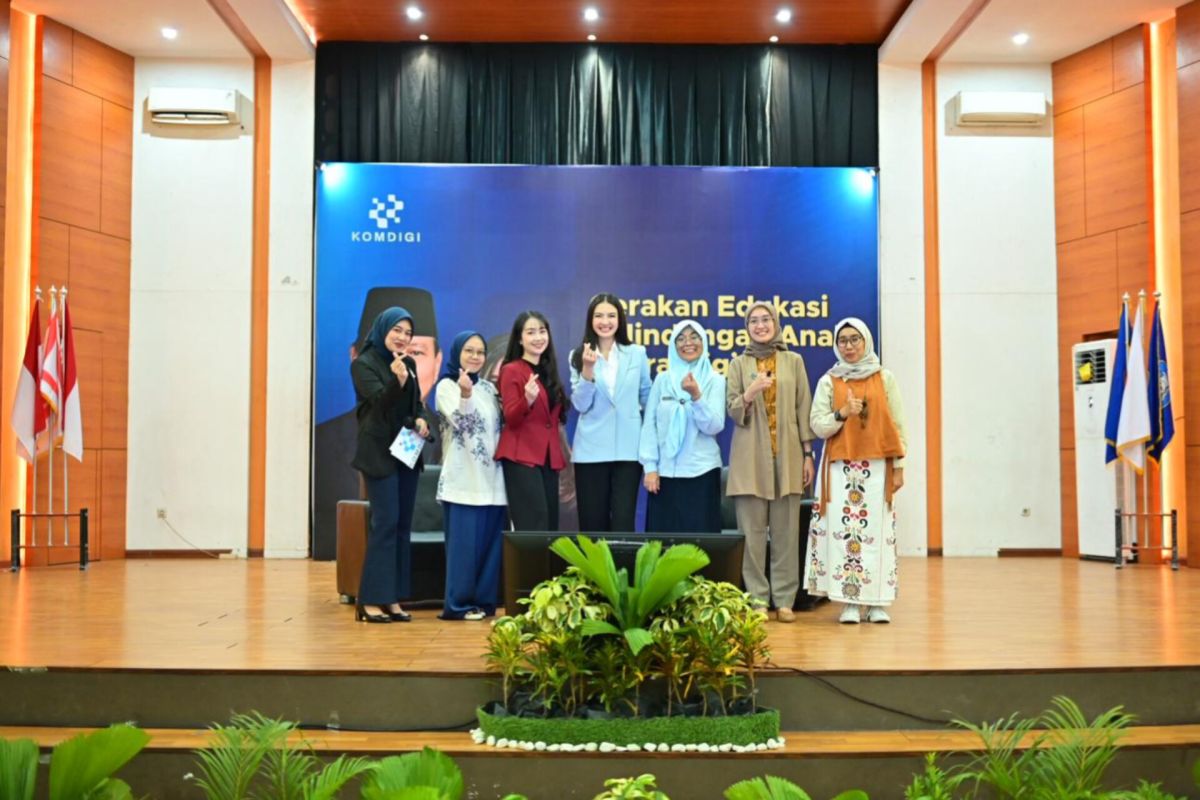
Jakarta — Indonesia’s Special Staff to the Minister of Communication and Digital Affairs for Global Partnerships and Digital Education, Raline Shah, has stated that the implementation of Government Regulation No. 17 of 2025 concerning the Protection and Governance of Electronic Systems for Child Protection (PP Tunas) can be significantly strengthened through complementary digital literacy programmes.
According to Shah, digital literacy must be introduced to children from an early age and requires support from multiple stakeholders, particularly families and educational institutions.
“Our responsibility is not merely to restrict access, but also to equip young people with robust digital literacy so they can use technology safely, healthily, and productively,” Shah said in a statement received in Jakarta on Wednesday.
The initiative involved 200 participants from among students, educational communities, and educators. It forms part of broader efforts to strengthen public awareness, particularly amongst educators, parents, and communities, about the importance of protecting children in digital spaces.
Shah revealed various concerning dynamics in digital spaces involving children. These data points were among the reasons the Government introduced PP Tunas to protect children in this increasingly digital era.
Survey data showed that approximately 60 per cent of Gen Z youth have engaged in impulsive online shopping. This situation makes them increasingly vulnerable to various forms of digital manipulation, as platforms are deliberately designed to encourage rapid financial decision-making.
Additionally, data from the Indonesian Internet Service Providers Association (APJII) revealed that approximately 22 per cent of internet users have experienced fraud in digital spaces, demonstrating that the risk of online scams is substantial.
Regarding digital literacy, Shah reminded students to remain cautious when interacting in digital spaces just as they would in physical settings. Students must maintain a sense of responsibility whilst in digital environments, particularly on social media platforms that rely on communication as their core service.
Through an initiative combining the roles of government, parents, schools, and children, the implementation of the PP Tunas policy is expected to become increasingly effective.
This comprehensive collaboration is hoped to foster a generation of digitally intelligent, ethical, and responsible citizens—not merely proficient with technology, but also capable of mature mental thinking when interacting in digital spaces.