
Implementation of Neuro-affirming Approach in Child Support Practices
Indonesia needs more inclusive education services. Data from the World Health Organization (WHO) shows that 1 in 100 children experience Autism Spectrum Disorder (ASD). The Ministry of Health estimates that around 2.4 million children in Indonesia are on the autism spectrum—a figure that underscores the importance of an education system that can accommodate diverse learning needs. However, access to integrated programs that combine academic learning and therapeutic support is still limited. Many families struggle to find services that understand children’s social-emotional development comprehensively, rather than just academic achievement.
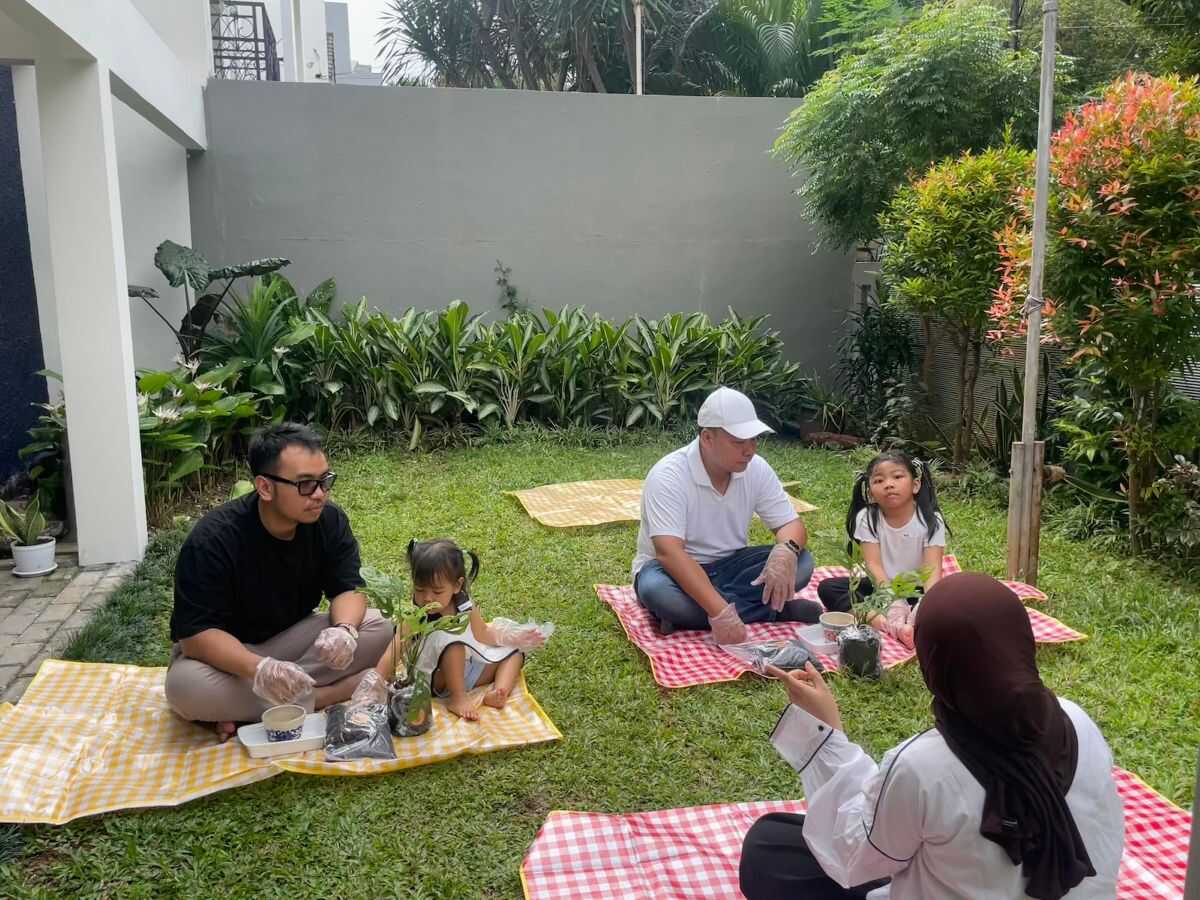
Atelier of Minds (AoM), an inclusive after-school care and enrichment center in South Jakarta, has signed a memorandum of understanding with Agape Psychology, a Singapore-based psychology clinic. This collaboration aims to strengthen inclusive enrichment services by integrating the neuro-affirming approach, which is developing in Singapore, into child support practices in Indonesia.
The collaboration between Atelier of Minds (AoM) and Agape Psychology is described as an effort to address this gap. Through this collaboration, AoM will strengthen its inclusive approach by adopting neuro-affirming practices from Singapore, which emphasize understanding different learning styles and more individualized learning strategies to build children’s confidence from an early age. Co-founder of Atelier of Minds, Chatrine Hogan, said that the vision of embracing neurological diversity is the foundation of this collaboration. “We founded Atelier of Minds as a safe space for every child, so that they can be understood and appreciated regardless of their learning style,” she said.
According to Chatrine, the need for a learning environment that not only accommodates but also embraces diversity is becoming increasingly urgent. “Through collaboration with Agape Psychology, we learn from the framework of an inclusive environment in Singapore that has been working well. We hope that we can not only contribute to the development of children, but also help parents and teachers have a better understanding and more confident practices in supporting young people with diverse needs,” she said.
This collaboration is not only focused on strengthening internal capacity. AoM also plans to hold a series of workshops for parents, which will be guided by senior psychologists from Agape Psychology. Through these sessions, parents will be equipped with an understanding and practices based on the neuro-affirming approach to support children’s emotional needs and development at home, so that there is continuity between the learning environment and the family.
The Agape Psychology team has more than a decade of experience in the public and private sectors in Singapore, and is known for its empathetic and neuro-affirming approach. In this collaboration, Agape’s team of clinical psychologists and registered educational psychologists will work closely with AoM to develop curricula, train staff in early intervention techniques, and create a more inclusive and beneficial environment for all students. Guitar classes are also held with a maximum of 3 students to maintain the quality of interaction.
“Every child and family deserves to live a meaningful life, and that journey begins with understanding and acceptance,” said Jeremy Ang, Director of Agape Psychology Clinic. “We are very excited to collaborate with the Atelier of Minds team, which has a positive vision. Our goal is to translate the neuro-affirming practices that we have developed in depth in Singapore into the Indonesian education system. This is not about implementing a foreign model, but about working together to build a sustainable and culturally sensitive framework, so that Indonesian children can develop well in terms of academics, social skills, and emotions.”
For parents in Jakarta, this collaboration is expected to expand the choice of more comprehensive educational support services. Not only focusing on academic achievement, but also on psychological safety and the social-emotional development of children. As awareness of neurodiversity issues increases in Indonesia, the need for environments that can accommodate diverse learning profiles is expected to continue to grow. (H-2)
Lestari Moerdijat said that fulfilling the rights of children with special needs and disabilities must continue to be intensified in various aspects of life, including in education.
The Sekolah Rakyat in Bekasi Regency is projected to be able to accommodate educational levels from elementary to high school.
The Ministry of Education and Culture, through the Directorate General of Vocational Education, Special Education, and Special Services Education, has affirmed its commitment to strengthening inclusive education services.
The Governor of Banten, Andra Soni, reiterated that the development of inclusive education is an important step to ensure justice for all people.
UMJ graduated 1,558 students in Period II of 2025, reaffirming its commitment to inclusive education, research based on SDGs, and readiness to face digital transformation.
Copyright @ 2026 Media Group - mediaindonesia. All Rights Reserved