
Implementation of Article 33 of the 1945 Constitution through single-window export mechanism
Jakarta (ANTARA) - On 20 May 2026, at the podium of the DPR Plenary Session, President Prabowo Subianto announced a major structural change that immediately moved markets, triggered emergency association meetings, and prompted the national commodities sector to recalculate its position.
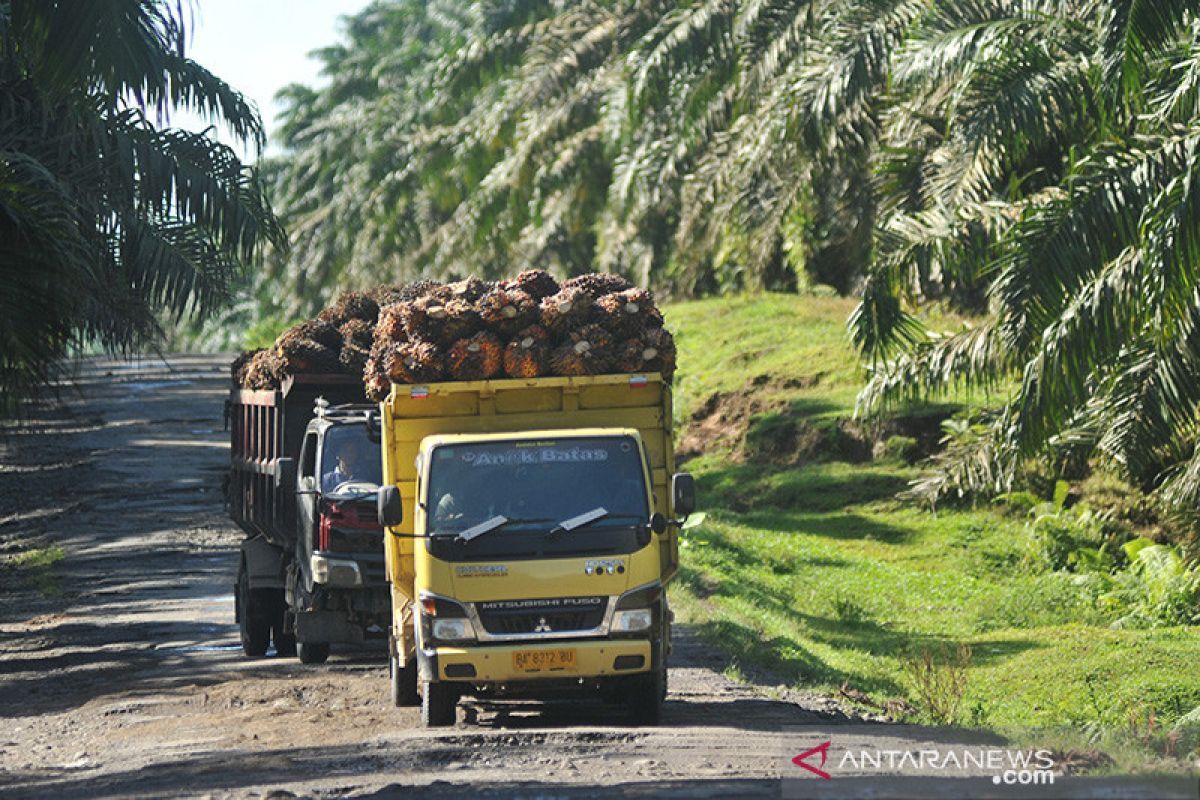
The Government issued a Government Regulation on Natural Resource Commodity Export Management, establishing state-owned enterprises (SOEs) as the sole exporter for crude palm oil (CPO), coal, and iron alloy commodities.
To execute this mandate, the government established PT Danantara Sumber Daya Indonesia, a newly incorporated company on 19 May 2026, with PT Danantara Investment Management holding 99 per cent of shares.
This policy stems from a longstanding concern that Indonesia is the world’s largest producer of several commodities, yet its receipts are disproportionate to its volume.
The primary objective of this policy is to eradicate under-invoicing practices, transfer pricing, and currency flight from export proceeds, whilst simultaneously optimising tax collection and state revenue from natural resource management. The President cited a figure of USD 150 billion annually as potential leakage previously undetected or, more accurately, uncaptured.
The Government has emphasised from the outset that this policy does not assume ownership or operational control of companies. The scheme employed is a marketing facility, with DSI acting as the sole sales channel, not a production manager. Private companies continue to manage the entire upstream process, from mining to processing plants, but all export transactions must pass through one gateway: PT DSI. Funds from international sales are subsequently returned to the commodity owner companies.
The affected commodities are limited to the raw extractive segment. Manufacturing, pharmaceutical, creative industry, and finished product sectors are excluded from this requirement. The Government plans to expand the arrangement to various other strategic natural resource commodities as part of national export governance reform, meaning CPO, coal, and iron alloy are merely the vanguard, not the final boundary of the policy.
Transition and implementation