
Impact of War: South Korea Cuts Fuel and Restricts Official Vehicles
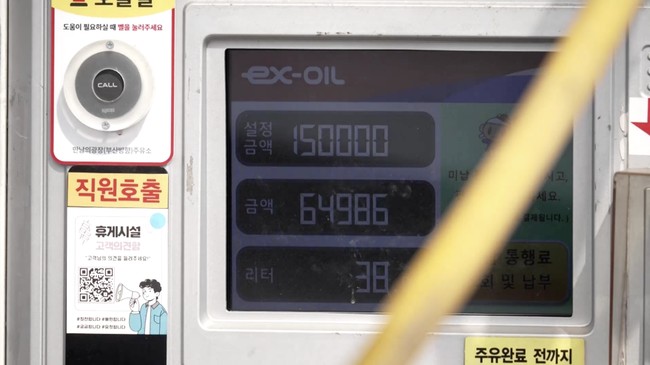
The South Korean government has begun tightening energy use by restricting official vehicle operations and cutting petroleum fuel (BBM) consumption. This policy is being implemented amid rising risks of global energy supply disruptions due to the conflict in the Middle East.
South Korean President Lee Jae Myung called for a national energy-saving campaign on Tuesday (24 March 2026). One of the main steps is reducing passenger vehicle use in public institutions as part of energy efficiency efforts.
“Currently, what is most important is not financial savings for the government, but quickly and effectively channelling funds to where they are most needed,” Lee stated during a cabinet meeting, as quoted by Reuters on Wednesday (25 March 2026).
Energy Minister Kim Sung-whan added that vehicle restrictions in the private sector remain voluntary for now. However, the policy could be tightened if the energy alert status increases.
In addition to vehicle restrictions, the government is encouraging the public to adopt 12 energy-saving measures. These include shorter showers, charging electronic devices and electric vehicles during the day, and limiting the use of household appliances such as washing machines and vacuum cleaners to weekends only.
The government will also ask the 50 largest oil-using companies to reduce energy consumption. Another step involves adjusting work commute hours to curb BBM use.
On the supply side, the government plans to optimise the national energy mix. This policy includes restarting five nuclear reactors from May, easing restrictions on coal-fired power plants, and accelerating renewable energy development to reduce reliance on liquefied natural gas (LNG).
These steps are estimated to save up to 14,000 tonnes of LNG per day, or about 20% of South Korea’s average daily consumption of 69,000 tonnes for power generation.
In the industrial sector, HD Hyundai Group has begun implementing similar measures, including voluntary vehicle use restrictions, plastic reduction, and electricity efficiency such as turning off lights.
Pressure on global energy supplies is increasing due to the conflict between Iran and the United States (US) and Israel, which is disrupting oil distribution, particularly in the Strait of Hormuz. South Korea itself imports about 70% of its crude oil through that route.
Although it has reserves of around 190 million barrels of oil, analysts believe this amount may not suffice in the long term. With daily consumption reaching 2.9 million barrels, the reserves are estimated to support needs for less than two months if supply disruptions persist.
As a precautionary measure, the South Korean government is also preparing an additional budget of 25 trillion won, or approximately Rp295 trillion. These funds will be used to support economic stimulus, including direct aid to the public and support for businesses.
At the same time, Seoul has secured a commitment for 24 million barrels of oil supply from the United Arab Emirates (UAE), although the delivery schedule has not yet been confirmed.