
Impact of US-Israeli Aggression Against Iran: UK, France, and Germany Highlight Their Respective Concerns
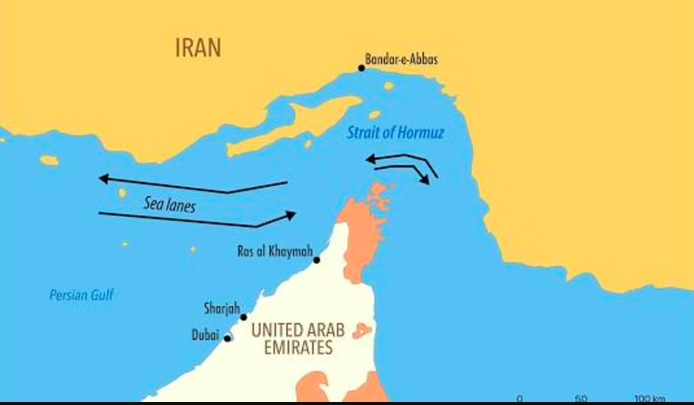
The French Government will deploy two frigates as part of the European Union’s naval mission Aspides in the Red Sea. “We are in the process of preparing a mission that is purely defensive and protective in nature, which must be prepared together with European and non-European countries,” said French President Emmanuel Macron after meeting with Cypriot President Nikos Christodoulides and Greek Prime Minister Kyriakos Mitsotakis in Cyprus.
Meanwhile, German Chancellor Friedrich Merz highlighted concerns regarding rising energy prices as a consequence of the conflict. “We are concerned about energy price developments. We know that this has the potential to impact the German economy,” said Merz at a press conference. The previous week, Merz stated his support for US-Israeli military action against Iran during his visit to the White House, but said he hoped the conflict would end soon as the attacks are detrimental to the global economy.
Reports from the United Kingdom revealed that the FTSE 100 index declined by nearly 200 points, or approximately 2 per cent. The situation was more severe in Germany, where the DAX index fell 2.3 per cent. Markets are currently anticipating potential interest rate increases due to inflation pressures.
The British public will expect decisions on this matter within the coming weeks and months from the Bank of England. This will make borrowing costs for businesses and homeowners more expensive, and will also increase costs for the government to borrow money. British government bonds have experienced considerable increases since the crisis began, making day-to-day government operations increasingly difficult.
British Prime Minister Keir Starmer and US President Donald Trump finally spoke by telephone amidst diplomatic tensions regarding attacks on Iran. Starmer formally authorised the United States to use British military bases for defensive operations against Iran, despite criticism from Trump. No formal requests had been made by Friday 27 February that could serve as a basis for the decision-making process.
This move was taken as the US pursues a joint campaign with Israel against Iran. French President Emmanuel Macron announced a major transformation of France’s nuclear deterrence policy, with eight European nations set to join the “Advanced Deterrence” strategy. He also expressed solidarity with Spain following Trump’s threat to end trade relations due to Spain’s refusal to allow use of its military bases for attacks on Iran.
Two Iranian drone attacks triggered a fire at Al Salam Abu Dhabi military base, which houses French forces. The United Arab Emirates confirmed there were no casualties. The largest US defence companies have agreed to quadruple production capacity.