
Impact of US-Israel-Iran Conflict on Global Food Security
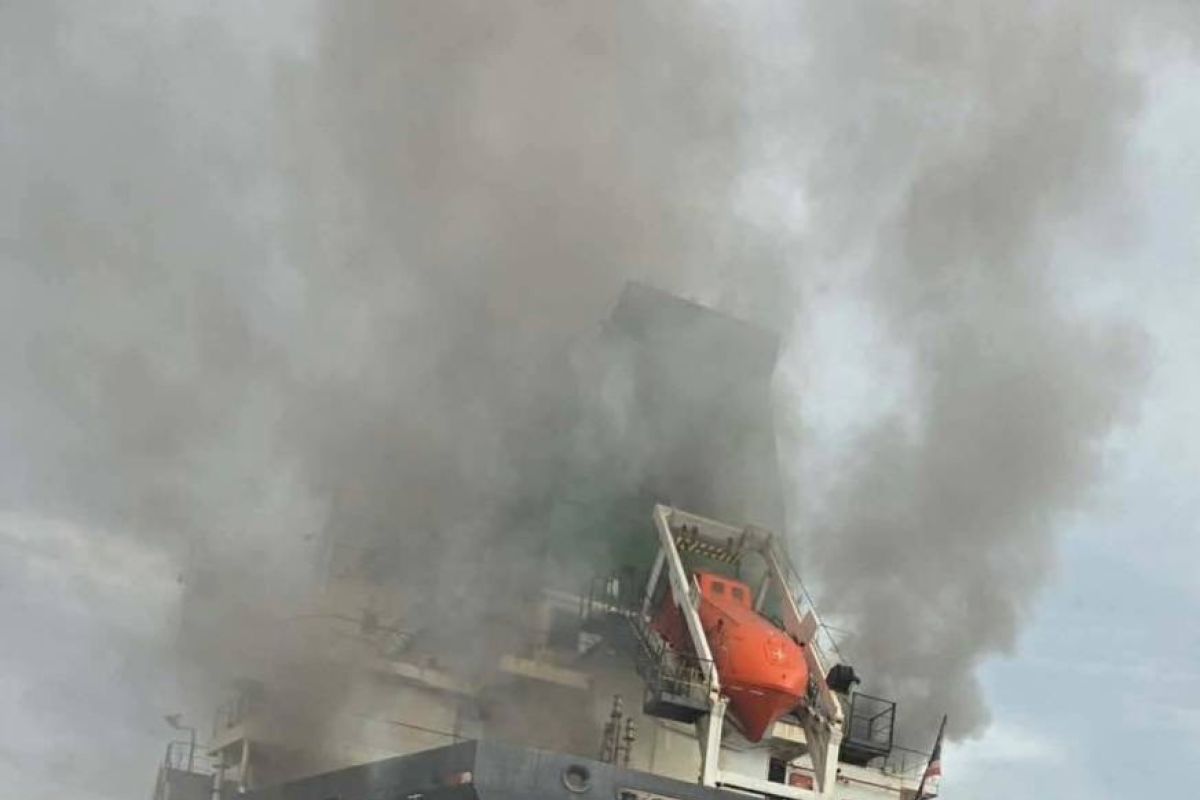
Cairo – The ongoing conflict between the United States, Israel, and Iran is sending shockwaves throughout the world and affecting various sectors. As attacks between the warring parties continue, shipping through the Strait of Hormuz, a crucial and strategically important global transport route, is experiencing severe disruption. Beyond the energy and shipping sectors, global food supplies are now being impacted, as evidenced by sharp spikes in food prices and warnings from United Nations agencies.
How is the crisis affecting food production?
The Gulf region not only produces much of the world’s fertiliser but also supplies key raw materials, with approximately one-third of global fertiliser trade by sea passing through the Strait of Hormuz. Because transport through the Strait of Hormuz is largely disrupted, natural gas, which is a key raw material for nitrogen fertiliser production, is becoming difficult to ship to major agricultural-producing nations such as Brazil and Sudan. Meanwhile, fertiliser manufacturers in India and Pakistan are also struggling to obtain raw materials.
Phosphate fertiliser is facing similar disruptions. Gulf countries account for roughly one-fifth of global phosphate fertiliser output and one-quarter of global sulphur supplies, a petrochemical by-product used to process phosphate. With exports largely halted, this supply shock is reverberating widely across fertiliser markets.
The timing of this crisis is making the situation worse. Throughout the Northern Hemisphere, from Europe to North America, farmers typically purchase fertiliser in March for use in April and May. Fertiliser shortages can force farmers to reduce usage or switch to crops requiring fewer external inputs – decisions that can trigger reduced yields several months later.
Modern agriculture is heavily dependent on fossil fuels. Oil and natural gas power tractors, irrigation systems, and grain dryers. Both also form the foundation of fertiliser production, food processing, refrigeration, and transportation. Even packaging materials, from plastic wrapping to storage containers, are derived from petrochemical products.
Global fertiliser prices have surged approximately one-third since the conflict began. Plastic futures contracts have also risen sharply, with chemical giant BASF announcing price increases of up to 20 per cent for key plastic additives worldwide. Higher fuel prices are also driving up transportation and logistics costs, which directly affect the food supply chain.
“If this crisis continues, food transportation and processing costs will likely rise further, and agricultural inputs such as fertiliser may become scarce,” said Samina Sultan, an economist at the German Economic Institute, warning that “supply risks could push up agricultural product costs, ultimately causing price increases in supermarkets and triggering a new round of inflationary pressure.”
The United Nations has cautioned that rising food and energy prices will have the most severe impact in developing countries and amongst low-income families, where food expenditure makes up a large proportion of total spending. “The conflict has directly impacted food security in the Middle East. In Lebanon, large numbers of internally displaced persons have emerged amid a population that has struggled with high levels of food insecurity for several years,” said the World Food Programme (WFP) in its latest report.
Humanitarian operations are also under strain. “Longer delivery routes and congestion threaten WFP’s ability to reach vulnerable populations quickly, increasing the risk that people will wait longer for aid and face worsening food insecurity and malnutrition,” the report added.
As the crisis intensifies, what was initially a regional conflict over energy and geopolitics has transformed into a threat to global food supplies, with consequences measured not only in barrels of oil but also in empty plates.