
Impact of the Hormuz Strait Blockade as Asian Energy Companies Cut Output and Declare Force Majeure
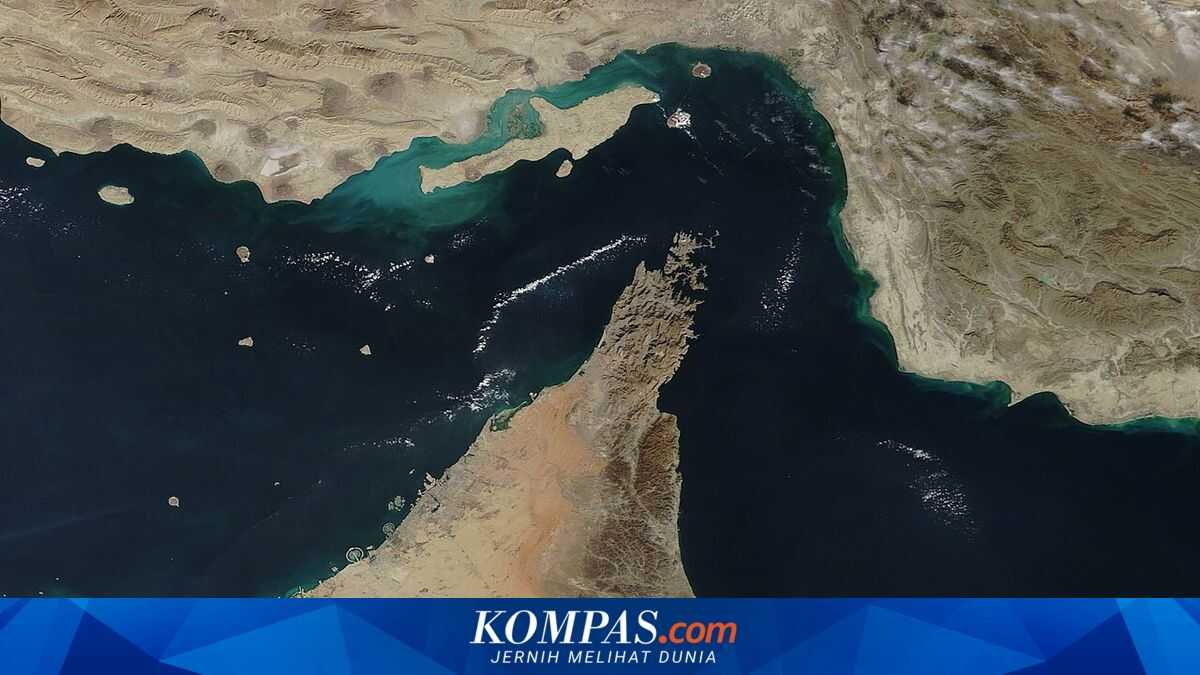
Disruptions in Middle East oil supplies are starting to affect the energy industry in Asia following the United States and Israel’s conflict with Iran. Several refineries are cutting production, while some petrochemical companies have declared force majeure as feedstock supplies are disrupted. The conflict is disrupting energy shipping routes through the Strait of Hormuz, which handles around a fifth of global oil trade. The impact is starting to be felt in several Asian countries. Companies are also expediting maintenance schedules for facilities in response to the uncertainty of Middle East crude supplies. Another refinery, Fujian Refining and Petrochemical Co (FREP), which is backed by Saudi Aramco, has also shut a crude processing unit with a capacity of 80,000 barrels per day. The shutdown is in place for an undetermined period, according to two industry sources. Traders reckon that independent refineries in China still have enough supply to cope with short-term disruptions. That supply comes from purchases of Iranian and Russian oil, which had previously peaked, as well as large government stockpiles. The Chinese authorities are also reported to have asked companies to delay signing new contracts for refined fuel exports, and to attempt to cancel shipments already agreed. In South Korea, petrochemical company Yeochun NCC reduced production and declared force majeure on its supplies after it could not receive naphtha feedstock due to disrupted shipments through the Strait of Hormuz. The information was obtained from sources familiar with the situation as well as company letters reviewed by Reuters.