
Impact of the Fed Holding Interest Rates: Economist Says It Makes the Rupiah Vulnerable
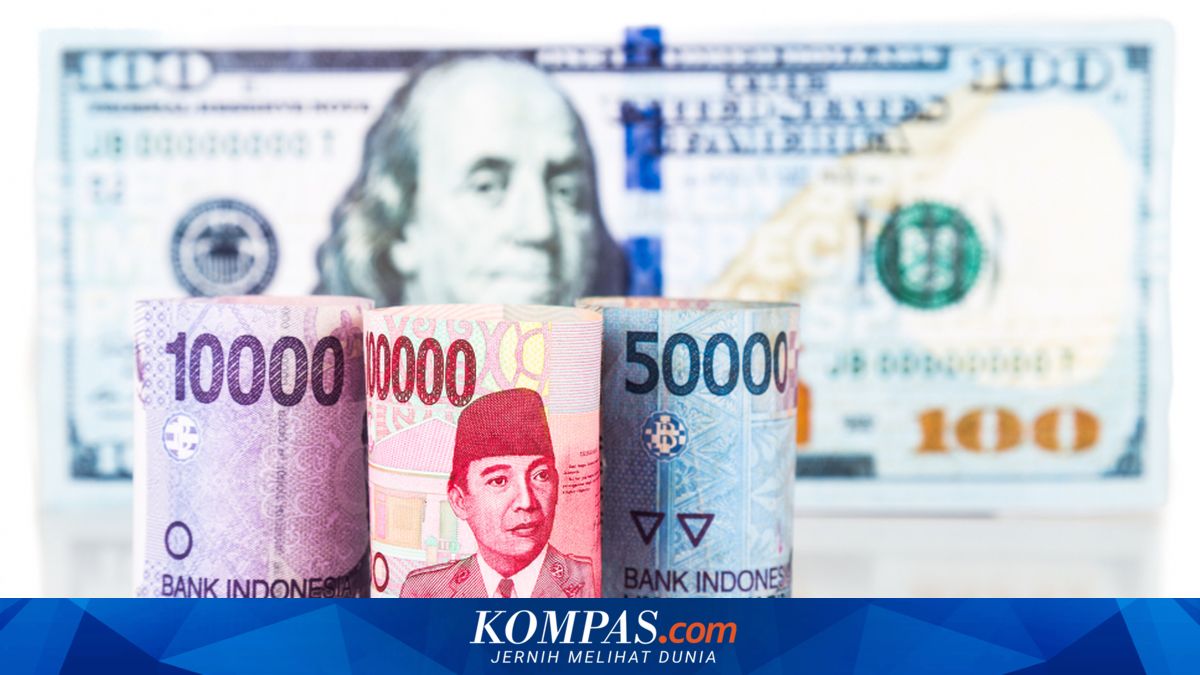
JAKARTA, KOMPAS.com - The US Federal Reserve, or the Fed, decided to keep its benchmark interest rate stable on Wednesday local time. This is because policymakers are attempting to address inflation figures higher than expected, mixed signals in the labour market, and conflict in the Middle East. Chief Economist at Permata Bank, Josua Pardede, stated that for the rupiah exchange rate, this has a somewhat burdensome impact in the short term because the US dollar remains strong while its interest rates have not yet fallen. “Especially if global tensions continue to drive demand for the dollar,” he told Kompas.com on Friday (20/3/2026). This is because global uncertainty and inflation concerns typically make gold sought after as a hedge. “Although its rise could be capped if the dollar becomes too dominant,” he added. Josua explained that in Indonesia’s capital markets, pressure may still be felt on shares and bonds because foreign funds will be more selective, global funding costs remain high, and appetite for risk has not fully recovered. In fact, according to him, the room for interest rate cuts in Indonesia is practically closed if average oil prices reach US$75 per barrel and the rupiah averages around 16,750 per US dollar. Meanwhile, the risk of renewed tightening emerges if oil prices exceed US$80 per barrel and the rupiah moves towards 17,000. “In other words, the most likely combination in the near term is a vulnerable rupiah, gold still attractive, and domestic capital markets moving cautiously with high volatility,” Josua clarified. For Indonesia, the US decision to hold interest rates makes Bank Indonesia’s manoeuvring room narrower. The interest rate differential with the US must remain sufficiently attractive so that foreign funds do not easily exit and the rupiah is not further pressured. According to Josua, this is the condition that has Bank Indonesia also holding its interest rate at 4.75% and increasingly emphasising efforts to stabilise the rupiah exchange rate. “We assess that the room for interest rate cuts in Indonesia in 2026 is now increasingly limited due to rising global risks, increased risk premiums on Indonesian assets, larger fund outflows, and the rupiah under pressure,” he said. In other words, if US interest rates remain high for longer, Indonesia’s policy focus will likely remain on exchange rate stability and financial market resilience, rather than rapid easing.