
Impact of Strict Inspections at Suwung Landfill: Residents Begin to Comply with Waste Sorting
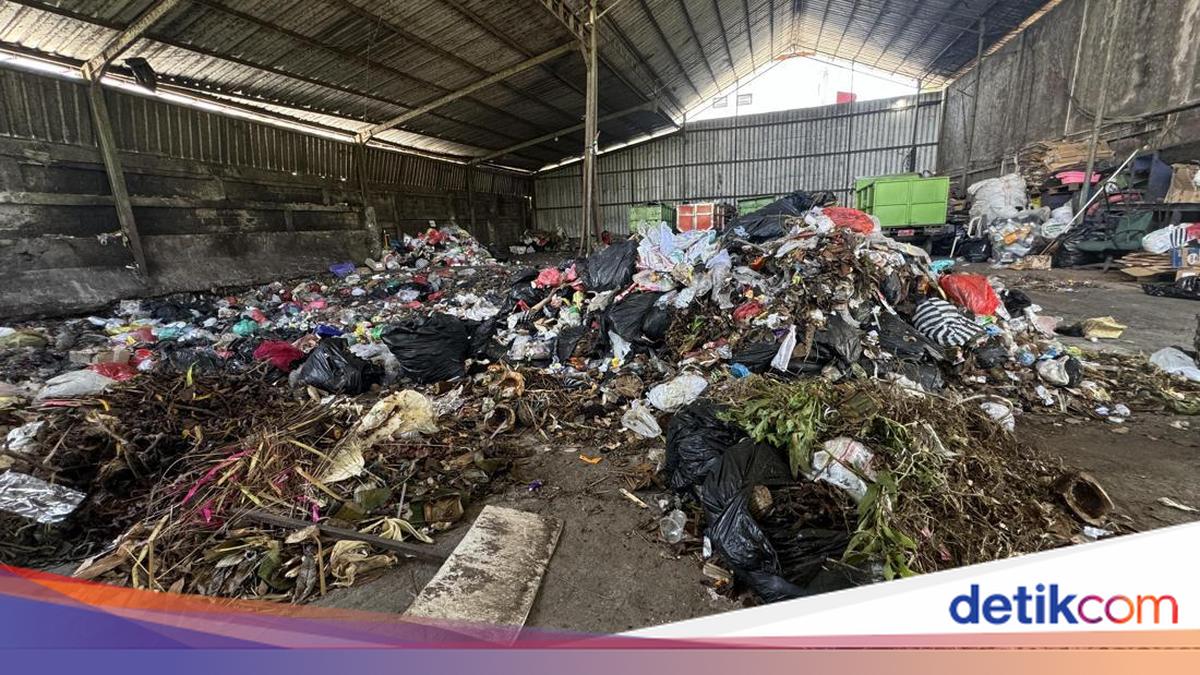
The implementation of strict inspections at the Suwung landfill since Wednesday (1 April 2026) has had a significant impact on waste management patterns in Denpasar City. The policy of rejecting organic waste has prompted the public to become more disciplined in sorting their rubbish.
Several rubbish transport trucks found carrying mixed waste were turned away when attempting to dispose of their loads at the Suwung landfill. This situation has driven changes in public behaviour, encouraging sorting at the source.
The Reduce, Reuse, Recycle Waste Processing Site (TPS 3R) Cemara in Sanur Kaja Village has been one of the entities feeling the effects of this policy. The Coordinator of TPS 3R Cemara, Nyoman Suandiana, revealed that they initially faced rejections due to organic waste still being present in the loads.
“The residents in Sanur Kaja are really stubborn. They’ve been instructed to sort, and they claim it’s already sorted when collected. But when unloaded, only the top layer is inorganic plastic, while the bottom is all organic,” explained Nyoman Suandiana, Coordinator of TPS 3R Cemara in Sanur Kaja Village, when interviewed by detikBali on Thursday (2 April 2026).
Currently, TPS 3R Cemara is working to operate a shredding machine to optimise the management of organic waste. In the meantime, temporary handling involves burying the organic waste on the site.
“The plan is to bury the organic waste; we’ll bury it, cover it with soil, and then concrete over it. This area will be repaired later. For now, we’re only accepting from Sanur Kaja Village; once the machine is operational and we’re short on waste, we’ll open up to others,” Suandiana explained.
Nevertheless, three trucks from TPS 3R Cemara successfully passed the inspections at Suwung landfill after ensuring the waste was properly sorted. Suandiana noted that transport staff must unload the residents’ waste before collection to confirm no organic material is included.
“The transport staff must thoroughly check, double-check; it has to be opened first, and if it’s still mixed, we leave it. If they don’t want to, they can find new transporters. But ultimately, the problem is the same because disposal is at Suwung landfill,” Suandiana added.
Suandiana recounted that for transport to Suwung landfill, the waste must be in an open state and not wrapped in anything to facilitate checks.
TPS 3R Sadu Needs 3 Years to Form Waste Sorting Habits
TPS 3R Sadu in Sumerta Kaja Village requires two to three years to change residents’ behaviour to sort waste properly. Progress in village waste management has only been felt since the establishment of TPS 3R Sadu.
“In the past, the village was provided with, I think, four containers. Residents used them to dump rubbish—any kind of rubbish, shredded, then thrown in. If it fell or didn’t go into the container, they didn’t care,” explained Made Tirta Jati, Head of TPS 3R Sadu Unit in Sumerta Kaja Village, when interviewed by the detikBali team on Thursday.
“Then, with the establishment of the TPS and the Village Regulation (Perdes), the rules are there. They must sort the waste and pay for it,” Jati added.
It didn’t stop there; residents continued dumping rubbish indiscriminately in front of TPS 3R, prompting the managers of TPS 3R Sadu to install CCTV for tighter surveillance.
“The TPS closes at 4 pm, and the next morning, the gate can’t be opened because there’s already a lot of rubbish in front of the door. We installed CCTV, checked it, took screenshots showing the motorbike plates, and recorded everything,” Jati explained.
Now, Jati sees changes as residents consciously bring two bags of already sorted waste to TPS 3R Sadu themselves.
“Changing habits requires education. In the village, all involved parties—from youth groups, health posts, women’s groups, village consultative bodies—must share knowledge on sorting waste,” Jati said.
It’s not just about educating and monitoring residents; maintaining worker loyalty through workplace safety guarantees is also a priority.
“The basics are our loyalty to working with waste. Few people want to, maybe because it’s smelly, dirty, disgusting, looked down upon,” said I Gusti Ngurah Mayun, Head of Sumerta Kaja Village.
According to him, providing personal protective equipment (PPE) and health insurance is crucial for sustaining waste management.
“All attributes, including health, remain a priority. BPJS, PPE from head to toe, everything is provided. Those working here are all locals. The main point is also to prosper the village community,” Mayun continued.