
Impact of Strait of Hormuz Closure: Philippines Declares National Energy Emergency
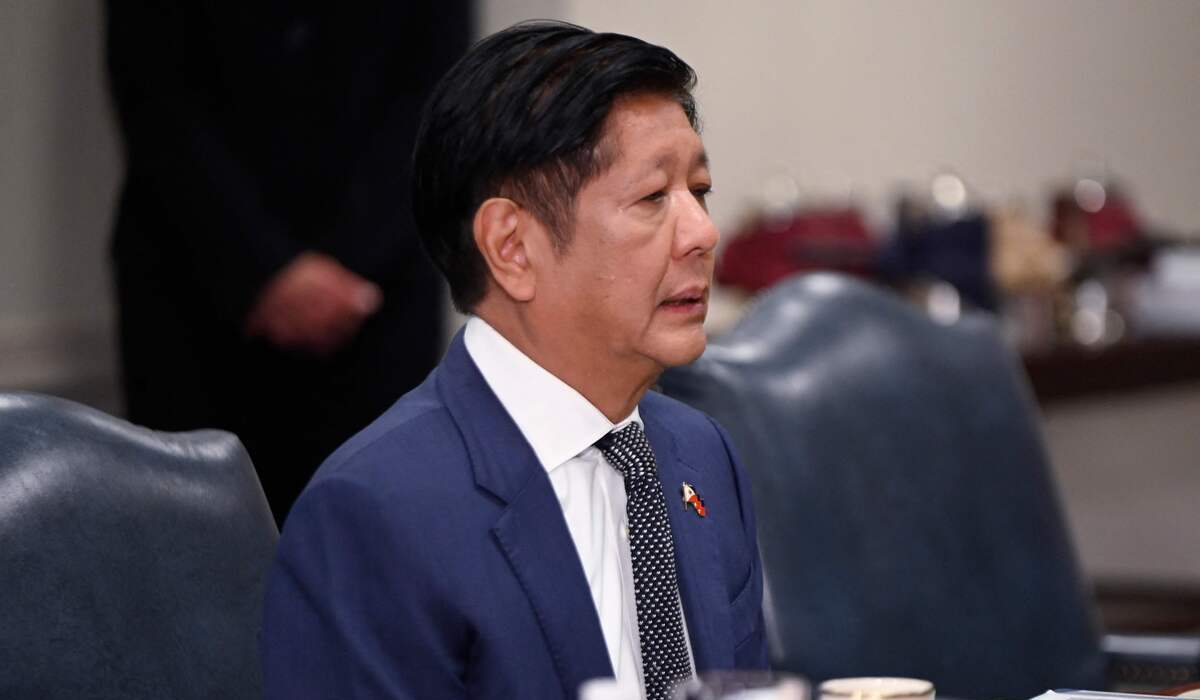
The Philippine government under President Ferdinand Marcos Jr. has declared a national energy emergency status following serious threats to domestic fuel supplies. The policy was enacted through an executive order to safeguard energy resilience amid disruptions to the global supply chain in the Strait of Hormuz.
The Middle East conflict involving the United States, Israel, and Iran has triggered the closure of the Strait of Hormuz, a vital route for world oil distribution. This situation has shaken the global energy market, driving price surges and supply shortages.
“National energy emergency status is hereby declared in connection with the ongoing conflict in the Middle East, as well as the significant danger threatening the availability and stability of the country’s energy supply,” Marcos stated, quoted from BBC.
He emphasised that the declaration allows the government to take coordinated steps to mitigate economic impacts. A special committee has also been formed to ensure the smooth distribution of essential commodities such as fuel, food, and medicines.
This emergency status is planned to last for one year, unless decided earlier to be lifted or extended.
The measure also responds to pressure from parliament urging the government to recognise the emergency condition due to surging energy prices burdening the public. On Tuesday (24/3), petrol and diesel prices were reported to have more than doubled compared to before the conflict erupted in February.
The Philippines’ high dependence on energy imports exacerbates the situation. Around 98 percent of the country’s crude oil needs come from the Gulf region, so disruptions in the Strait of Hormuz directly impact sectors from transportation to the prices of staple goods like rice.
The government has previously rolled out several conservation measures, including subsidies for public transport drivers, reductions in ferry services, and the implementation of a four-day workweek for civil servants.
Energy Minister Sharon Garin stated that the national fuel reserves are currently sufficient for about 45 days. As an emergency step, the government will increase the use of coal-fired steam power plants to curb the impact of expensive liquefied natural gas imports.
This crisis also underscores the vulnerability of the Asian region to disruptions in the Strait of Hormuz. Last year, around 90 percent of the oil and gas flow through that route was destined for Asian countries, making it a crucial point in regional energy stability.
The Philippine government has officially implemented a four-day workweek policy for government employees starting next Monday to curb the economic impacts from the US-Israel vs Iran war.