
Impact of Iran War: Philippines Declares National Energy Emergency
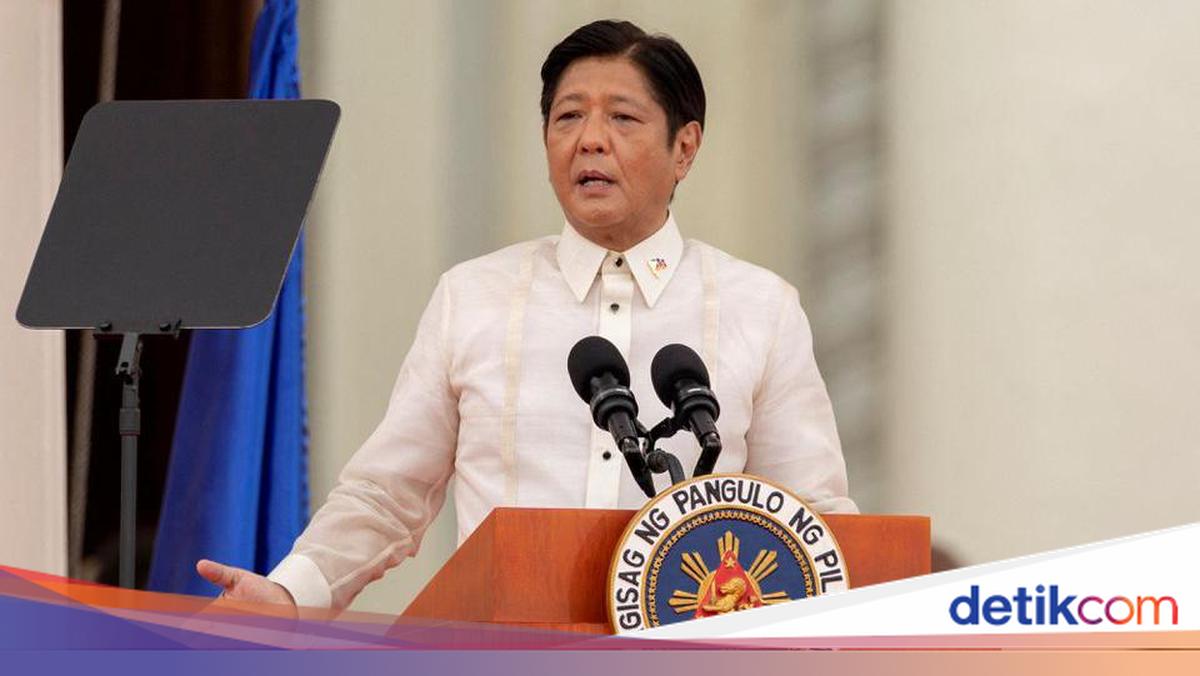
Philippine President Ferdinand Marcos Jr has announced a national energy emergency status. This declaration is a consequence of the ongoing war between the United States (US) and Israel against Iran.
According to detikFinance, the declaration was established through Executive Order No. 110, signed on Tuesday (24/3). The national energy emergency considers the Philippines’ position as a country highly dependent on oil imports.
Additionally, the Philippine Government has formed a committee to ensure the movement, supply, distribution, and availability of fuel, food, medicines, agricultural products, and other essential goods.
“The declaration of a national energy emergency will enable the government to implement responsive and coordinated measures based on existing laws to address risks posed by disruptions in global energy supplies and the domestic economy,” Marcos said, quoted from Reuters on Wednesday (25/3/2026).
Marcos has also instructed the Ministry of Finance to coordinate with the Philippine central bank to closely monitor the impact of the Middle East conflict on the Philippine peso, including remittances and the risk of peso depreciation.
The declaration will last for one year. As a result, the Philippine government has the authority to purchase more fuel and petroleum products to ensure timely and sufficient supplies. If necessary, payments will be made partially in advance from the contract amount.
Philippine Energy Minister Sharon Garin stated that the country has fuel reserves for about 45 days based on current consumption levels. Her side is endeavouring to purchase 1 million barrels of oil from countries within and outside Southeast Asia to boost stocks, although delays are possible.
On the other hand, senators have criticised the Philippine government for a perceived lack of response and integrated coordination regarding the surge in oil prices. Senators assess that this could trigger inflation to unprecedented levels in recent years and weaken economic growth.
Meanwhile, transportation workers in the Philippines are planning a two-day strike starting Thursday (26/3). They are protesting the rise in fuel prices and citing the Marcos administration’s failure.
Myanmar Tightens Fuel Purchases
The escalation of conflict in the Middle East has also triggered concerns about fuel shortages in Myanmar. The Myanmar military government has tightened fuel rationing by implementing a barcode and QR code system to determine the amount of purchases per consumer.
These restrictions will apply nationwide starting next week. The public is only allowed to buy fuel one to two times per week depending on the vehicle’s engine capacity.
The Myanmar Ministry of Energy had previously restricted the use of private vehicles to save fuel. Jet fuel shortages have also impacted the aviation sector, leading several airlines to temporarily suspend domestic routes.
For long-distance drivers, the government allows fuel purchases outside the city by showing previous transaction proof. The surge in fuel prices and speculation of shortages have caused long queues at petrol stations in various cities.
The junta government has also instructed civil servants to work from home every Wednesday starting 25 March as part of energy-saving efforts. Meanwhile, the Myanmar Rice Federation has asked farmers and rice mills to save fuel usage and begin utilising solar energy.
The Myanmar Ministry of Energy states that the country has fuel reserves for about 50 days, while continuing to seek additional imports through alternative routes. The Myanmar central bank has also released US$96 million in foreign exchange to oil companies at a lower rate this month to facilitate fuel imports from abroad.