
Impact of Iran-US-Israel Conflict: Bank Indonesia Revises Down Global Economic Growth Projection to 3.1 Per Cent
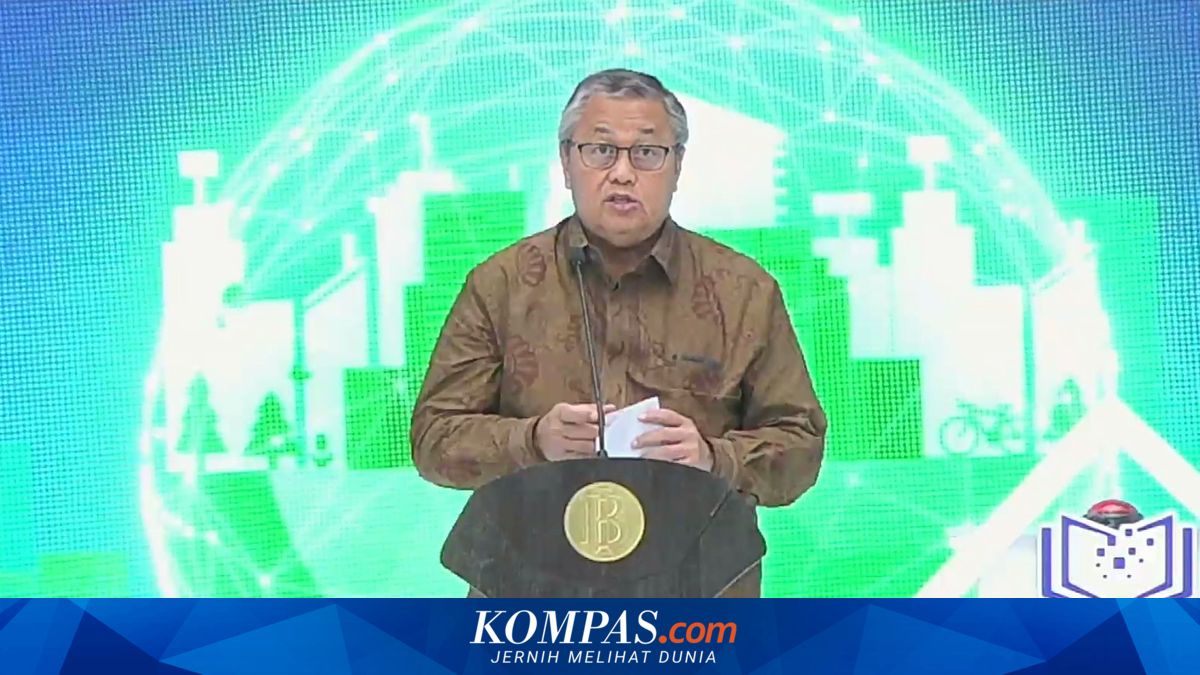
Jakarta — Bank Indonesia (BI) has revised down its global economic growth projection for 2026 from 3.2 per cent to 3.1 per cent amid heightened global uncertainty resulting from the Middle East conflict.
Bank Indonesia Governor Perry Warjiyo stated that the slowdown in global economic growth persists despite the United States government having reduced reciprocal tariffs. This is because geopolitical conflicts in Iran are driving increases in global oil prices and disrupting international trade supply chains.
Global financial markets have also deteriorated, with US dollar strengthening, rising US Treasury yields, and capital outflows from emerging markets. Warjiyo further explained that these conditions have increased global inflation pressure from 3.8 per cent to 4.1 per cent.
This has narrowed the scope for global monetary policy easing, including the possibility of further delays in reductions to the US Federal Funds Rate (FFR). Additionally, the increase in US Treasury yields has been influenced by the widening of the US fiscal deficit, including increased budgetary allocations for war financing.
These conditions have also driven an increase in global risk premium and a shift in capital flows towards safe haven assets, particularly towards US financial markets. Notably, the US Dollar Index (DXY) against major currencies has strengthened.
“The deterioration in the global economy and financial markets due to the Middle East conflict is increasingly pressuring emerging market currencies and making economic management more difficult,” said Warjiyo.
Meanwhile, Bank Indonesia has maintained its projection for domestic economic growth in the range of 4.9 to 5.7 per cent. The government continues to preserve the confidence of economic actors, both households and the business sector, to sustain household consumption and investment.
This is being undertaken through various government programmes that have a substantial impact on driving economic growth and creating employment whilst maintaining fiscal resilience. “Bank Indonesia will continue to strengthen its policy mix through monetary policy, macroprudential measures, and payment systems that work in close synergy with government policy to maintain stability whilst continuing to support economic growth,” Warjiyo said.