
Impact of Gadgets on Toddlers: Risks of Speech Delay and Socialisation Disorders
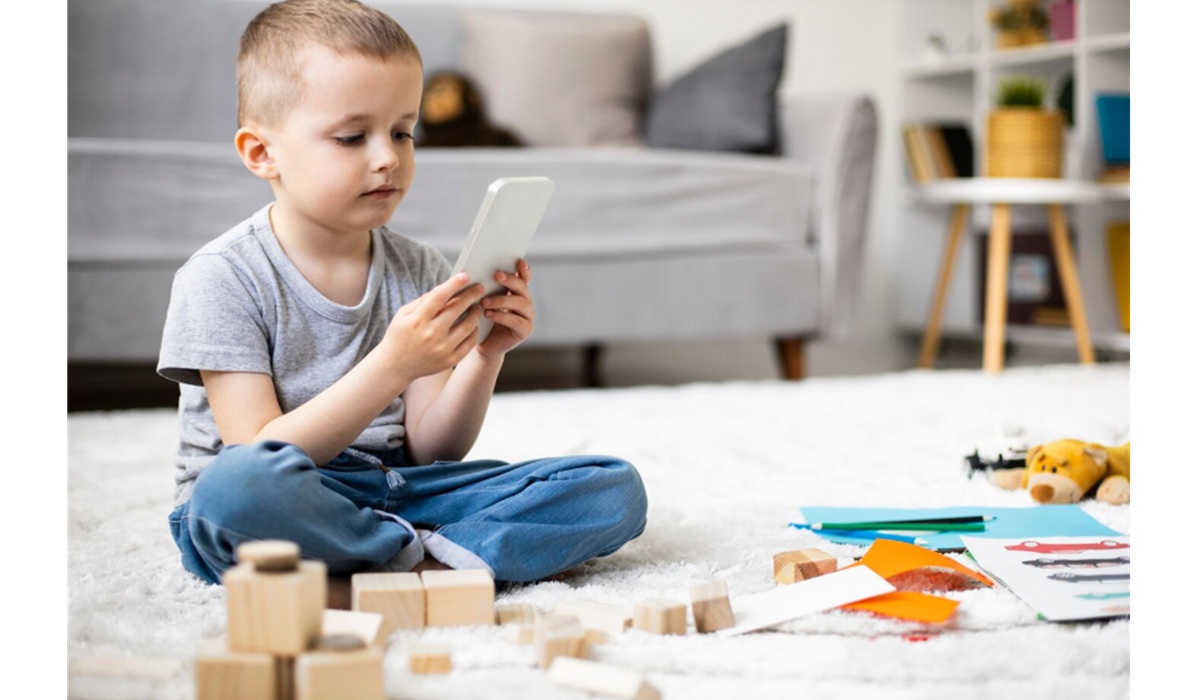
Excessive exposure to gadgets at an early age has serious impacts on child development. Professor from the Department of Child Health at the Faculty of Medicine, University of Indonesia (FKUI), Prof. Dr. dr. Rini Sekartini, Sp.A, Subsp.T.K.P.S(K), revealed that uncontrolled gadget use can impede toddlers’ speaking and socialisation abilities.
In her clinical practice, Prof. Rini often encounters cases of children experiencing developmental challenges due to gadgets.
“What often happens is speech delays and difficulties in socialising with peers,” she stated, quoted on Wednesday (1/4).
According to Prof. Rini, the toddler phase is a crucial period for language and social interaction development. During this time, children greatly need stimulation through intensive two-way communication with parents and their surroundings.
Gadget use, however, disrupts this stimulation need because it is one-directional. Children tend to become passive imitators without understanding the meaning behind the words they hear.
“There is no two-way stimulation with gadget use. Children only repeat what they hear, the sounds or words,” Prof. Rini explained.
She added that if this condition is left unchecked in the long term, the child’s learning abilities may also be affected.
Addressing these risks, the Indonesian Paediatric Society (IDAI) has expressed support for Government Regulation Number 17 of 2025 on the Governance of Electronic Systems in Child Protection, known as PP Tunas.
This regulation aims to protect children under 16 years old from high-risk digital platforms. Based on the rules that will be implemented gradually starting 28 March 2026, accounts belonging to children under 16 years old on platforms such as YouTube, TikTok, Facebook, Instagram, X, and Roblox must be deactivated.
The government’s step is expected to minimise the negative impacts of exposure to digital content that is not suitable for children’s developmental stages.