
Impact-Based Work From Home Design
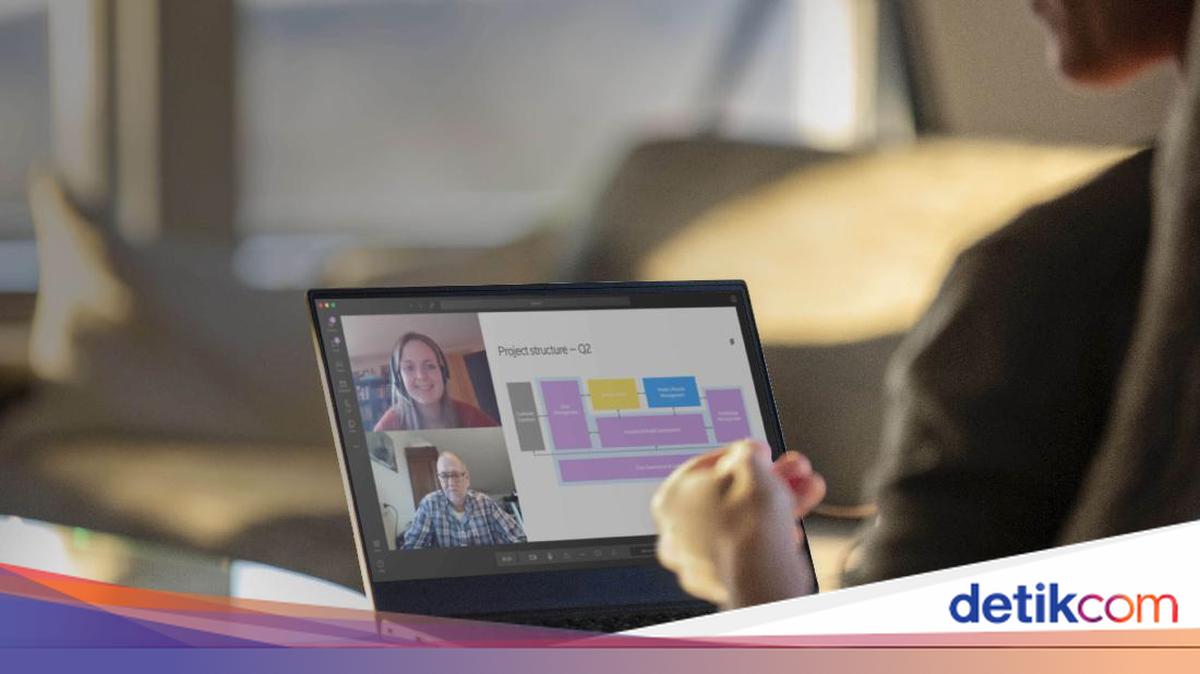
The government is preparing a Work From Home (WFH) policy to promote efficiency in the use of fuel oil (BBM) consumption as a response to the escalation in the Middle East, which is impacting global oil prices and supply. This WFH policy will be implemented specifically for Civil Servants (ASN) and workers in the private sector.
This WFH policy is certainly different from the WFH policy during the Covid-19 pandemic in 2020-2021. At that time, WFH was implemented to break the chain of Covid-19 transmission through social distancing policies that in parallel reduced BBM consumption in society.
The implementation of the WFH policy this time has different challenges. Because, the current WFH policy is not accompanied by social distancing policies like during the pandemic. The WFH policy stands alone with the main objective of reducing BBM consumption. The point that becomes a challenge in formulating this policy is to ensure the main target can be achieved optimally.
Precision Policy
The formulation of this WFH policy must be calculated precisely by the government so that the main objective of WFH can be achieved. Several aspects must form the basis in formulating the policy. The aspects in question are matters of regions, number of days, and choice of days for WFH implementation.
The implementation of WFH will certainly not be applied uniformly nationwide. The first aspect of determining WFH must be based on the volume of BBM consumption in that region. This indicator is important to underline so that the goal and target of fuel savings are truly achieved.
On paper, regions with large populations guarantee high BBM usage as well. Areas like Jakarta, Bogor, Depok, Tangerang, and Bekasi (Jabodetabek) will have a significant impact if WFH is applied to ASN and private workers. Similarly, other major cities such as Bandung, Semarang, Yogyakarta, Surabaya, Denpasar, Medan, Palembang, Makassar, and Banjarmasin, including industrial cities like Karawang, Cilegon, and Balikpapan.
The second aspect concerns the number of days for WFH implementation. BBM consumption volume will be impacted by the number of WFH days. People’s mobility correlates with BBM consumption. The more days WFH is implemented, the greater the potential for reducing BBM consumption optimally. To date, the government plans to set 1 day of WFH per week. However, it should be noted that WFH implementation must consider economic mobility in each region. Learning from the WFH experience during Covid-19, the policy simultaneously impacted a decline in economic activity in society. Although it can be understood, the WFH policy during the pandemic was accompanied by social distancing policies that significantly affected people’s economic movement.
The third aspect is the choice of WFH day. In determining WFH implementation, the choice of day determines the effectiveness of the WFH policy. For instance, recently there has been a suggestion to implement WFH on Fridays every week. This plan certainly has the potential not to meet the WFH objective of reducing BBM consumption. Implementing WFH on Friday could shift into a long weekend, as it is close to the weekend. This condition must be read carefully by the government in determining the WFH implementation day.
Therefore, choosing WFH in the middle of the week, specifically Wednesday every week, is considered far more effective than on Friday. At least, the target of reducing BBM consumption can be achieved through this WFH policy.
The choice of WFH day must be designed as effectively as possible with considerations of fuel consumption savings and the effectiveness of public services, especially for ASN. Several such aspects must form the basis in formulating the WFH policy so that the intent and purpose of WFH are achieved as a response to global escalations, particularly those occurring in the Middle East.
Optimising Momentum
The planned WFH policy as a response to the escalation in the Middle East must be used as momentum to strengthen several things. Such as digital transformation in bureaucracy, strengthening public transportation, and controlling air pollution.
Digital transformation in bureaucratic governance in Indonesia becomes an ideal choice amid current challenges. In many aspects, digitalisation of bureaucracy in Indonesia has seen significant progress. However, it should be noted that bureaucratic digitalisation is not yet integrated into one large control panel (dashboard) across ministries/institutions (K/L) as the basis for public service governance by the bureaucracy. Digitalisation systems are scattered across many institutions/ministries, resulting in 27,000 digital-based applications created by ministries/institutions, including regional governments across Indonesia.
This condition, rather than saving the budget, actually leads to budget waste, showing bureaucratic inefficiency. Whereas, the important point of digitalisation is none other than efficiency, transparency, and ease of public services. The plan to establish Government Technology (GovTech) or INA Digital as a SuperApp released in 2024 should be realised quickly.
Another momentum that must be used as a trigger for the government is improving the governance of good public transportation. Good public transportation governance can be the most effective way for BBM consumption efficiency. ASN no longer use private transportation for activities from home to work. Currently, the use of public transportation by ASN seems merely a formality, outlined in regional government work programmes.
In addition, the WFH policy can be used as momentum for controlling air pollution, especially in big cities. WFH policy becomes the right way to reduce unhealthy air for the public. Health threats, especially respiratory issues, endanger residents who are active in big cities.
Various such momentum must be orchestrated effectively so that they can be realised optimally in their implementation. We often get momentum, but in reality