
IMO Watch's Statement on the Use of Foreign-Flagged Vessels
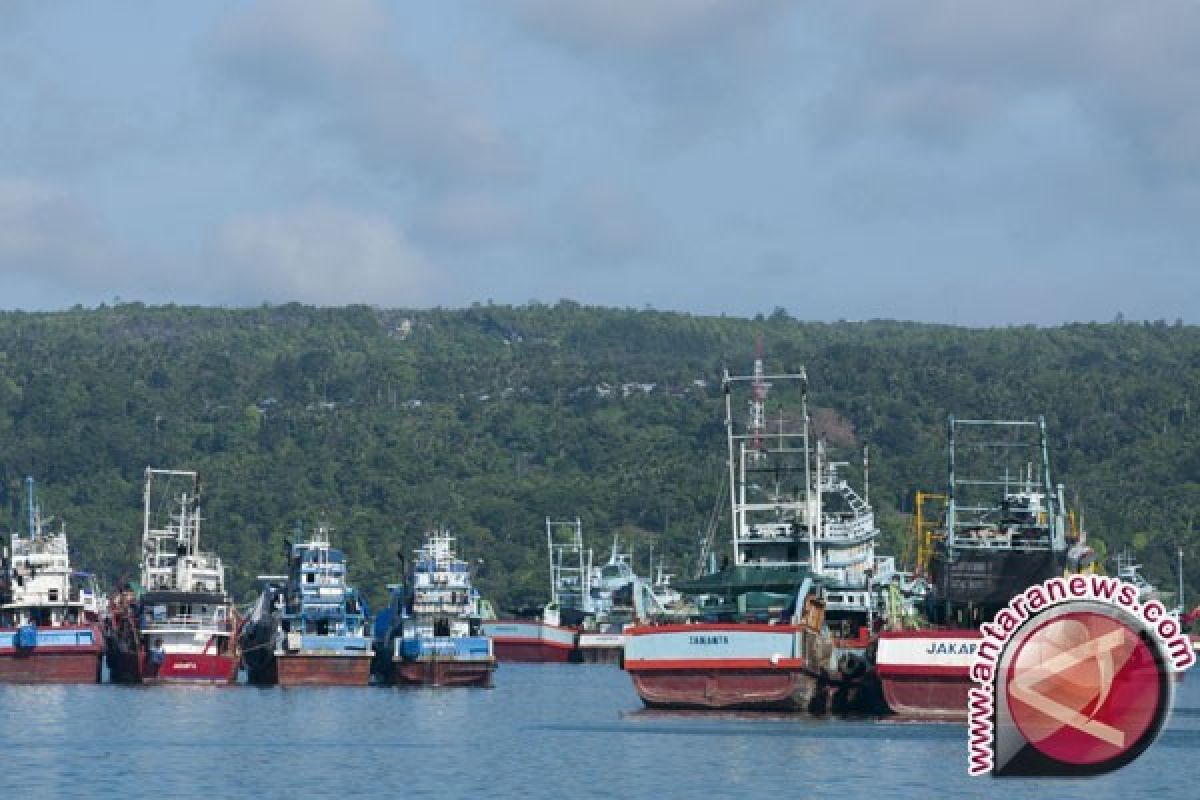
Jakarta (ANTARA) - The Indonesia Maritime And Ocean (IMO) Watch has recommended that the government stop issuing permits for the use of foreign-flagged vessels after several incidents of ships sinking and leaving wrecks in Indonesian waters.
IMO Watch General Chairman Capt. Anthon Sihombing stated that national shipping regulations stipulate that Indonesian-flagged special work vessels must be prioritised if available.
“Foreign-flagged vessels may only be used if similar Indonesian-flagged vessels are not available,” Anthon said in a written statement in Jakarta on Tuesday.
In terms of regulations, he continued, both Law No. 17 of 2008 on Shipping and Minister of Transportation Regulation No. PM 2 of 2021 emphasise that all shipping activities in Indonesian waters must be carried out by Indonesian-flagged vessels and crewed by Indonesian citizens.
According to him, the purposes of these rules include protecting the national maritime industry, strengthening national maritime industry resilience, and preventing dependence on foreign vessels as well as weakening national legal sovereignty.
To that end, he also called on Commission V of the House of Representatives (DPR) RI to monitor and prohibit the use of foreign vessels.
“We must uphold the dignity of our maritime sector in line with our shared aspiration to become the world’s maritime axis,” he said.
Anthon cited as an example one wreck that has not yet been removed in Indonesian waters, namely the MV Kuala Mas in the waters of Kupang, East Nusa Tenggara.
He opined that if the shipwreck is not handled promptly, it could threaten navigational safety (hazard to navigation), potentially causing further accidents, and disrupt the smooth flow of national shipping lanes.
Owner’s Responsibility
He stated that under the framework of national shipping law, shipwrecks that endanger navigational safety at certain depths or positions must be removed by the vessel owner, in accordance with the principle of owner’s liability that applies universally in international maritime law.
“A number of advanced countries even adhere to the principle of ‘remove wrecks promptly to maintain navigational safety’, or delays in removing shipwrecks directly increase the risk of repeated accidents,” Anthon added.
Regarding the MV Kuala Mas in NTT waters, he recommended that the Ministry of Transportation immediately intervene and conduct a national audit of all active shipwrecks in Indonesian waters.
In addition, Anthon assessed that there is a need to strengthen regulations prioritising Indonesian-flagged vessels and standardising the tender process for removing shipwrecks.
With the right oversight measures, he is optimistic that Indonesia can strengthen its position as a sovereign maritime nation capable of protecting national interests while ensuring navigational safety throughout its territorial waters.