
Immigration Office Transforms Waiting Room Into Gallery, Showcasing Inmate-Crafted Products
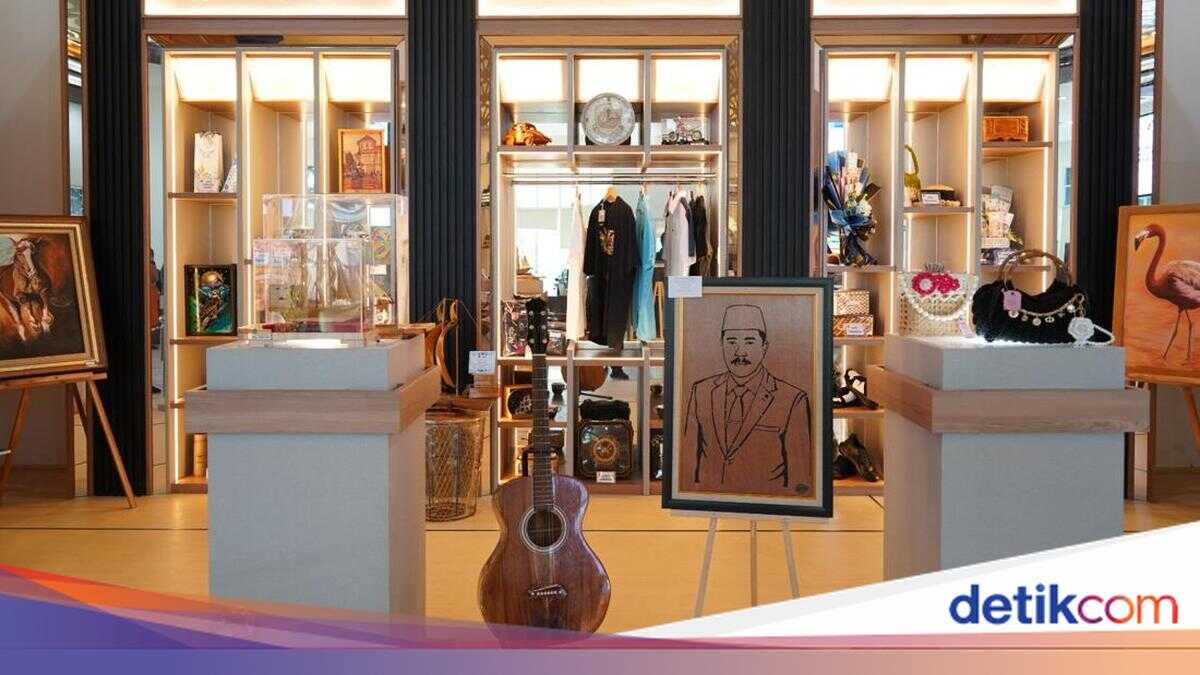
Bogor’s Class I Non-TPI Immigration Office in West Java has transformed its service waiting room into a gallery. Inmate-made artworks adorn every corner of the space.
Turning the immigration service waiting room into a showroom is described as a step by the Ministry of Immigration and Corrections (Imipas) to promote the marketing of products. This was stated by Minister Agus Andrianto, who hopes that products made by inmates will gain greater recognition and reach their markets.
On Wednesday, 4 March 2026, Minister Agus inspected the services at Bogor Immigration Office and officially inaugurated the Inmates’ Gallery. He emphasised that the Balai Latihan Kerja (BLK) — Work Training Centres in prisons and detention facilities — are facilities for fostering independence, to build work ethic, skills, and discipline among detainees. In line with Asta Cita, such independence-building activities in prisons can strengthen human resource development.
‘Inmates in all prisons and detention centres have BLKs — Balai Latihan Kerja. The products vary; the weakness is marketing,’ said the Minister of Imipas.
It is known that inmate-made products range from handicrafts, garments and T-shirt printing, food and beverage products, to paving blocks and concrete blocks. The Minister hopes the Directorate General of Immigration can collaborate with the Directorate General of Corrections to overcome barriers to the advancement of prison products.
‘Some are already exportable; others are still for local needs. I urge colleagues in all Immigration offices to prepare lounges that market products produced by Inmates, including those at airports,’ added Minister Agus.
He hopes that this strategically credible step will broaden market access, specifically targeting users of immigration services. Minister Agus stressed that generally the quality of inmate-made products meets market standards.
On that occasion, he also spoke about strengthening BLKs and marketing these products as part of an offender rehabilitation strategy grounded in productive enterprise. ‘Hopefully this will keep developing so they have the opportunity to foster a work ethic, and when they return to the community they are not lazy and ready to work any job,’ said Minister Agus.
‘Now they just want a reward; they will work. Especially when they are working outside later, adjusted to the Regional Minimum Wage (UMR). They will surely be more diligent,’ Minister Agus hoped.