
IMIP Investment Reaches IDR 696.9 Trillion, Successfully Absorbs Nearly 90,000 Workers
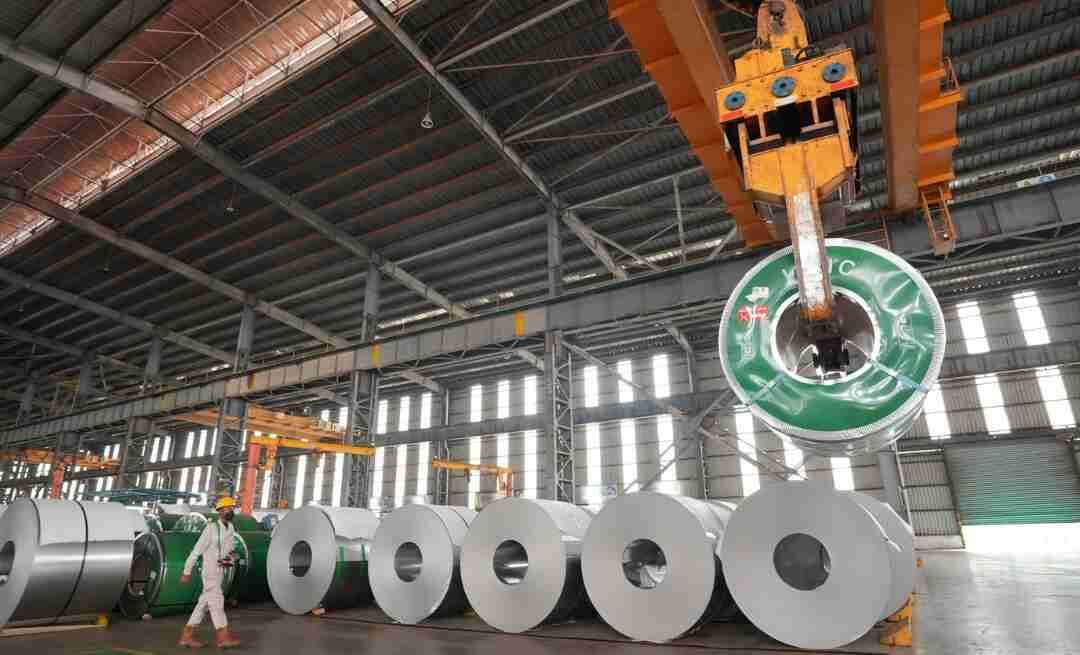
MOROWALI, Kabar Selebes – PT Indonesia Morowali Industrial Park (IMIP) has once again proven itself as a magnet for global investment and a driver of the national economy. By the end of 2025, the total investment in this integrated industrial park reached a fantastic USD 41.483 billion, or IDR 696.91 trillion (assuming an exchange rate of IDR 16,800).
This figure shows a significant increase compared to 2022, which recorded USD 29.6 billion. This success reinforces the confidence of international investors in the nickel downstreaming ecosystem built in Central Sulawesi.
Deputy Director of Operations at PT IMIP, Yulius Susanto, affirmed that this consistent growth in capital has a direct impact on strengthening the real economy. Currently, there are 52 companies operating in the area, ranging from nickel processing, stainless steel production, to raw materials for electric vehicle (EV) batteries.
“Investment in the IMIP area continues to increase consistently. This growth reflects global confidence in the industrial ecosystem that we are building in Morowali,” said Yulius Susanto, Wednesday (February 25, 2026).
Indonesia now holds a strategic position in the global supply chain for the energy transition. Through IMIP, the production of Mixed Hydroxide Precipitate (MHP) and nickel sulfate is a key element in supporting the global battery industry and the global decarbonization commitment.
The massive investment in IMIP has a significant impact on the employment sector. As of January 2026, the number of Indonesian workers in the IMIP area is recorded at 89,849 people.
Interestingly, the majority of the workforce is local. Data from the Human Resources Department of PT IMIP shows that as many as 82,637 employees, or about 92 percent, come from the island of Sulawesi.
“Workers from Central Sulawesi dominate with a total of 26,935 people, of which 14,613 workers are local residents of Morowali,” added Yulius. The remaining, about 8 percent or 7,212 workers, come from outside Sulawesi, including Java and other regions.
In addition to pursuing fiscal targets, IMIP is committed to implementing the Environmental, Social, and Governance (ESG) principles to ensure sustainable operations. The focus going forward is on strengthening human resources through vocational training and competency certification.
“We are targeting the strengthening of local human resources through partnerships with educational institutions. This step is important to ensure that industrial growth provides positive socio-economic value for the surrounding community,” concluded Yulius.
With integration from upstream to downstream, IMIP not only strengthens Indonesia’s competitiveness in the global market, but also serves as concrete evidence of the success of the government’s industrial downstreaming program. (*)