
IMF Warns of War's Impact: Inflation Rises, Poorest Countries Hit Hardest
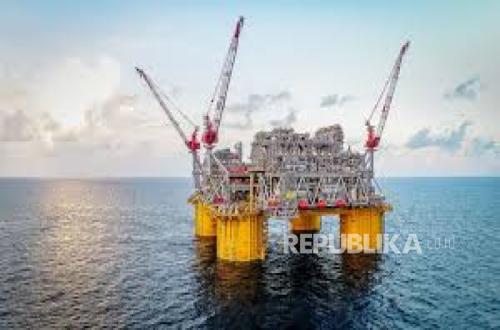
REPUBLIKA.CO.ID, WASHINGTON — The war in the Middle East will cause higher inflation and slow global economic growth, the head of the International Monetary Fund (IMF) told Reuters ahead of the agency’s release of its world economic projections next week. The conflict has triggered the worst disruptions to global energy supplies, with millions of barrels of oil production halted due to Iran’s effective closure of the Strait of Hormuz, a vital route for shipping one-fifth of the world’s oil and gas.
Even if the conflict ends soon, the IMF will still lower its economic growth projections and raise its inflation forecasts, said Kristalina Georgieva.
The war is expected to dominate discussions among finance officials from around the world at the IMF and World Bank spring meetings in Washington next week.
The IMF is scheduled to release various scenarios in its World Economic Outlook report on 14 April. In a blog post on 30 March, the IMF had signalled the possibility of downgrading projections, citing the asymmetric impacts of the war and tightening financial conditions. Without the war, the IMF had previously forecasted global growth of 3.3 per cent in 2026 and 3.2 per cent in 2027, in line with the post-pandemic economic recovery.
“Instead, all directions now point towards higher prices and slower growth,” said Georgieva, who will provide a preview of the meetings in a speech on Thursday. World Bank President Ajay Banga is also scheduled to share his views at an event on Tuesday.
“We are in a world of high uncertainty,” said Georgieva, referring to geopolitical tensions, technological developments, climate shocks, and demographic changes. “All of this means that after we recover from these shocks, we must remain vigilant against the next ones.”
The war has reduced global oil supplies by 13 per cent, with impacts rippling through oil and gas shipments as well as related supply chains such as helium and fertilisers.
Even if the conflict ends quickly and recovery occurs relatively swiftly, the revisions to growth downgrades and inflation increases will still happen on a relatively small scale. If the war drags on, the impacts on inflation and growth will be even greater.