
IMF Warns of Highly Dangerous War Impacts: Spilling Over into Kitchens and Fuel Stations
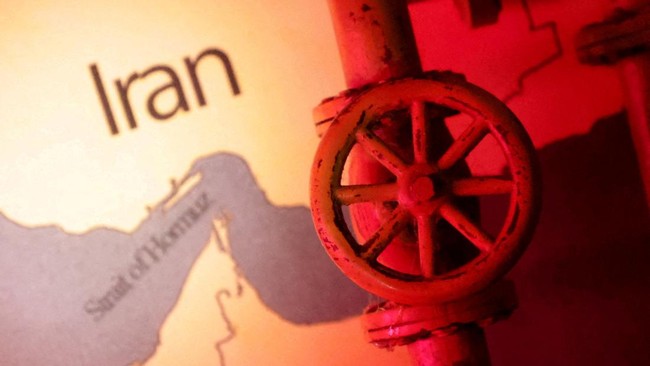
Geopolitical conflicts are once again reshaping the global economic landscape. When shipping routes are disrupted and energy production centres become vulnerable, the impacts quickly spread to the two most sensitive areas: household kitchens and fuel pumps.
The International Monetary Fund (IMF) in its latest World Economic Outlook April 2026 Chapter 1 report outlines these new pressures.
Energy prices rise first, followed by food prices driven by higher fertiliser, logistics, and distribution costs.
Global commodity price assumptions show the energy index jumping from 84.8 in Q4-2025 to 95.8 in Q1-2026, then surging to 119.1 in Q2-2026.
This increase is the sharpest among commodity groups. Prices are then projected to remain high at 113.8 in Q3 and 109.4 in Q4-2026 before easing in 2027. Markets signal that supply pressures will persist in the near term.
Energy
In real markets, Brent crude oil is projected to average US$82.22 per barrel in 2026. This figure is 21.4% higher than previous projections due to production and transportation disruptions in the Middle East. In 2027, prices are expected to fall to US$75.97 per barrel. However, this downward path is fragile. In a downside scenario, prices could rebound to around US$100. If conflicts escalate, the 2026 average could rise to US$110 and US$125 in 2027.
The main issue lies in distribution. The Strait of Hormuz remains a critical global energy chokepoint. When shipping traffic is disrupted, insurance costs rise, deliveries are delayed, and risk premiums directly feed into oil and gas prices.
The pattern is old and repetitive: conflicts intensify, supplies falter, and inflation reignites.
Natural gas is even more sensitive. European gas prices at the TTF hub are expected to hover around US$7.5 per MMBtu until 2031. In the United States, Henry Hub prices are in the range of US$3.5 per MMBtu. If conflicts continue, gas prices in Europe and Asia could rise further, as the LNG market relies on sea shipments and limited alternative capacity.
Food
The next impact is felt in food. Expensive energy means expensive fertilisers. Most nitrogen fertilisers use natural gas as a feedstock. When gas prices rise, planting costs follow. Projection data shows the global food index rising from 93.3 in Q4-2025 to 99.2 in Q1-2026, then 103.6 in Q2-2026. This pressure persists throughout the year before stabilising in 2027.
Annually, global food prices are estimated to rise 6% in 2026. This is felt directly in many countries, as prices for wheat, corn, vegetable oils, and rice are heavily influenced by transport costs and agricultural input expenses. If ships take longer routes, fertilisers arrive late, or bad weather coincides, retail prices could move faster than global figures.
Developing countries are the most vulnerable. Many still rely on imports of energy and food. When both bills rise simultaneously, fiscal space narrows. The report estimates that low-income energy-importing countries risk losing 0.5 percentage points of cumulative growth in 2026-2027. In extreme conditions, price pressures could trigger social unrest.
There is another layer to the story: technology. A survey of US companies shows that AI adoption in agriculture remains low. Usage in the past six months is only 5.1%, far below the information sector’s 41.2%. As the world needs a productivity leap in food, the global agricultural sector has not fully embraced new efficiency tools.
Industrial metals and precious metals provide additional signals. The industrial metals index rises to 116.2 in Q1-2026 and stays elevated thereafter, indicating strong demand for infrastructure and energy transition. Meanwhile, precious metals soar to 192.5 and then 202.2 in mid-2026. Investors typically seek safe-haven assets when wars prolong and inflation directions become unclear.
It then spreads: the regional geopolitical risk index for the 2020s decade rises sharply in nearly all regions. Europe reaches 225.79, Asia-Pacific 219.04, and Middle East-Africa 189.15. The world is in a more tense decade than the previous two.
The conclusion is simple. Today’s wars rarely stop at the battlefield. They enter kitchens via food prices, fuel stations via energy, and then infiltrate economic growth via inflation.