
Illegal Parking Emergency Makes Jakarta Struggle to Escape Traffic Jam Trap
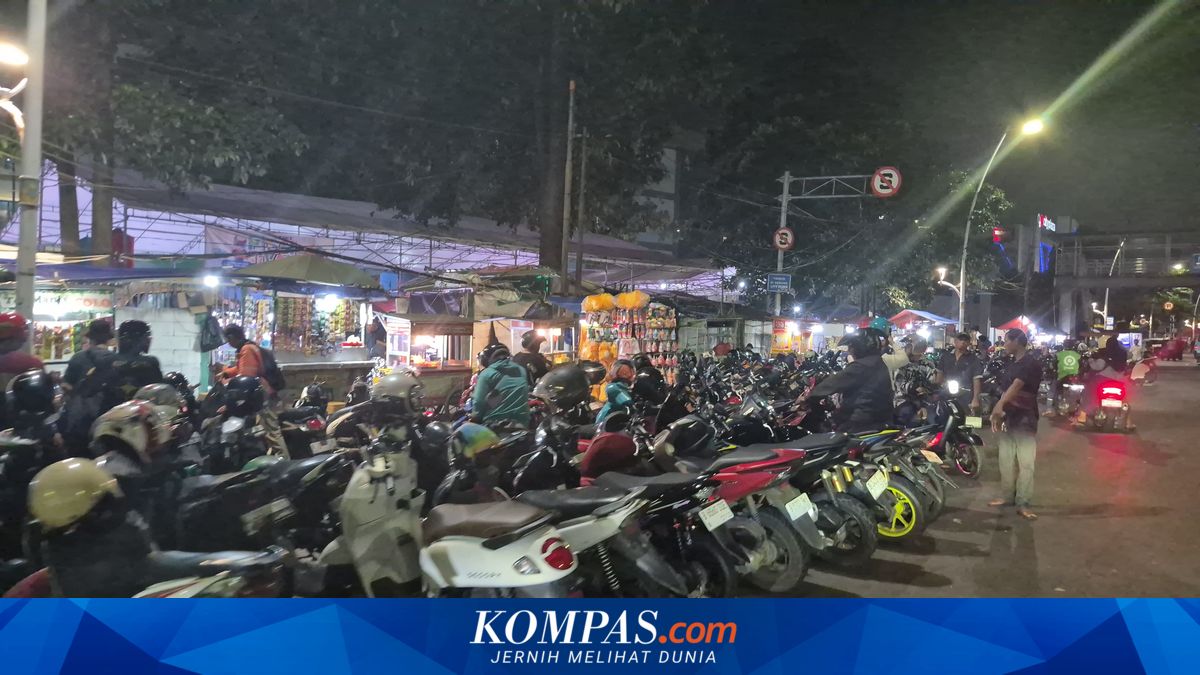
Illegal parking practices are easily found in almost every corner of Jakarta, from around luxury malls and office buildings to simple roadside eateries.
The rampant illegal parking in the capital has led to the illegal practice being described as being at an emergency level.
“The issue of illegal parking has reached an emergency stage when viewed from an urban planning perspective. This indicates serious problems in the management of parking and transportation in Jakarta,” stated urban planning expert from the University of Indonesia (UI), M Azis Muslim, when contacted by Kompas.com on Wednesday (13/5/2026).
The presence of illegal parking is seen not only as causing congestion at one point but also encouraging the public to continue relying on private vehicles.
“In urban planning theory, providing free or cheap parking actually becomes an incentive for the public to continue using private cars,” he added.
This is in stark contrast to the government’s goal of reducing congestion in Jakarta.
Azis said the real impact of illegal parking is the disruption to public transportation flows, such as Transjakarta, Jaklingko, and others.
Public transportation should be prioritised to ensure service certainty for passengers, and this should not be hindered by the proliferation of illegal parking.
The prevalence of illegal parking in Jakarta is also due to limited land, with many luxury malls, office buildings, and hotels lacking extensive parking areas, thus unable to accommodate visitors’ vehicles.
“The government is still considered lax in supervising commercial buildings. In fact, the DKI Regional Regulation (Perda) mandates the provision of one car parking space for every 100 square metres of commercial floor area,” he explained.
In addition to insufficient supervision of commercial areas, the illegal parking problem persists because an ecosystem has formed involving non-state actors and rogue officials.
This indicates a condition of state capture, where public functions are co-opted for the interests of certain groups who feel they have power.
As a result, the law becomes something that can be negotiated, and this undermines the sovereignty of existing public spaces.
To address this issue, Azis suggests that the government take several steps, as follows:
To eradicate illegal parking, the first step that must be taken is to restore the function of sidewalks and public facilities to their intended purposes, with no tolerance for violations.
Referring to Law Number 22 of 2009, it is clearly stated that sidewalks are the right of pedestrians.