
Illegal Cigarettes Grow 14%, Business Owners Increasingly Afraid
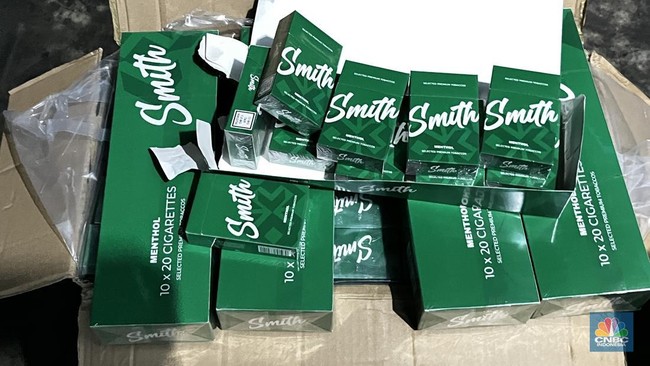
The national white cigarette industry is beginning to face new pressures after the government floated the idea of banning additional flavouring ingredients in tobacco products, including conventional cigarettes and e-cigarettes. Chairman of the Indonesian White Cigarette Manufacturers Association (Gaprindo) Benny Wahyudi assessed that the regulation could pose significant pressure on the tobacco industry if truly implemented. “Regarding the impact on the industry, careful studies are needed. However, if these additive provisions are enforced, it will hit the industry hard because the scope is very broad,” Benny told CNBC Indonesia on Thursday (7/5/2026). Amid these conditions, the threat of illegal cigarette circulation, which is seen as potentially increasing, looms larger. “Meanwhile, the illegal cigarette industry, which currently stands at 14%, will not care due to weak supervision,” he said. When asked about the possibility of a surge in illegal cigarette production if the regulation is implemented, Benny estimated that its share would rise, though he could not yet calculate the exact figure. “If this regulation is enforced, illegal cigarettes will definitely be higher. I don’t have the numbers yet,” Benny said. Through the new regulation, several ingredients commonly used in the cigarette industry are now included in the restriction list. “For example, cooling agents, including menthol, will be banned, as well as the use of sugar, which is commonly used especially in the kretek industry,” he stated. Gaprindo also questions the readiness of implementing the regulation in terms of supervision and laboratory testing. According to Benny, accredited laboratories capable of testing the additives as stipulated in the policy draft are not yet available. “This provision seems difficult to enforce because there are no accredited laboratories that can test those additives,” he said. In addition to flavour restrictions, the policy is accompanied by plans to tighten rules on nicotine and tar levels. Article 432 of Government Regulation Number 28 of 2024 mandates the Ministry of Health to regulate in more detail the prohibited additives in tobacco products. In the draft implementing regulation, several food-grade ingredients such as menthol, fruit extracts, sugar, and spices are included in the restriction list. This situation raises concerns among industry players because additives have long been an important part of the character of cigarette products, especially kretek. Deputy Minister of Industry Faisol Riza believes that policies on the tobacco industry cannot be decided unilaterally without considering their impact on the business sector and workforce. “I think we have conveyed to the relevant ministries that the tobacco industry is a rather specific industry that has been running for quite a long time, even possibly older than the age of our Republic. It also absorbs a very large workforce, so things that should not disrupt the production and distribution processes of tobacco products so far should not be regulated in such a way,” Faisol said in Subang, quoted on Thursday (7/5/2026).