
IHSG Weakens to 7,338 Today, Rupiah Approaches Rp17,000 Amid US-Iran Conflict
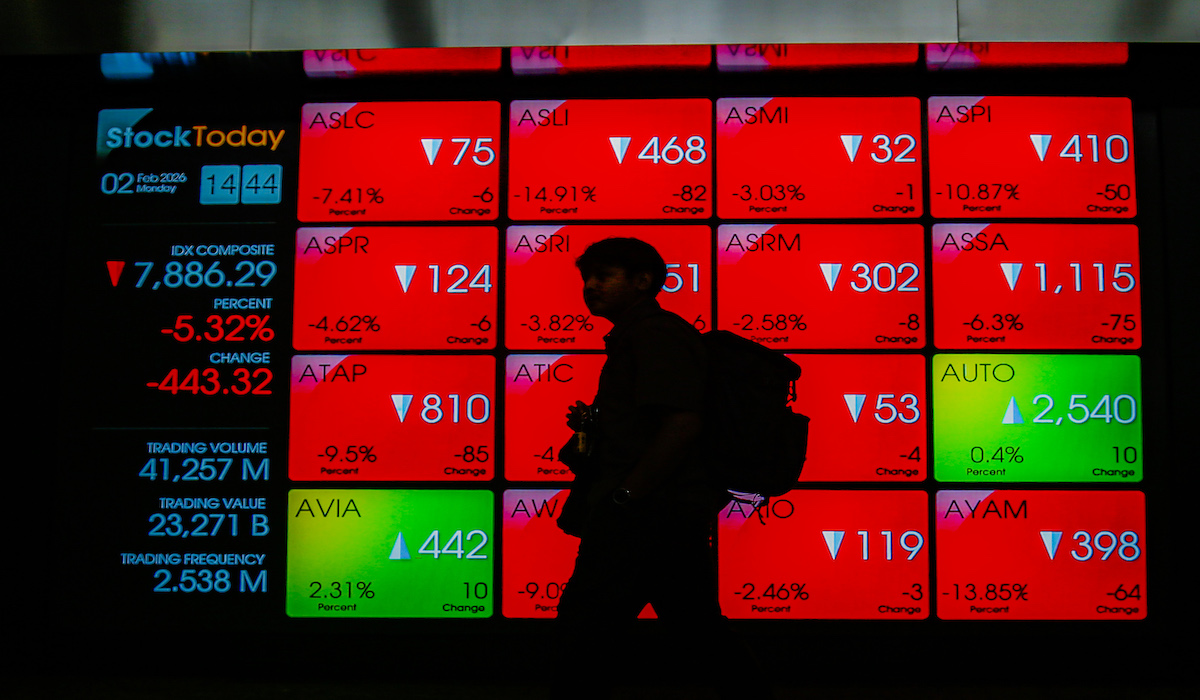
The Composite Index (IHSG) of the Indonesia Stock Exchange (BEI) on Friday (13 March) morning moved lower in line with market expectations that the US Federal Reserve will adopt a hawkish stance. This was driven by the risk of global energy inflation as a result of escalating tensions between the United States and Iran.
IHSG opened lower by 23.30 points or 0.32% to 7,338.82. Meanwhile, the group of 45 blue-chip stocks or the LQ45 index fell 2.74 points or 0.36% to 748.45. This pressure also spread to the Indonesian Rupiah exchange rate, which is now at the level of Rp16,918 per US dollar, approaching a new psychological level.
The International Energy Agency (IEA) said the conflict has the potential to become the largest energy supply disruption in history. Oil flows through the Strait of Hormuz have dropped drastically from 20 million barrels per day to nearly complete standstill. This condition has forced oil-producing nations in the Gulf to cut production by up to 10 million barrels per day.
Brent crude oil prices have now breached US$100.41 per barrel. Iran has even warned that world oil prices could reach US$200 per barrel if military escalation continues.
Liza Camelia Suryanata, Head of Research at Kiwoom Securities Indonesia, explained that IHSG would struggle to strengthen amid global turbulence and ahead of the extended Eid holidays.
“Investors tend to reduce their portfolio positions to avoid market volatility during the holiday period,” she said.
On the domestic front, fiscal policy is also drawing attention. The government has begun withdrawing a portion of Bank Indonesia’s surplus worth Rp16 trillion to state coffers based on Ministry of Finance Regulation No.115/2025 to help finance the state budget.
Although Finance Minister Purbaya Yudhi Sadewa assured that coordination would remain maintained, this move has triggered investor concerns about increasingly greater fiscal pressure.
Market participants are now awaiting the results of the FOMC meeting on 17-18 March to see the direction of the Federal Reserve’s next interest rate policy amid energy inflation threats.