
IHSG Volatile, These Stocks Soar Instead
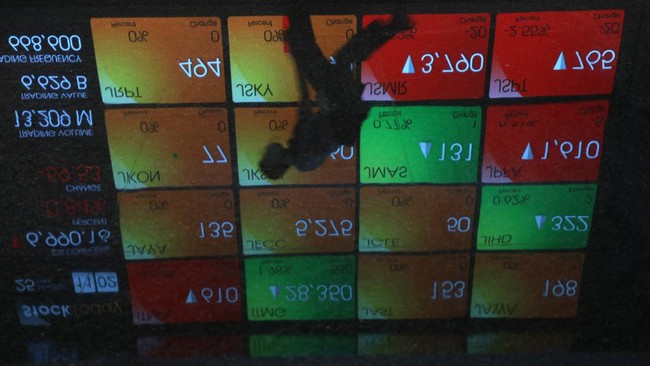
Jakarta, CNBC Indonesia — Volatility in the Jakarta Composite Index (IHSG) was very high this morning, Friday (19/6/2026). The IHSG initially rose 0.5% to 6,215.06 at the start of trading, but then underwent a correction of a similar percentage a few minutes later. As of 10:20 WIB, the IHSG was still holding above the 6,100 level. The IHSG’s volatility was overshadowed by MSCI sentiment. Although Indonesia’s status remains in the Emerging Market category, MSCI assessed the information flow of the domestic stock market with a negative status.
Meanwhile, a number of stocks managed to stay in the green zone amid the turmoil. Based on trading data, shares of PT Merdeka Gold Resources Tbk (EMAS) strengthened 8.1% to 675. Then, shares of PT Singaraja Putra Tbk (SINI) rose 4.74% or 475 points to 10,500, while shares of PT Pradiksi Gunatama Tbk (PGUN) surged 5.65% to 7,950.
Consumer sector stocks also helped support market movement. PT Gudang Garam Tbk (GGRM) rose 2.87% or 450 points to 16,150. Other stocks moving into the green included PT Cardig Aero Services Tbk (CASS), which recorded a 12.07% increase or 210 points to 1,950, while shares of PT Merdeka Copper Gold Tbk (MDKA) strengthened 6.99% or 200 points to 3,060. Additionally, PT Daaz Bara Lestari Tbk (DAAZ) surged 11.40% or 200 points to 1,955. Shares of PT Aesler Grup Internasional Tbk (RONY) even soared 16.67% or 180 points to 1,260.
For context, MSCI released its Global Market Accessibility Review early this morning. In the annual evaluation report, the accessibility of Indonesia’s equity market officially recorded a deterioration in the information flow criteria. Based on the summary rating table in the document, the rating for the Information Flow criteria for Indonesia was downgraded from a positive rating without major issues in 2025 to a negative rating indicating an urgent need for improvement in 2026. This accessibility downgrade was triggered by findings of structural problems related to a lack of clarity in share ownership structures in the domestic capital market.
Furthermore, the global evaluation also highlighted indications of coordinated trading behaviour on the Indonesian bourse, which is directly assessed as damaging the fair price formation process in the regular market. These practices, which limit the level of transparency, are seen as materially restricting the ability of international institutional investors to assess the real amount of shares circulating in the public (true free float). This condition also hinders foreign investors from being able to rely on objectively observed market prices in their portfolio construction and index replication processes.
Moreover, the evaluation report also noted that the criteria for Equal Rights to Foreign Investors remain hampered. This is because detailed information related to corporate actions and domestic stock market dynamics is not always readily available in English. Nevertheless, Indonesia’s operational framework in other aspects remains relatively stable, with a very good rating maintained for the criteria of custody infrastructure, registration, trading mechanisms, and the relaxation of foreign ownership limits. Although the trading infrastructure is systemically considered very adequate, the sharp focus on ownership transparency and price formation integrity will trigger a re-evaluation by various global index fund managers, potentially causing adjustment volatility pressure on foreign capital flow weights for large-capitalisation stocks throughout today’s trading session.
Despite the changes, the Indonesia Stock Exchange (BEI) has already made improvements in terms of information transparency provided to both domestic and foreign investors. The BEI has opened up share ownership data above 1%, released HSC data, and carried out various structural improvements on the exchange.